
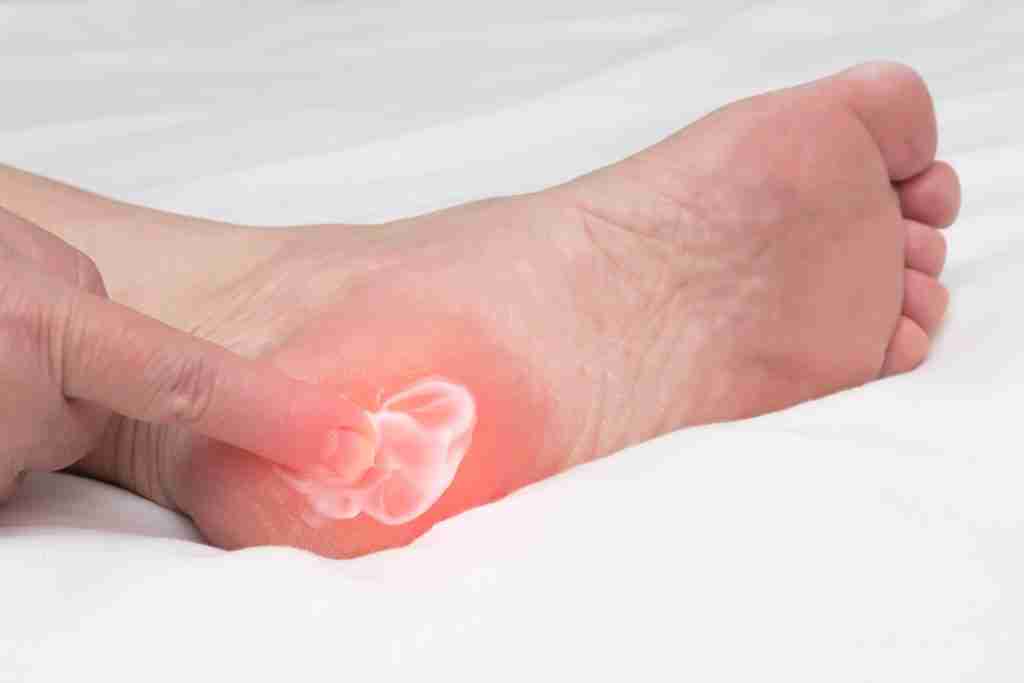
Plantar fasciitis is a common cause of heel discomfort that affects the thick band of tissue connecting the heel bone to the toes. This condition may result in pain or stiffness, particularly noticeable during the first steps in the morning or after periods of rest. Gentle mobility and strengthening approaches, along with supportive care, can help manage symptoms and support overall foot health.
What Is Plantar Fasciitis?
The plantar fascia is a strong ligament that runs along the bottom of the foot, supporting the arch and absorbing shock during activities like walking or running. Plantar fasciitis occurs when the plantar fascia becomes irritated and inflamed. The primary symptom is a sharp pain near the heel. The pain may subside with activity, but can return after extended periods of standing or upon standing up after sitting.
Several factors may contribute to the development of this condition. An increase in the intensity or duration of physical activities can place excessive stress on the plantar fascia. Occupations that require prolonged standing may heighten the risk of developing symptoms.
What Exercises Alleviate Pain?
Specific exercises and stretches are often recommended to improve flexibility and strength in the foot and lower leg. These movements are intended to be gentle and should be performed with care. If any movement causes a spike in pain, it is best to pause. Some exercises that may help with pain management include:
- Towel Calf Stretch: While seated with your leg extended straight, loop a towel around the ball of your foot. Gently pull the towel toward you and hold the stretch for 15–30 seconds. Perform 2–4 repetitions.
- Wall Calf Stretch: Stand facing a wall with one leg forward and bent, and the other leg straight behind you. Keeping your back heel on the floor, lean forward until you feel a stretch in your calf. Hold for 15–30 seconds and repeat 2–4 times.
- Toe Curls with Towel: Sit with your foot flat on a towel placed on the floor. Use your toes to scrunch the towel toward you.
- Marble Pickups: Place several marbles on the floor next to a cup. Use your toes to pick up each marble and place it in the cup. This movement also works to build strength in the small muscles of the foot.
A gradual progression is advisable when incorporating these exercises into a routine.
How Is It Treated?
When self-care measures do not provide sufficient relief, a clinician may suggest other treatment options. The use of supportive orthotics can help distribute pressure more evenly across the foot. For persistent cases that do not respond to these approaches, other interventions may be discussed. Extracorporeal shockwave therapy is a non-invasive procedure that uses sound waves directed at the area of pain. Surgical intervention is typically reserved as a last-line measure for severe, chronic cases that have not resolved with other treatments.
Seek Guidance From a Podiatrist
Managing heel pain from plantar fasciitis often involves a combination of stretching, strengthening, and supportive care. If your symptoms persist, worsen, or interfere with your daily activities, it is recommended to seek an evaluation from a podiatrist. A medical professional can provide an accurate diagnosis and develop an individualized treatment plan tailored to your specific condition and needs.
- What Is the Difference Between an Orthopedist and an Orthopedic Surgeon?
- What Does an Orthopedic Traumatologist Do? Complete Guide
- What Is the Pathology of the Skin? A Complete Guide
- What Is Dermatology Practical and Conceptual? Everything You Need to Know
- How Can I Find Dermatologos Cerca de Mi Ubicación? Complete Guide