
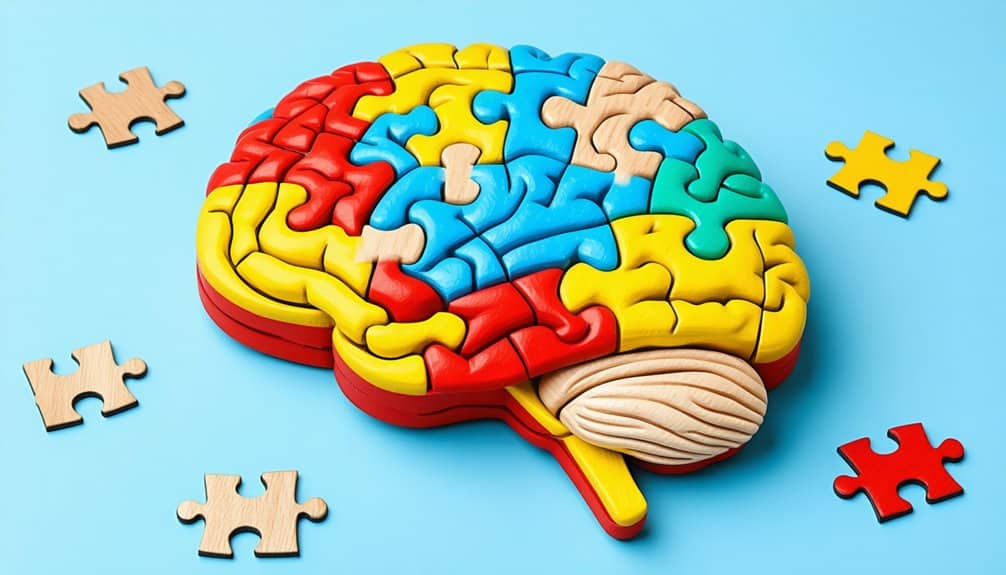
The brain is the command center of the human body, controlling thoughts, memory, movement, and emotion. An injury to this complex organ can disrupt a person’s life in profound ways. Brain injuries encompass a wide range of conditions resulting from various causes, each with its own set of potential effects on an individual’s physical, cognitive, and emotional well-being.
What Are Brain Injuries?
A brain injury is damage to the brain that impairs its normal function. Traumatic brain injuries are caused by an external force that strikes or penetrates the head. The severity can range from a mild injury, such as a concussion, to a severe, debilitating injury. Even mild TBIs temporarily affect brain cells, while more serious injuries may result in bleeding and other physical damage to the brain.
An acquired brain injury is damage that occurs after birth and is not related to a congenital or degenerative disease. This category includes injuries from non-traumatic events. This include strokes, anoxia or hypoxia, brain tumors, and infections like meningitis or encephalitis.
Both types of injuries can influence a person’s abilities. Cognition may be affected, leading to difficulties with memory, attention, problem-solving, and processing speed. A person’s mood and behavior could also change, sometimes resulting in increased irritability, depression, or anxiety. Physical effects can manifest as problems with balance, coordination, strength, and sensory perception.
What Are the Different Types?
The causes of brain injuries are as varied as their effects. External mechanical forces are a common source of traumatic brain injuries. Falls are a leading cause. Motor vehicle collisions frequently result in significant head trauma. Sports-related impacts and violent assaults may also lead to TBIs.
Internal medical causes lead to acquired brain injuries. A stroke occurs when blood supply to a part of the brain is interrupted or reduced, preventing brain tissue from getting oxygen and nutrients. Oxygen deprivation can also result from events like near-drowning, suffocation, or cardiac arrest. Infections that cause inflammation of the brain or its surrounding membranes can damage brain cells. Tumors can exert pressure on brain tissue or destroy it.
How Are They Treated?
The management of a brain injury is a complex process that depends on the type, severity, and location of the injury. Immediate care following a suspected brain injury often begins with an emergency response to stabilize the person and prevent further damage. Upon arrival at a medical facility, diagnostic tools help teams evaluate the extent of the injury. Neuropsychological assessments may also be used to gauge cognitive and behavioral functioning.
Rehabilitation is a central component of recovery for many individuals. A multidisciplinary team works together to create a comprehensive care plan. This team may include:
- Physical Therapists: Focus on restoring movement, balance, and mobility.
- Occupational Therapists: Help individuals regain skills for daily living, such as cooking and returning to work.
- Speech-language Pathologists: Address communication challenges, including speaking and understanding language.
- Neuropsychologists: Assist with cognitive and emotional adjustments after the injury.
Medications may be prescribed to manage specific symptoms, such as seizures, pain, or mood changes. Assistive technologies, from simple memory aids to advanced mobility devices, can help individuals compensate for lost function.
Confer With a Brain Specialist
Navigating the aftermath of a brain injury requires specialized knowledge and guidance. A brain specialist is equipped to provide a thorough evaluation of an individual’s condition. These professionals can interpret diagnostic findings, explain the potential impacts of the injury, and outline a personalized path forward.