
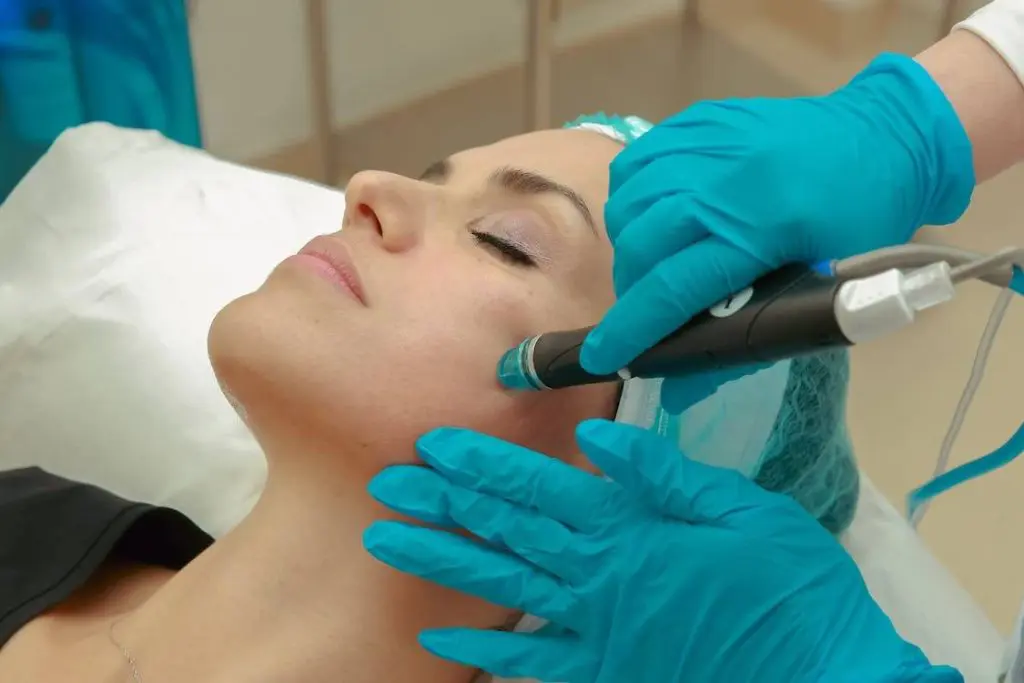
Peptide therapy involves short amino acid chains that serve as building blocks for proteins such as collagen. Clinicians administer these specific peptides to signal various cellular functions. Medical providers continue to explore how these signaling molecules interact with the body’s processes as people age. Here is more information about the role of peptide therapy for anti-aging treatments:
Reduced Signs of Aging
When the body produces less collagen, the skin’s structure may weaken over time. Certain peptides are utilized for their role in stimulating collagen synthesis, which may help improve skin firmness. Other peptide formulations are being used for their potential to reduce the appearance of fine lines and wrinkles.
Some peptides may support the skin’s natural repair mechanisms. These mechanisms manage damage from environmental factors, and they are integral to maintaining a youthful appearance. Peptides may be included in topical applications because researchers are evaluating their effect on skin remodeling.
Peptide therapy can be beneficial for anti-aging treatment in various ways, underscoring its diverse applications across multiple medical fields. It extends beyond just topical creams; injectable forms are also used. These applications may apply:
- Peptides may promote wound healing.
- Others are used for their anti-inflammatory properties.
- Types of peptides are utilized for their effects on pigmentation.
Improved Muscle Mass
Maintaining muscle mass may become more challenging with age, a process known as sarcopenia. One class of peptide therapy is helpful for its effects on muscle growth. These peptides work by stimulating the pituitary gland to release growth hormone.
The released growth hormone signals the liver to produce insulin-like substances, which play a part in muscle development. It may lead to increased muscle protein synthesis. This process could potentially offset the natural decline in muscle tissue that occurs during aging.
Reduced Body Fat
Some peptides are investigated for their influence on metabolism and body composition. Peptides in this category may aid in the breakdown of fats, a process known as lipolysis. One is a modified fragment of human growth hormone, and it is studied for its fat-reducing properties without affecting blood sugar. This peptide targets fat cells directly, and it may trigger the release of stored fat. The body then uses this released fat for energy.
Increased Energy
Feelings of fatigue and low energy are common complaints associated with aging. While many factors contribute to energy levels, some peptides are explored for their potential to enhance cellular function. Certain peptides may support mitochondrial health, and healthy mitochondria are the powerhouses of our cells.
By potentially improving mitochondrial efficiency, these compounds could help boost overall energy and vitality. This area of care is still developing, but it offers a look into how cellular mechanisms affect daily energy. People continue to use specific peptide protocols that might influence stamina and reduce feelings of lethargy.
Schedule Peptide Therapy Today
Peptide therapy represents an evolving area of anti-aging medicine. Its applications are varied, and research continues to uncover how these compounds interact with the body’s systems. A consultation with a qualified practitioner can provide personalized information based on your health profile and goals. If you are interested in learning more about how peptide therapy might fit into your wellness plan, book a consultation with a specialist.
- What Is the Difference Between an Orthopedist and an Orthopedic Surgeon?
- What Does an Orthopedic Traumatologist Do? Complete Guide
- What Is the Pathology of the Skin? A Complete Guide
- What Is Dermatology Practical and Conceptual? Everything You Need to Know
- How Can I Find Dermatologos Cerca de Mi Ubicación? Complete Guide