
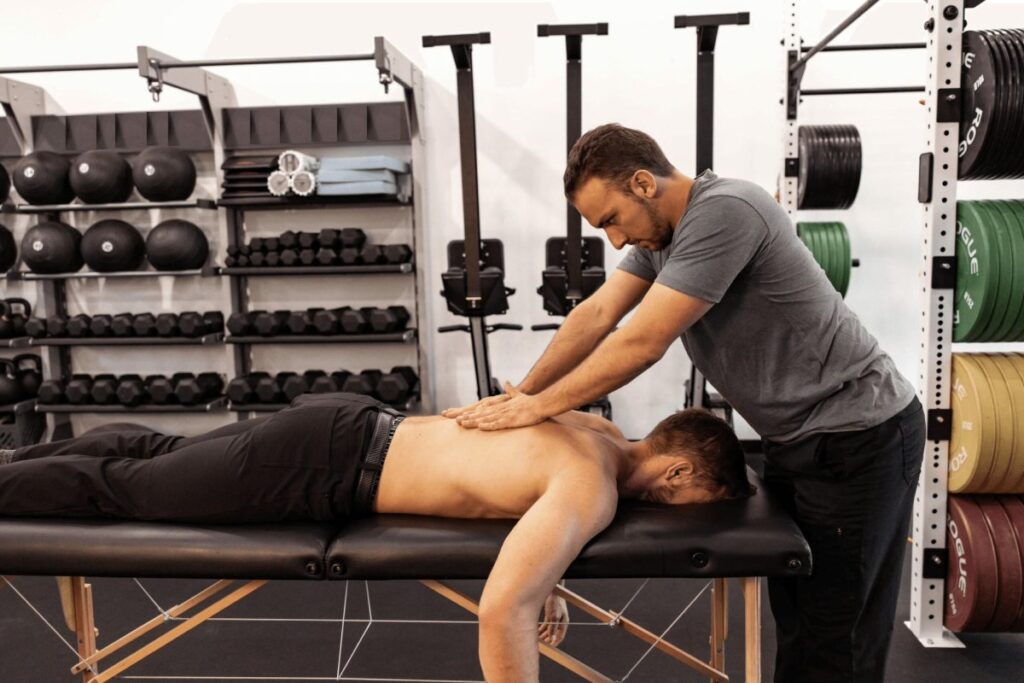
Sports and physical activity support overall health, but they also introduce the risk of injury. When a sports injury occurs, individuals can seek chiropractic care to support their recovery process. Chiropractors perform detailed assessments of the musculoskeletal system; they use a variety of hands-on techniques to address issues related to the spine, joints, and surrounding soft tissues. Here’s how a chiropractor can help with spinal care after a sports injury:
Perform a Detailed Assessment
A thorough initial assessment is a key step in spinal care following a sports injury; it evaluates the extent of the injury and identifies areas of muscle or joint dysfunction. Chiropractors may begin with a comprehensive consultation, during which they gather information about the cause of the injury, current symptoms, and the patient’s previous health history. Information about prior injuries and activity levels is also documented.
During a physical examination, the chiropractor evaluates posture, joint movement, and range of motion. Orthopedic and neurological tests can help measure muscle strength and nerve response. By integrating findings from these procedures, the chiropractor develops a profile of how the injury affects movement and function. This foundation is helpful for determining the most appropriate intervention.
Incorporate Soft Tissue Interventions
Chiropractors can utilize soft tissue techniques in conjunction with joint adjustments to treat muscles, ligaments, and tendons affected by sports injuries. These methods focus on relieving tension and promoting flexibility throughout the affected region. Possible interventions include:
- Therapeutic Massage- Manipulates muscles and connective tissues to alleviate tightness and support recovery.
- Myofascial Release- Applies sustained pressure to restricted areas to help improve flexibility and overall movement.
- Trigger Point Therapy- Targets specific painful spots in muscles to reduce discomfort and restore function.
- Stretching and Mobility Exercises- Enhance range of motion and support long-term tissue health.
Apply Manual Adjustment Techniques
Sports injuries can lead to inflammation and muscular tension, which restrict joint mobility. Manual adjustment techniques involve applying a controlled, precise force to a joint to address limited or restricted motion. Improved function and mobility allow surrounding tissues to move more freely, supporting comfort. Modifications to the adjustment technique are made based on the findings from the assessment, making sure the approach used is tailored to individual needs.
Recommend Additional Treatments
Chiropractors may recommend complementary therapies to support recovery after a sports injury. These treatments sometimes include:
- Rehabilitative Exercises- Strengthening and conditioning exercises help restore stability, improve muscle balance, and prevent future injuries.
- Cold and Heat Therapy- Applying ice or heat can reduce inflammation, relieve pain, and promote tissue healing.
- Nutritional Guidance- Advising on diet or supplements to support tissue repair and overall recovery.
- Lifestyle and Ergonomic Recommendations- Guidance on movement patterns, training techniques, and daily habits to minimize stress on injured areas.
Find High-Quality Spinal Care
Chiropractors can help treat various injuries, including pinched nerves, strained tendons, and tendonitis. They conduct detailed assessments and apply careful joint adjustment techniques. Each intervention is selected with the aim of supporting musculoskeletal health and restoring movement. If you’re exploring recovery options after a sports injury, schedule a consultation with a qualified chiropractor today to receive tailored guidance.
- What Is the Difference Between an Orthopedist and an Orthopedic Surgeon?
- What Does an Orthopedic Traumatologist Do? Complete Guide
- What Is the Pathology of the Skin? A Complete Guide
- What Is Dermatology Practical and Conceptual? Everything You Need to Know
- How Can I Find Dermatologos Cerca de Mi Ubicación? Complete Guide