
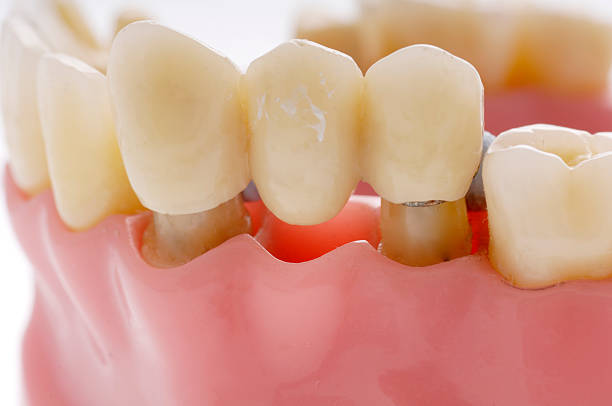
Dental crowns serve as a reliable solution for restoring damaged teeth and improving oral function. Patients often ask about the lifespan of these restorations before undergoing treatment. Understanding the durability of crowns helps individuals plan for future dental care needs. While they are not permanent, they offer a long-term fix for many dental issues.
How Long Do Crowns Last?
Dental crowns typically last between 10 and 15 years, though some can remain functional for decades with proper care. The materials used in their fabrication significantly influence their durability, with gold and metal alloys often withstanding biting forces better than porcelain or resin. The location of the crown in the mouth matters; molars experience more pressure during chewing, which can shorten their lifespan, whereas crowns on front teeth generally last longer due to less stress.
Regular dental checkups monitor the condition of crowns and catch any signs of wear or damage early, which can extend their lifespan. Patients who follow a consistent oral hygiene routine often see their restorations last well beyond 15 years, while neglect can lead to premature failure. Proper maintenance and regular care are key to crowns staying functional for as long as possible.
What Affects Crown Longevity?
Several factors influence how many years a restoration remains viable. The material composition is a primary determinant, but daily habits also impact durability significantly. Patients possess the ability to extend the life of their dental work through mindful care.
- Oral Hygiene: Brushing twice daily and flossing removes plaque that causes decay at the crown margin. Gum disease compromises the foundation supporting the restoration.
- Material Choice: Gold and zirconia generally offer superior strength compared to porcelain-fused-to-metal or all-resin options. Your dentist selects materials based on aesthetic needs and functional requirements.
- Biting Forces: Individuals who grind or clench their teeth place excessive stress on restorations. Night guards protect the ceramic or metal from fracturing under pressure.
- Dietary Habits: Chewing ice, hard candies, or sticky foods risks chipping or loosening the cement seal. Avoiding these items preserves the structural integrity of the crown.
The skill of the dentist and the quality of the lab fabrication also contribute to success. A precise fit prevents bacteria from leaking underneath the cap. Proper preparation of the underlying tooth structure creates a solid base for the restoration. Patients play the biggest role in maintenance once they leave the dental chair.
When Is Replacement Needed?
Even well-made crowns eventually require replacement due to normal wear and tear. Recognizing signs of failure allows for timely intervention before complications arise. Pain or sensitivity often indicates an issue with the underlying tooth or the restoration itself.
- A visible chip or fracture in the material
- Receding gums revealing the metal margin
- Decay developing at the base of the tooth
- A loose feeling when chewing sticky foods
- Persistent sensitivity to hot or cold temperatures
Restorations do not last forever, but replacement procedures are straightforward. The dentist removes the old material and cleans the underlying tooth structure. A new impression guides the fabrication of a fresh restoration. This process makes sure the tooth remains protected and functional for an extended period.
Consult A Dentist
Schedule an appointment if you suspect your crown needs attention or if it feels older than its expected lifespan. Your dental team evaluates the integrity of the restoration and the health of the supporting tooth structure. They provide personalized advice on whether repair or replacement serves your needs best. Acting quickly prevents minor issues from becoming complex dental problems.
- What Is the Difference Between an Orthopedist and an Orthopedic Surgeon?
- What Does an Orthopedic Traumatologist Do? Complete Guide
- What Is the Pathology of the Skin? A Complete Guide
- What Is Dermatology Practical and Conceptual? Everything You Need to Know
- How Can I Find Dermatologos Cerca de Mi Ubicación? Complete Guide