
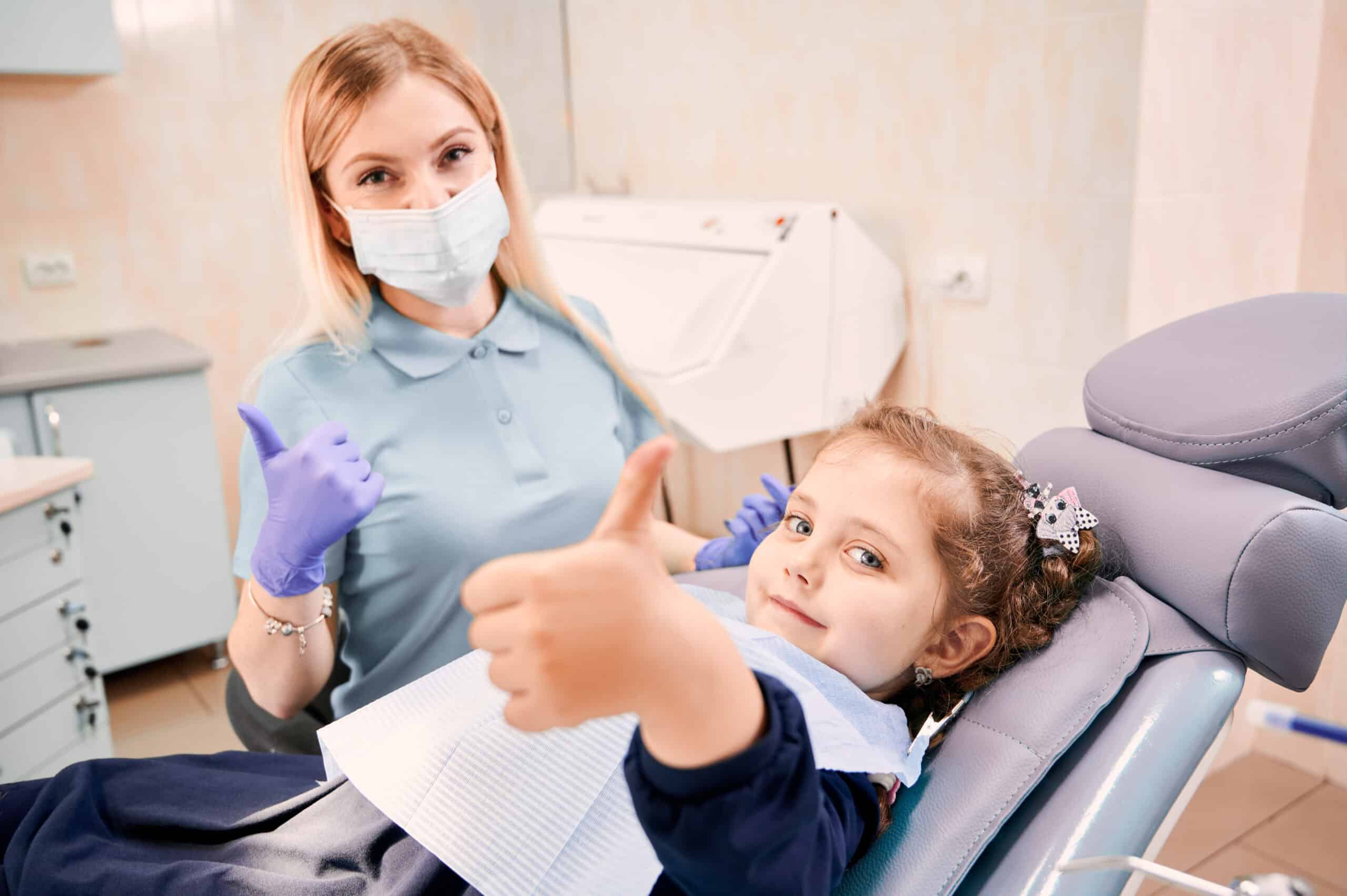
Oral health is a component of one’s overall health and well-being. It begins in infancy and extends through all stages of life. The dental needs of children, from their first tooth through adolescence, present distinct challenges and require specialized care. Pediatric dentistry is dedicated to managing the oral health of young patients. It focuses on prevention, education, and treatment in a way that supports their physical development.
What Is Pediatric Dentistry?
Pediatric dentistry is an age-defined specialty that provides both primary and comprehensive oral healthcare for infants, children, and adolescents. The typical environment of a pediatric dental office is designed to be welcoming and non-threatening for children. This helps create a positive association with dental visits from a young age, which can foster good oral hygiene habits. These specialists are equipped to handle the unique aspects of pediatric care, managing a child’s oral health from infancy through their teenage years.
What Services Fall Under It?
Pediatric dentists offer a wide range of services tailored to the developing mouths of children. Preventive care is a cornerstone of the practice, which includes routine cleanings and fluoride treatments to strengthen tooth enamel and resist decay. Sealants, which are thin protective coatings applied to the chewing surfaces of back teeth, are another common preventive measure to block out germs and food particles.
Education is another key service. Pediatric dentists can offer guidance on nutrition and diet to help prevent cavities; they also teach children and parents proper brushing and flossing techniques. Restorative procedures are also performed when necessary, including filling cavities and placing pediatric crowns on teeth that are severely decayed. They manage and treat gum diseases and other pediatric periodontal conditions.
What Does an Appointment Involve?
A typical appointment at a pediatric dental office is structured to be efficient and child-friendly. The visit often begins with the dental team speaking with the parent and child, reviewing the patient’s dental history. A dental hygienist may then perform a professional cleaning to remove plaque and tartar buildup. Following the cleaning, the pediatric dentist will conduct a thorough examination of the child’s mouth, teeth, and gums. This checkup looks for signs of tooth decay and monitors for any potential orthodontic problems.
Dental X-rays may be taken to see below the tooth surfaces and check on the development of unerupted permanent teeth. If any treatment is needed, such as a filling or a sealant application, the dentist will discuss the findings and proposed treatment plan with the parent. The appointment concludes with a review of oral hygiene practices and scheduling for the next visit.
Meet With a Dental Professional
Establishing a regular dental provider for a child means that their oral healthcare is delivered in a comprehensive way by a licensed dentist who can provide proper pediatric oral services. Early visits allow the dentist to identify and prevent potential problems before they become more serious. A pediatric dentist can provide specialized care designed for a child’s unique needs, setting the stage for good oral health that lasts a lifetime.
- What Is the Difference Between an Orthopedist and an Orthopedic Surgeon?
- What Does an Orthopedic Traumatologist Do? Complete Guide
- What Is the Pathology of the Skin? A Complete Guide
- What Is Dermatology Practical and Conceptual? Everything You Need to Know
- How Can I Find Dermatologos Cerca de Mi Ubicación? Complete Guide