
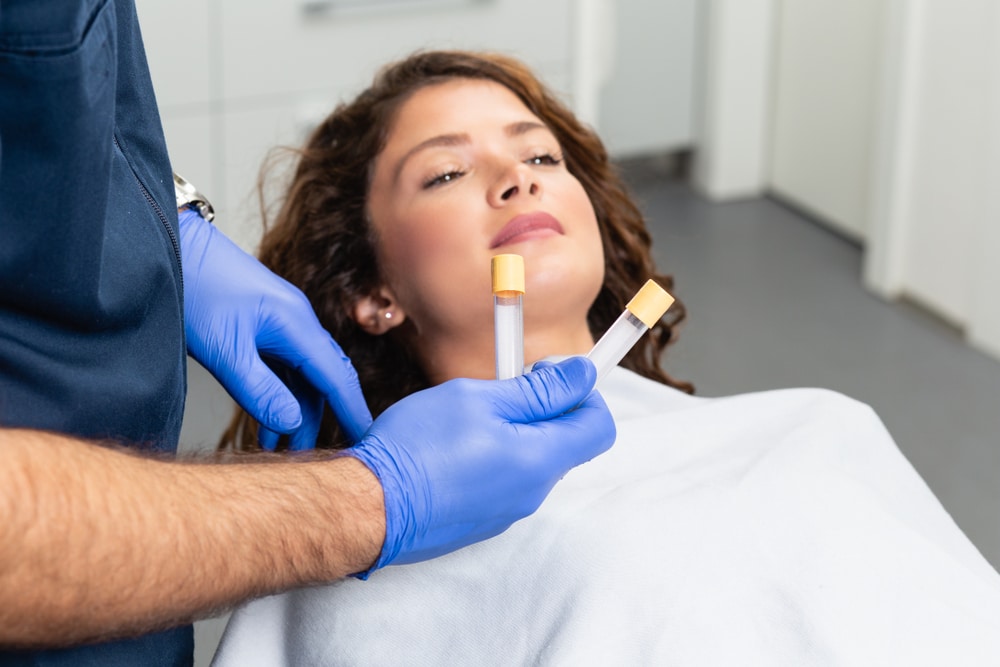
PRP, or platelet-rich plasma therapy, is a regenerative treatment that uses a patient’s own blood to promote healing and tissue repair. PRP can accelerate recovery from injuries, reduce inflammation, and improve overall healing outcomes by concentrating platelets and growth factors. Here’s more information on how PRP works for injury recovery:
Overview of PRP Therapy
PRP is a concentrated form of your blood that contains high levels of platelets and growth factors. Platelets are blood cells that play a key role in healing by releasing proteins that stimulate tissue repair and new cell growth. The creation of PRP begins with a simple blood draw from your arm. This blood sample is then placed in a centrifuge, which spins rapidly to separate the components. The centrifugation process isolates platelets from red blood cells and other components, creating a plasma solution with a much higher platelet concentration than in normal blood.
Role of PRP in Healing
When you sustain an injury, your body naturally sends platelets to the damaged area to begin the repair process. These platelets release growth factors that trigger processes such as tissue regeneration and blood vessel formation. Plasma therapy enhances this natural response by delivering a concentrated dose of these healing elements directly to the injury site.
The growth factors in PRP stimulate cells in damaged tissue to multiply and repair themselves. They also attract stem cells to the area, which can develop into the specific tissue types needed for healing. Plasma therapy reduces inflammation while promoting the formation of new, healthy tissue rather than scar tissue.
The healing process with PRP occurs gradually over several weeks to months. The growth factors continue working long after the injection, promoting sustained tissue repair and regeneration. Patients notice improvements in pain and function within 4-6 weeks, with continued progress for up to 12 months.
Conditions Treated With PRP
Platelet-rich plasma (PRP) therapy can be used to address various musculoskeletal injuries and chronic conditions. Commonly treated conditions include:
- Tendon injuries, such as tennis elbow or Achilles tendinitis.
- Ligament sprains and tears, including those in the knee or ankle.
- Osteoarthritis, particularly in the knee, hip, or shoulder joints.
- Muscle strains and tears that occur during sports or physical activities.
- Rotator cuff injuries and other shoulder-related damage.
- Chronic pain conditions, such as plantar fasciitis.
These applications highlight how versatile plasma therapy is in facilitating tissue healing and regeneration.
PRP Treatment Process
A PRP therapy session takes about an hour and occurs in a medical office. After drawing your blood and preparing the PRP solution, your doctor will clean the treatment area and may apply a local anesthetic to minimize discomfort. Using imaging guidance, such as ultrasound, they’ll inject the PRP precisely into the damaged tissue.
You may experience some soreness, swelling, or bruising at the injection site for a few days. This is a normal response as the growth factors begin their work. Applying ice and taking over-the-counter pain relievers can help manage any discomfort. Most patients return to their regular activities the next day, though your doctor may recommend avoiding strenuous exercise for a short period. The number of PRP treatments needed varies based on your condition’s severity and your body’s response. Your doctor will create a treatment plan tailored to your specific needs.
Consult a PRP Specialist Today
Plasma therapy offers a safe, effective alternative to surgery for many chronic pain conditions and injuries. By harnessing your body’s natural healing capabilities, this regenerative treatment addresses the root cause of pain rather than masking symptoms. The convenience, minimal downtime, and lasting results make PRP an option for individuals seeking relief from musculoskeletal problems. For chronic pain or a slow-healing injury, contact a pain management specialist near you to schedule your consultation today.
- What Is the Difference Between an Orthopedist and an Orthopedic Surgeon?
- What Does an Orthopedic Traumatologist Do? Complete Guide
- What Is the Pathology of the Skin? A Complete Guide
- What Is Dermatology Practical and Conceptual? Everything You Need to Know
- How Can I Find Dermatologos Cerca de Mi Ubicación? Complete Guide