
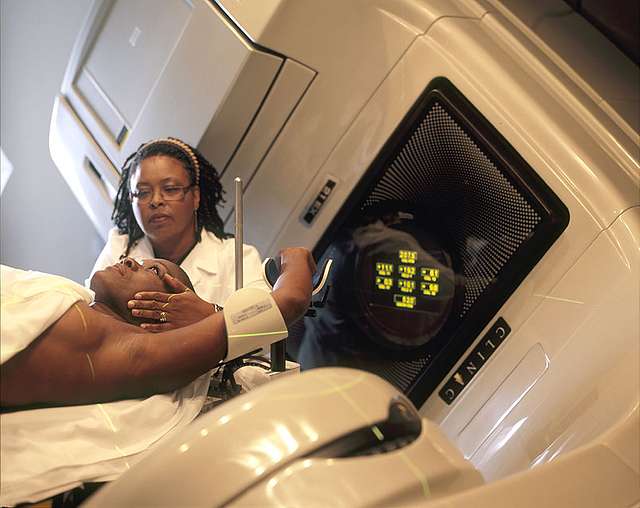
Deciding whether radiation therapy is the right option can feel overwhelming, especially when faced with a new diagnosis. Radiation treatment is a common and effective treatment that uses targeted energy to destroy cancer cells while preserving healthy tissue. Understanding when radiation treatment is recommended and what it aims to achieve can help you make informed decisions about your care.
The Basics of Radiation Therapy
Radiation therapy, also known as radiotherapy, utilizes high-energy beams to target and destroy cancer cells. The treatment works by damaging the DNA inside cancer cells, which prevents them from growing and dividing. Doctors use different types of radiation treatment depending on your specific situation. External beam radiotherapy directs rays from a machine outside your body toward the tumor. Internal radiation therapy places radioactive material directly inside or near the cancer. Modern radiation techniques allow doctors to focus the treatment precisely on tumors while protecting nearby healthy tissue.
Recommendations for Radiation Treatment
Doctors recommend radiation therapy in several situations. The treatment may be used alone or combined with surgery, chemotherapy, or other cancer treatments. Your medical team will decide based on your cancer type, stage, location, and overall health.
Radiation treatment can be the primary treatment for certain cancers, especially when surgery isn’t possible. The treatment can also be used before surgery to shrink tumors, making them easier to remove. After surgery, radiotherapy helps eliminate remaining cancer cells that may not be visible. This reduces the likelihood of cancer returning to the same area.
Symptoms Leading to Radiation Evaluation
Several factors may lead your doctor to contemplate radiation therapy as part of your treatment plan. A confirmed cancer diagnosis is the most common reason for radiation evaluation. Your oncologist will review imaging studies, biopsy results, and staging information to determine if radiation treatment would be helpful.
Symptoms related to tumor size or location often influence the decision. Large tumors that press on nearby organs may benefit from radiation to reduce their size. Tumors in areas where surgery would be risky, such as near the spinal cord or in the brain, may be better treated with precise radiation techniques. Advanced cancers may require radiation to control symptoms and slow disease progression.
Preparation and Expectations for Treatment
Preparing for radiation therapy involves several key steps to make sure the treatment is effective and safe. Here is an overview of what to expect during this process:
- Initial Consultation: You will meet with a radiation oncologist to discuss your diagnosis, treatment goals, and the potential benefits and risks of radiotherapy.
- Simulation and Planning: A simulation session will be conducted, often utilizing imaging techniques to precisely map the area to be treated.
- Marking the Treatment Area: Small, temporary marks or tattoos may be placed on your skin to guide the precise delivery of radiation during every session.
- Custom Immobilization Devices: If necessary, personalized devices such as molds or masks may be created to keep you in position during treatment.
- Treatment Schedule: Your healthcare team will provide a detailed plan outlining the number of sessions you will have and their duration.
- Pre-Treatment Instructions: Guidance will be provided on dietary recommendations, medications, and specific preparations.
Always communicate openly with your care team if you have questions or concerns during this process.
Schedule Your Radiation Therapy Consultation
Radiotherapy can be a highly effective treatment for several types of cancer. Understanding when you may need this treatment and what to expect can help prepare you for the process ahead. If you or a loved one has been diagnosed with cancer, consulting a radiation oncologist can help you understand all your treatment options. These specialists can assess your situation and determine whether radiation therapy may be beneficial as part of your care plan. Contact a qualified radiation oncology practice near you to schedule a consultation today.
- What Is the Difference Between an Orthopedist and an Orthopedic Surgeon?
- What Does an Orthopedic Traumatologist Do? Complete Guide
- What Is the Pathology of the Skin? A Complete Guide
- What Is Dermatology Practical and Conceptual? Everything You Need to Know
- How Can I Find Dermatologos Cerca de Mi Ubicación? Complete Guide