
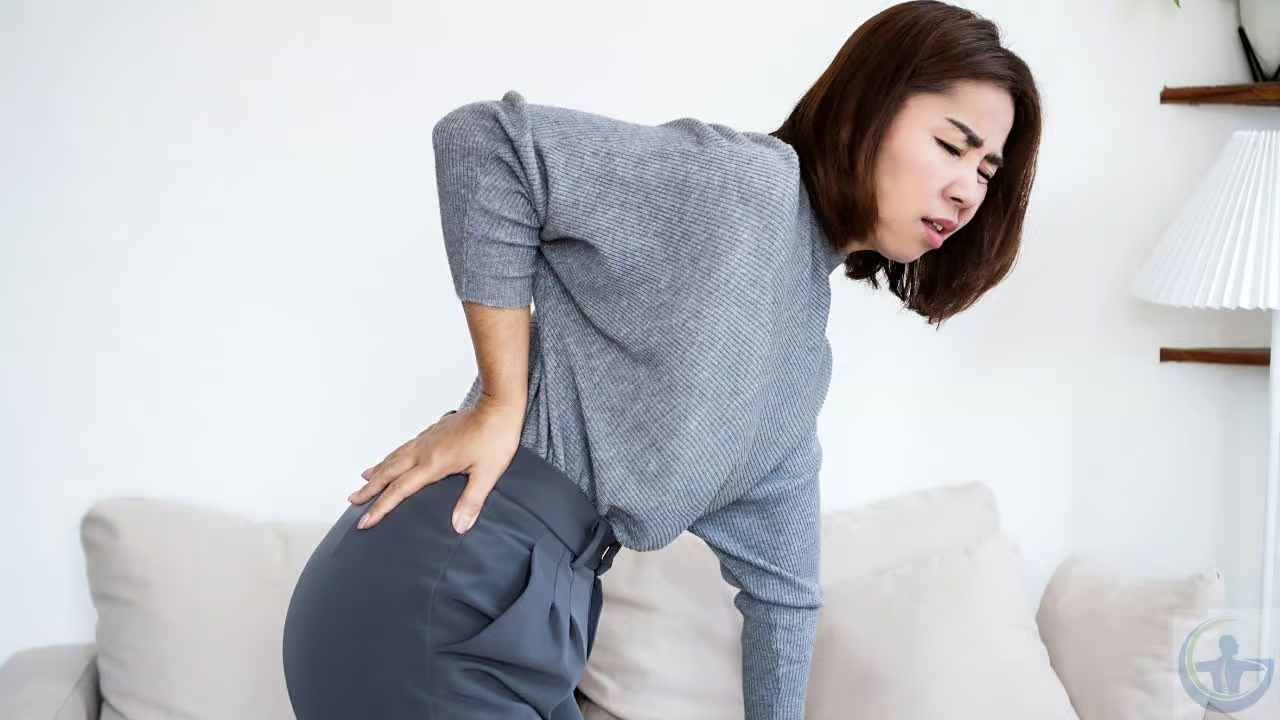
Sciatica is characterized by sharp, radiating pain that travels down the leg. It results from irritation or compression of the sciatic nerve. This nerve is the longest and widest in the human body; it runs from the lower back through the hips and down each leg. When something irritates or compresses the sciatic nerve, the resulting sensation can range from a mild ache to a sharp, burning feeling. Here are several triggers of sciatica and how to avoid them:
Everyday Habits
Everyday routines can contribute to sciatic nerve irritation, and prolonged sitting is a primary factor. Whether working at a desk for extended hours or spending long periods driving, remaining seated puts pressure on the lower back and gluteal muscles. This may compress the sciatic nerve.
Another possible contributor is carrying bulky items in the back pocket. Sitting on a thick wallet or phone for extended periods can press on the piriformis muscle, which overlies the sciatic nerve. This leads to symptoms that resemble lumbar sciatica. To mitigate these effects, take regular breaks to stand and stretch throughout the day. You may also relocate wallets or other bulky items to a front pocket, or remove them entirely before sitting.
Physical Triggers
The way we move significantly influences nerve health. Improper lifting techniques, such as bending at the waist instead of using the legs, place excessive strain on the lower back. This can irritate structures surrounding the sciatic nerve. High-impact activities and repetitive movements involving spinal rotation also pose potential risks. Regular exercise is generally beneficial, but certain motions increase inflammation or stress in the lower back if performed incorrectly. To minimize risk, engage your legs and maintain a straight back when lifting objects. This also applies if the items are relatively light. For high-impact sports, prioritize proper warm-ups and remain attentive to your body’s signals to prevent strain.
Sleep Habits
Adequate rest is key for recovery, but sleep posture and support are equally fundamental for spinal and nerve health. Poor sleeping positions or unsupportive mattresses can strain the lower back and exacerbate sciatic discomfort. Possible solutions include:
- Choosing an appropriate mattress: Avoid mattresses that are too soft or too firm, as they may not support the natural curvature of the spine.
- Sleeping on your side: Place a pillow between your knees to maintain hip alignment and reduce lower back strain.
- Sleeping on your back: Use a pillow under your knees to support the natural curve of the lower back.
- Avoiding stomach sleeping: This position can flatten the spine’s natural curve and strain the neck.
Lifestyle Factors
Several lifestyle factors can influence the likelihood of developing sciatica symptoms. Excess body weight, particularly around the midsection, shifts the body’s center of gravity forward. This occurrence requires the back muscles to work harder to maintain posture, and it may increase stress on the spine. Incorporate gentle, low-impact activities such as walking or swimming. Doing this can help manage weight while minimizing stress on the joints. Smoking is another contributing factor. It can impair disc health by reducing blood flow, potentially exacerbating nerve irritation. Maintaining a balanced lifestyle plays a key role in supporting long-term spinal health and reducing the risk of sciatica.
Find Professional Sciatica Treatment
By noticing which habits or activities precede your discomfort, you can make informed adjustments to your routine. Heat and ice therapy and over-the-counter pain relievers are suitable solutions to try at home. Professional treatments include physical therapy and muscle relaxants. If your sciatica pain is significant or lasts longer than a week, visit a pain management specialist.
- What Is the Difference Between an Orthopedist and an Orthopedic Surgeon?
- What Does an Orthopedic Traumatologist Do? Complete Guide
- What Is the Pathology of the Skin? A Complete Guide
- What Is Dermatology Practical and Conceptual? Everything You Need to Know
- How Can I Find Dermatologos Cerca de Mi Ubicación? Complete Guide