
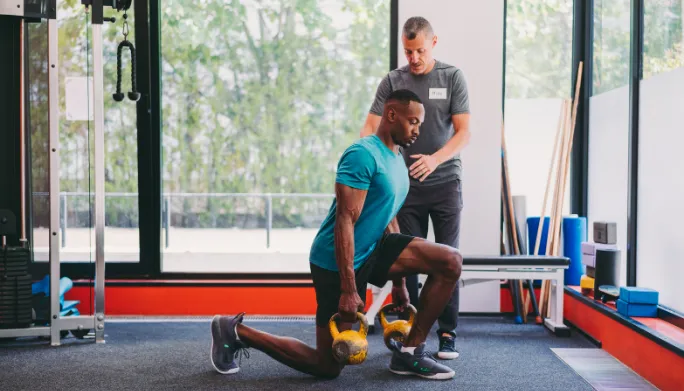
Foot and ankle injuries frequently affect athletes, impacting their mobility and performance. Rehabilitation programs that incorporate sports medicine principles provide a structured approach to recovery for these specific injuries. The process addresses underlying biomechanical issues, applies tailored treatment plans, and uses objective tools to track progress. Here’s how integrating sports medicine into rehabilitation programs can support injured athletes:
Assessing Foot and Ankle Function
A thorough assessment forms the foundation for successful foot and ankle rehabilitation, and practitioners begin by examining the injured area. They evaluate range of motion, muscle strength, gait, and balance. Sports medicine practitioners also assess biomechanics to identify patterns or imbalances that may contribute to injury. Gathering information on sport-specific demands, footwear, playing surfaces, and patient history helps create a complete clinical profile.
Clinicians evaluate intrinsic and extrinsic factors that affect injury risk. Intrinsic factors include foot arch type and flexibility, while extrinsic factors involve training routines, intensity, and environmental conditions. This comprehensive evaluation enables practitioners to develop targeted interventions that address both the current injury and its contributing causes. It also allows them to assess previous injuries and determine how these past issues may influence the recovery process.
Designing Tailored Rehabilitation Plans
Effective rehabilitation hinges on a plan customized for the athlete’s sport, position, and specific foot or ankle injury. The first stage may prioritize decreasing pain and inflammation, using modalities such as cryotherapy and therapeutic exercises that support tissue healing. As recovery progresses, the focus shifts toward restoring joint mobility, increasing muscular strength, and refining proprioception, which is key for foot and ankle recovery.
A sports medicine–based rehabilitation plan may include two fundamental components:
- Sport-Specific Functional Exercises: Rehabilitation incorporates movements relevant to the athlete’s sport; soccer players may perform lateral cutting drills while sprinters focus on explosive starts. These exercises help athletes regain sport-specific motor skills and prepare for the unique demands of their activity.
- Progressive Weight-Bearing Activities: Gradual progression from partial to full weight-bearing loads strengthens injured tissues. It promotes adaptation, which may minimize the risk of reinjury while supporting a return to full activity.
Athletes can benefit from ongoing, objective assessment throughout rehabilitation. Frequent monitoring provides data on flexibility, balance, and muscular endurance to guide workload increases.
Utilizing Advanced Technology
Technological advancements serve as helpful tools throughout the rehabilitation process. Motion analysis software tracks gait mechanics, detecting subtle abnormalities that might otherwise go unnoticed. High-resolution pressure mapping systems evaluate the distribution of forces across the foot during walking and running; this allows precise adjustments to orthotics or footwear. Wearable devices offer real-time feedback on movement, intensity, and compliance with prescribed exercises. These technologies equip rehabilitation specialists with quantitative data for evaluating progress.
Facilitating a Safe Return to Sport
Returning to sport is a key milestone in rehabilitation for athletes with foot and ankle injuries, and this stage involves gradually increasing sport-specific activities under supervision. Practitioners emphasize functional milestones rather than timelines, such as completion of agility drills or successful participation in non-contact practice. Communication among the healthcare team, coaches, and the athlete makes sure the transition remains coordinated and appropriate for the individual’s recovery status.
Partner With Sports Medicine Specialists
Incorporating sports medicine principles into foot and ankle rehabilitation provides athletes with a focused and systematic approach to recovery. Detailed assessment, individualized planning, and informed use of technology all contribute to faster, safer outcomes. Athletes aiming to regain performance and prevent future injury can benefit from a structured rehabilitation program, and consistent guidance promotes progress toward full recovery. If you or someone you know is recovering from a sports-related foot or ankle injury, consult a qualified sports medicine professional today.
- What Is the Difference Between an Orthopedist and an Orthopedic Surgeon?
- What Does an Orthopedic Traumatologist Do? Complete Guide
- What Is the Pathology of the Skin? A Complete Guide
- What Is Dermatology Practical and Conceptual? Everything You Need to Know
- How Can I Find Dermatologos Cerca de Mi Ubicación? Complete Guide