
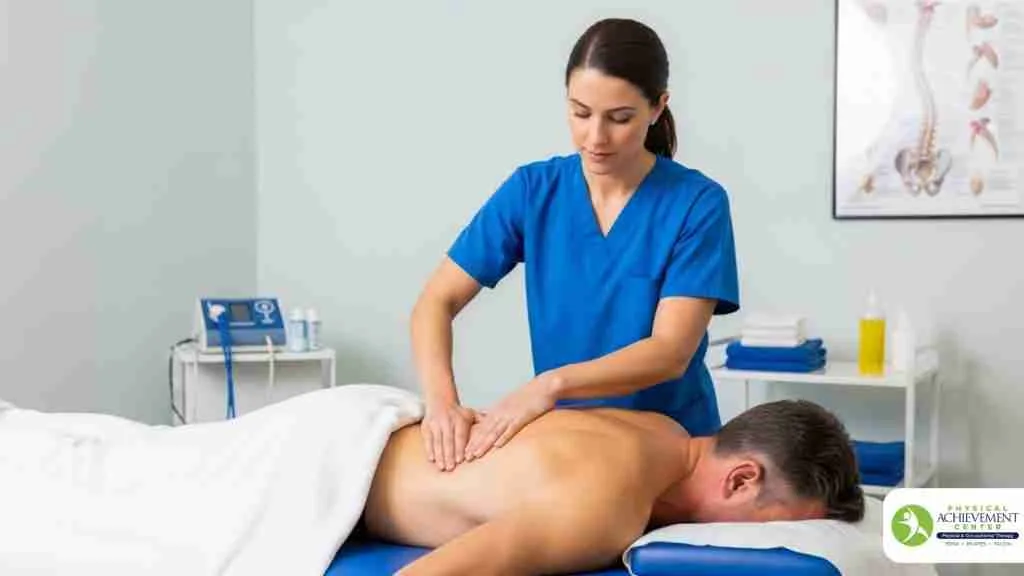
Back pain can vary from a dull ache to a sudden, sharp sensation, depending on the cause and severity. This discomfort may limit mobility and interfere with normal functioning. While many factors contribute to back pain, certain lifestyle adjustments may help manage the symptoms. Understanding these changes provides a framework for coping with back-related issues. Here are some lifestyle changes that may help:
Limiting Activities
Certain movements and activities often aggravate back pain. Identifying these specific triggers is a primary step in managing discomfort, so you may need to adjust your daily routine. Heavy lifting, high-impact sports, and repetitive twisting motions can cause strain and worsen existing conditions.
Modifying how you perform daily tasks might offer some relief. When you must lift an object, bending at the knees instead of the waist transfers the load to your legs, which are better equipped to handle the strain. This simple change may reduce direct pressure on the spine. It is beneficial to evaluate your physical obligations and find alternative ways to accomplish them without placing undue stress on your back.
Listening to your body is a practical approach. You should observe signals of back pain and fatigue, as they indicate the need to rest or modify your activity. Taking breaks during repetitive tasks or prolonged effort allows your back muscles to recover and helps prevent strain.
Stretching Regularly
Incorporating a regular stretching routine into your day helps maintain flexibility and mobility in the muscles that support your spine. Simple stretches, when done correctly, target the lower back, hamstrings, and hip flexors, and help improve flexibility. Since these muscle groups may become tight and contribute to lower back tension and discomfort, a consistent stretching practice may improve your range of motion over time.
A gentle knee-to-chest stretch can help lengthen the lower back muscles, while a seated hamstring stretch targets the back of your legs. To start, you could try some basic movements:
- Lie on your back and gently pull one knee toward your chest.
- Sit on the floor with your legs extended and slowly reach for your toes.
- Stand and perform gentle side bends to stretch your muscles.
These stretches do not require special equipment and are easy to perform at home, though it is a good idea to move slowly and avoid any movements that cause sharp pain.
Avoiding Prolonged Sitting
Many people spend a significant portion of their day sitting, which puts more pressure on the spinal discs than standing or walking. Prolonged sitting with poor posture causes stiffness and pain in the lower back. This constant pressure may weaken back muscles over time because they are not actively engaged.
Making an effort to stand up and move around periodically interrupts this static posture. You can set a timer as a reminder to get up, walk around your room, or do a few light stretches. An ergonomic chair that offers proper lumbar support helps maintain your spine’s natural curve and evenly distributes your weight.
Getting Treatment When Necessary
When lifestyle modifications are not enough to manage back pain, seeking medical treatment becomes the next step. A healthcare professional can provide a diagnosis and recommend a treatment plan based on your specific condition. Treatments vary widely depending on the cause and severity of the pain.
Get Care for Back Pain
By limiting strenuous activities, stretching regularly, and avoiding prolonged sitting, you can take an active role in addressing your discomfort. If your pain persists or worsens, professional treatment offers additional pathways for relief. Contact a spine specialist to schedule a consultation and learn more about your options.
- What Is the Difference Between an Orthopedist and an Orthopedic Surgeon?
- What Does an Orthopedic Traumatologist Do? Complete Guide
- What Is the Pathology of the Skin? A Complete Guide
- What Is Dermatology Practical and Conceptual? Everything You Need to Know
- How Can I Find Dermatologos Cerca de Mi Ubicación? Complete Guide