
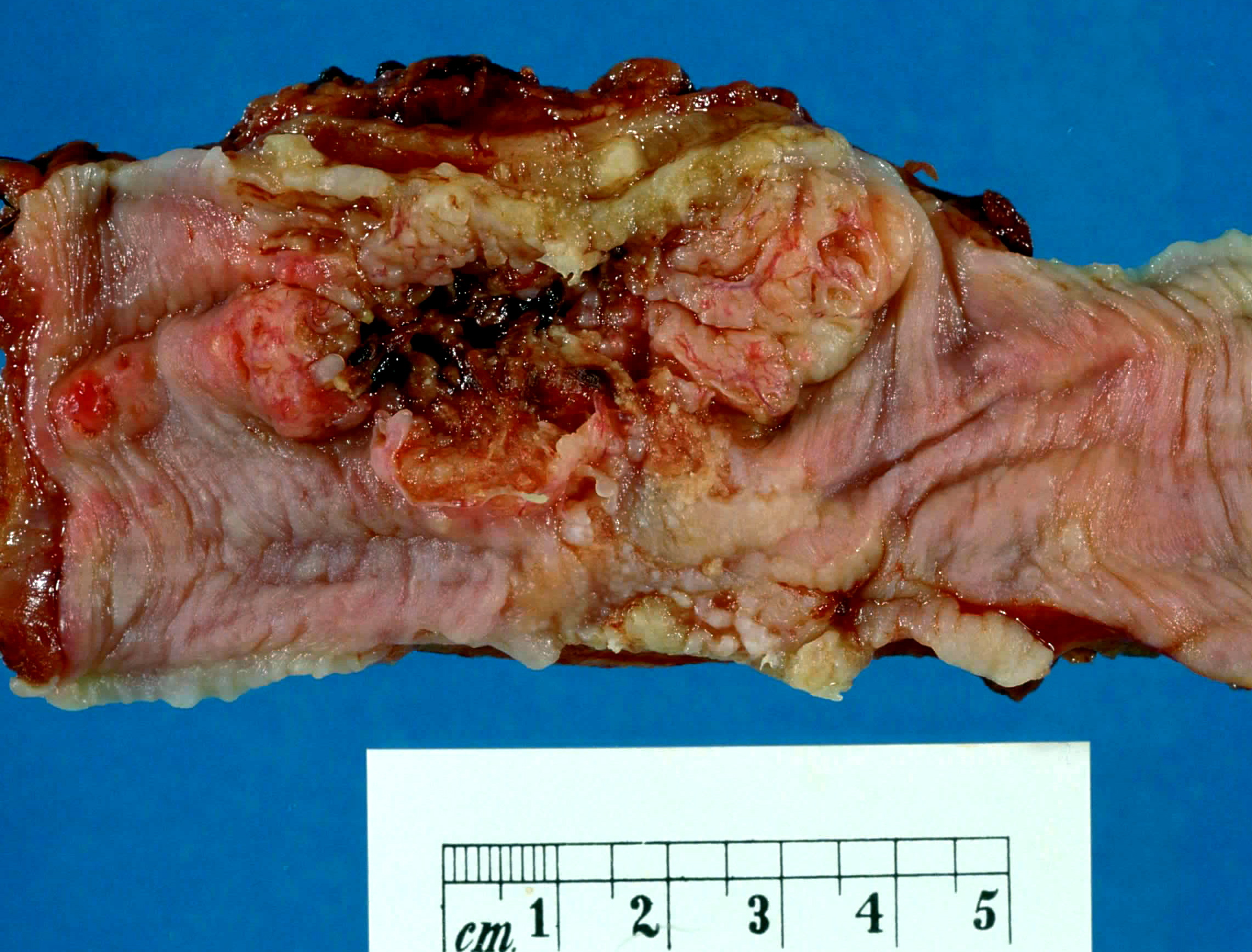
Oncology is a medical specialty dedicated to diagnosing, treating, and preventing cancer. When determining a treatment approach for gastrointestinal (GI) cancer, physicians evaluate many factors, so a plan is developed based on the specific type of cancer, its location, and its stage. The patient’s overall health status also guides the selection of methods. Here are some treatment options:
Chemotherapy Treatments
Chemotherapy for gastrointestinal cancer treatment employs drugs that destroy or inhibit cancer cell growth, typically combining multiple agents for increased effectiveness. These treatments are administered in various settings, including outpatient centers and hospitals. They also produce side effects that range from gastrointestinal distress to blood cell issues.
Radiation Therapy
Some radiation approaches direct high-energy rays at a tumor from outside the body; other techniques deliver highly focused doses in fewer sessions. The treatment process begins with a detailed simulation and planning phase, where imaging studies help to map the precise location and contours of the tumor. Accurate targeting may minimize radiation exposure to surrounding healthy tissues.
Radiation is helpful in conjunction with other treatments. Doctors might apply it before surgery to shrink a tumor, or after surgery to eliminate any remaining cancer cells. This therapy is helpful for various types of cancers, depending on the clinical situation.
Surgical Procedures
Surgical resection is a primary treatment in oncology for many localized gastrointestinal cancers. The tumor’s location determines the type of procedure. One procedure removes part or all of the esophagus, another addresses stomach cancer, and a colectomy or proctectomy is performed for colorectal cancer. Surgeons aim to remove the tumor with a margin of healthy tissue to lower the chance of it returning.
During the procedure, lymph nodes may be removed and examined to help determine the cancer’s stage, which is information that guides decisions about additional therapy. The plan requires careful coordination between surgeons, oncologists, and other specialists. Minimally invasive techniques, such as laparoscopic or robotic-assisted surgery, are used when appropriate to reduce recovery time.
Many factors influence the choice of surgical approach. The tumor size and extent of local invasion are primary determinants, and the patient’s overall fitness for a major operation is also a factor. A team reviews all diagnostic information to recommend the most suitable surgical option for the individual patient’s circumstances.
Immunotherapy Treatments
Immunotherapy treatments activate the body’s own immune system to fight cancer, and checkpoint inhibitors have become a standard option for certain GI issues that possess specific biomarkers. These biomarkers help identify patients who are more likely to respond to treatment. Key indicators include:
- Mismatch repair deficiency
- High tumor mutational burden
Adverse events associated with these therapies differ from chemotherapy side effects, so patients require careful monitoring for reactions. Immunotherapy may be used as a first-line treatment or in subsequent lines of therapy after other treatments have been tried.
Get Care Through Oncology
A multidisciplinary team approach is fundamental to managing GI cancer care. This collaborative model integrates the expertise of medical oncologists, radiation oncologists, surgeons, and other specialists, and it enables shared decision-making between the patient and their care team. Patients may also have access to clinical trials that investigate new treatment options. You should discuss your specific diagnosis and available treatment options with a qualified healthcare provider.
- What Is the Difference Between an Orthopedist and an Orthopedic Surgeon?
- What Does an Orthopedic Traumatologist Do? Complete Guide
- What Is the Pathology of the Skin? A Complete Guide
- What Is Dermatology Practical and Conceptual? Everything You Need to Know
- How Can I Find Dermatologos Cerca de Mi Ubicación? Complete Guide