
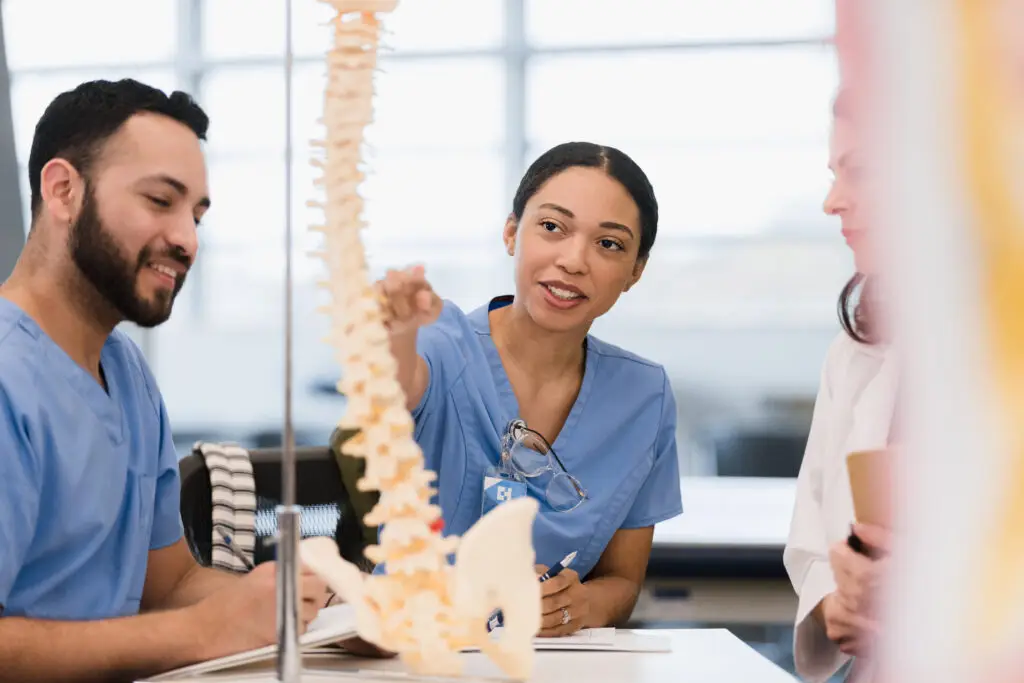
Orthopedic surgeons specialize in the musculoskeletal system, which includes bones, joints, ligaments, tendons, and muscles. They diagnose and treat a wide range of conditions, including fractures, sports injuries, and degenerative diseases like arthritis. When surgery is required, a team-based approach, known as multidisciplinary care, can be used to manage the patient’s journey from pre-operative planning through post-operative recovery. Here is more information about the benefits of multidisciplinary care:
Improved Outcomes
A multidisciplinary team brings together diverse expertise to develop a comprehensive care plan. The team typically includes surgeons, anesthesiologists, nurses, and physical therapists, and they collaborate through methods such as planning meetings and shared electronic health record notes. When different specialists contribute their knowledge before a procedure begins, the patient’s complete health profile receives a thorough evaluation.
This team approach facilitates proactive management of a patient’s health. A nutritionist may work with a patient to optimize their diet before surgery, while a social worker helps arrange for post-discharge support at home. A coordinated plan addresses multiple facets of a patient’s well-being.
The ongoing communication among team members supports adjustments throughout the care process. Medical professionals provide feedback on a patient’s progress, so surgeons can make informed decisions about the recovery timeline. This dynamic interaction aligns the entire team around the patient’s specific needs and goals by promoting collaboration.
Reduced Complications
Coordinating care among specialists helps identify and manage potential risks. Standardized care pathways, which provide protocols, guide the team in making consistent decisions for standard procedures like joint replacements. This systematic approach contributes to the reduction of variability in care delivery. When a team follows an established protocol, everyone can understand their role and responsibilities, which may lead to a smoother execution of the care plan.
Enhanced Recovery
A coordinated team works to support a patient’s recovery after surgery. Experts can guide patients through exercises designed to restore movement and strength, and their input helps the orthopedic surgeon monitor functional progress. A patient’s recovery process is a primary focus for the entire team. This approach means that from the moment surgery is complete, the focus shifts to a structured and supervised rehabilitation plan.
The team’s involvement extends to multiple aspects of post-operative care. This includes:
- Pain management strategies from anesthesiologists and nurses
- Mobility training with physical and occupational therapists
- Nutritional guidance to support tissue healing
By addressing recovery from several angles, the team provides a supportive framework for the patient. Because multiple professionals are monitoring the patient’s condition, any signs of slow progress or new issues are identified quickly. This team communicates about these observations to adjust the care plan as needed.
Increased Independence
The ultimate goal of orthopedic surgery and rehabilitation is to help patients regain function. The multidisciplinary team supports this objective by preparing patients for a return to their daily activities. They may teach a patient how to safely navigate their home environment and perform tasks like dressing or bathing after surgery. This practical training is designed to build confidence and promote self-sufficiency.
Schedule an Orthopedic Surgeon Visit
A multidisciplinary care model organizes the expertise of various medical professionals around a single patient’s surgical experience. This approach involves detailed planning, coordinated execution, and attentive follow-up from a team of specialists. If you are exploring surgical options for a condition, speaking with an orthopedic surgeon is a good first step to understand the treatment process. Schedule a visit to discuss your specific situation and learn about the care approach.
- What Is the Difference Between an Orthopedist and an Orthopedic Surgeon?
- What Does an Orthopedic Traumatologist Do? Complete Guide
- What Is the Pathology of the Skin? A Complete Guide
- What Is Dermatology Practical and Conceptual? Everything You Need to Know
- How Can I Find Dermatologos Cerca de Mi Ubicación? Complete Guide