
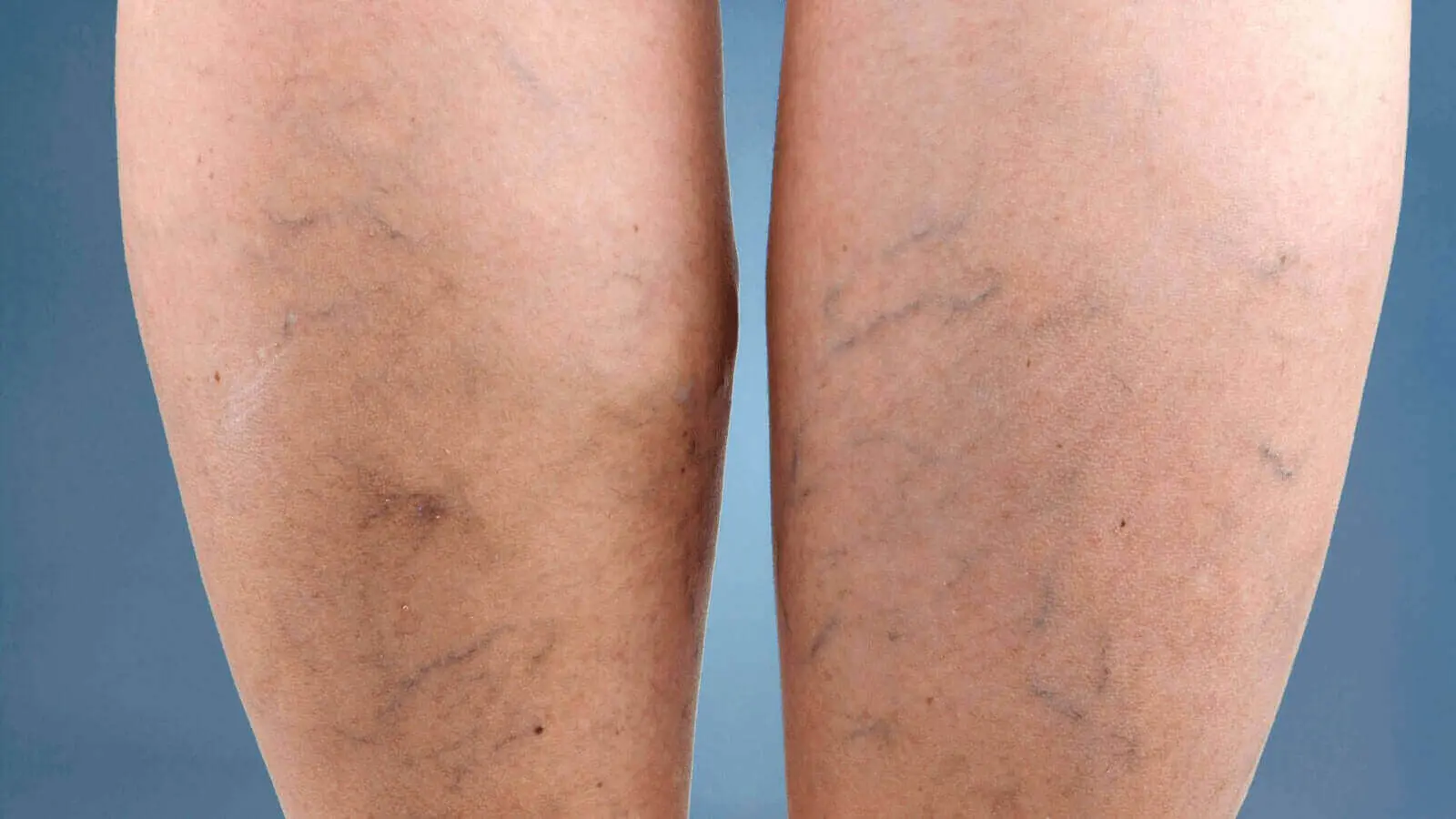
Varicose veins are enlarged, twisted veins that often appear dark purple or blue. They can develop anywhere in the body, but are most common in the legs. These veins lie just beneath the skin’s surface and can cause discomfort for many individuals. Understanding their development, symptoms, and the available management strategies can provide clarity for those affected.
What Causes Varicose Veins?
Veins return blood from the body to the heart. To accomplish this, especially in the legs, veins contain tiny one-way valves that open to let blood flow toward the heart and close to prevent it from flowing backward. When these valves weaken or become damaged, they may not close properly. This condition, known as venous reflux, allows blood to leak backward and pool in the vein. The accumulation of blood increases pressure, causing the vein to stretch, swell, and become varicose.
Several factors can increase a person’s likelihood of developing varicose veins. A family history of the condition is a prominent risk factor. The female sex is more susceptible. Pregnancy itself adds pressure on the leg veins from the growing uterus. Other factors include carrying excess body weight, which places greater strain on the veins, and a lifestyle that involves prolonged periods of standing or sitting, which can hinder efficient blood circulation.
What Are the Symptoms?
The experience of varicose veins varies among individuals. The primary concern is the appearance of the veins themselves for some, and a range of physical symptoms may be present for others. People might experience a dull ache or a feeling of heaviness in their legs. Swelling in the ankles and feet is another common occurrence.
Some individuals report sensations of burning or throbbing in the affected area. Itching or dryness over the vein can also occur. Persistent venous pressure can lead to skin changes near the ankle, including discoloration, rashes, or the development of skin ulcers. The intensity of these symptoms does not always correspond to the size or number of visible veins.
How Are They Treated?
Management approaches for varicose veins range from conservative measures to office-based procedures. Conservative management focuses on lifestyle adjustments. Elevating the legs above heart level for short periods throughout the day can assist with blood return and reduce swelling. Compression stockings apply gentle, steady pressure to the legs to help veins and leg muscles move blood more efficiently.
When conservative measures are insufficient, a healthcare provider may discuss office-based options:
- Sclerotherapy: This procedure involves injecting a solution directly into the varicose vein. The solution irritates the lining of the blood vessel, causing it to collapse and eventually be reabsorbed by the body.
- Thermal Ablation: This category includes procedures that use heat to close the affected vein. A thin catheter is inserted into the vein, and energy is delivered to heat the vein wall, causing it to seal shut.
- Medical Adhesive Closure: This technique uses a medical-grade glue to close the main affected vein. A catheter is used to deliver small amounts of the adhesive along the vein to seal it.
Seek Professional Medical Care
If you experience persistent discomfort, notice skin changes such as rashes or sores near your ankle, or find that varicose veins are affecting your daily activities, it is advisable to speak with a healthcare professional. A thorough evaluation can determine the underlying cause of your symptoms and help establish a personalized management plan. A clinician can provide individualized advice based on your specific health profile and the severity of the condition.
- What Is the Difference Between an Orthopedist and an Orthopedic Surgeon?
- What Does an Orthopedic Traumatologist Do? Complete Guide
- What Is the Pathology of the Skin? A Complete Guide
- What Is Dermatology Practical and Conceptual? Everything You Need to Know
- How Can I Find Dermatologos Cerca de Mi Ubicación? Complete Guide