
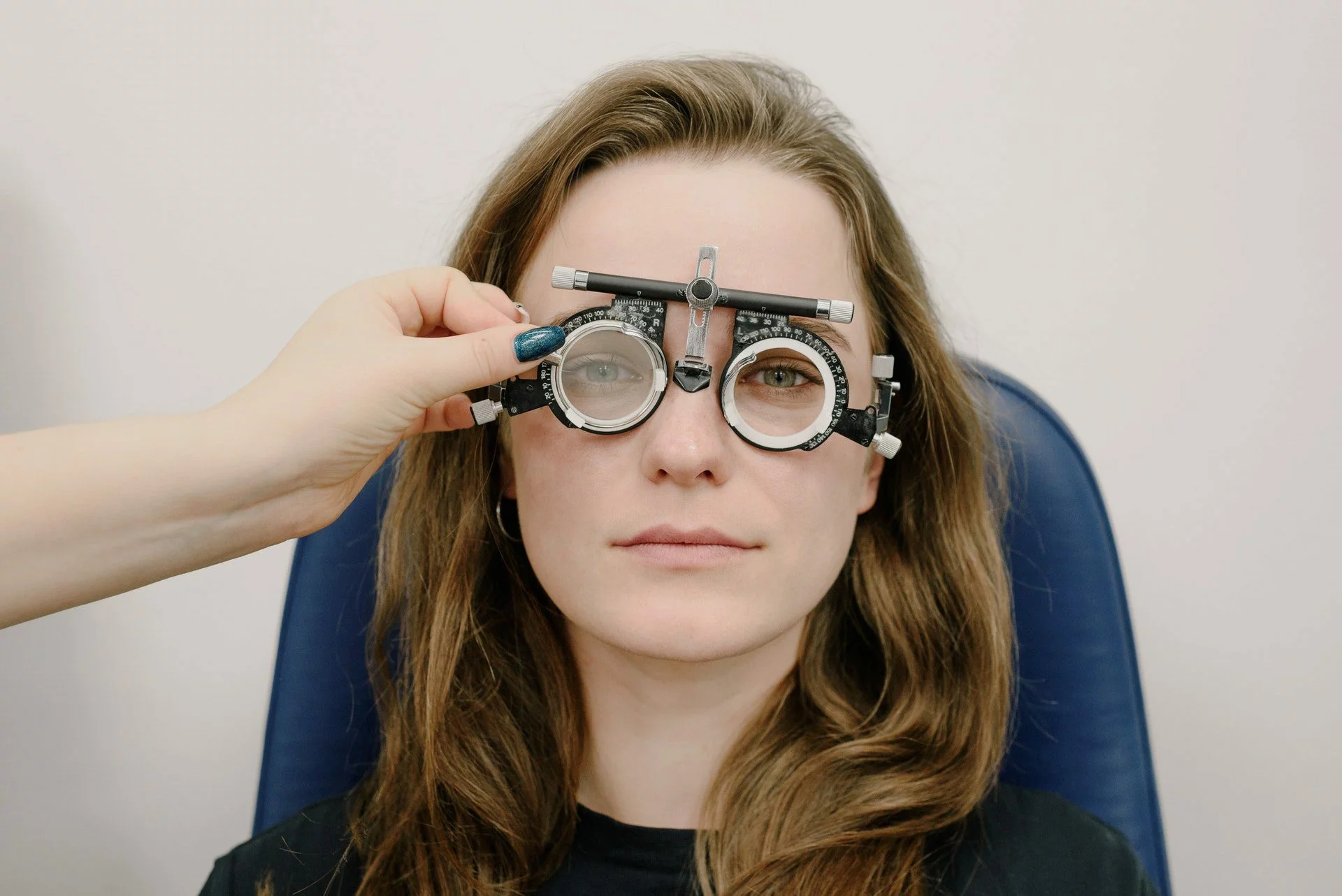
Regular eye examinations are a part of maintaining your overall well-being. Preparing for your appointment can help you and your doctor have a productive conversation about your vision and eye health. Knowing what to bring and what to ask can streamline the process, making your visit straightforward and useful.
What Should You Bring?
Arriving prepared can help your appointment go smoothly. Gather a few items beforehand so all your information is ready for the eye doctor. Having these details on hand enables your optometrist to obtain a comprehensive picture of your health.
Here is a list of items to bring to your appointment:
- Current Glasses and Contacts: Your doctor will want to check your existing prescription. Bring all pairs of glasses you regularly wear, including reading glasses or computer glasses. If you wear contacts, wear them to the appointment or bring a pair along with the lens box or prescription information.
- List of Medications: Compile a list of all prescription and over-the-counter medications you take. This includes vitamins and supplements, as some can affect your eyes.
- Medical History Information: Be ready to discuss your personal and family medical history. Note any family history of eye conditions like glaucoma or macular degeneration. Your general health information is also useful.
- Insurance Card and ID: Have your vision and medical insurance cards ready. This will simplify the check-in and billing process for the office staff.
Bringing these items helps your eye doctor understand your current vision needs and overall health profile. This preparation supports a thorough and efficient eye exam.
What Questions Should You Ask?
Your eye exam is an opportunity to learn more about your eye health. Asking questions can give you a clearer understanding of your vision and any recommended next steps. It helps to think about what you want to know before you arrive. You might ask your eye doctor the following questions:
- Has my prescription changed?
- What do my test results mean?
- Are there any lifestyle changes that could support my eye health?
- Based on my history, am I at risk for any eye conditions?
- How often do you recommend I have an exam?
Jotting down your questions ahead of time can help you remember everything you want to discuss during your appointment. This dialogue can provide valuable information for managing your eye care.
Do I Schedule a Follow-Up?
After your eye exam, your doctor will tell you if a follow-up visit is needed. This could be for further testing, to monitor a specific condition, or to check how you are adjusting to a new prescription. The office staff can assist you with scheduling your next appointment before you leave.
Your optometrist will also provide a recommendation for when to schedule your next routine eye exam. This timeframe is based on your age, risk factors, and current eye health. Following this guidance helps you stay on track with your long-term eye care.
Schedule an Eye Exam
Regular eye examinations are a key component of your health routine. Being prepared for your visit helps you make the most of your time with your eye doctor. You can feel confident in managing your vision when you have clear information and guidance. If it has been a while since your last appointment, now is a great time to take action. Contact a local eye care provider to schedule your next eye exam and take a positive step toward maintaining your vision.
- What Is the Difference Between an Orthopedist and an Orthopedic Surgeon?
- What Does an Orthopedic Traumatologist Do? Complete Guide
- What Is the Pathology of the Skin? A Complete Guide
- What Is Dermatology Practical and Conceptual? Everything You Need to Know
- How Can I Find Dermatologos Cerca de Mi Ubicación? Complete Guide