
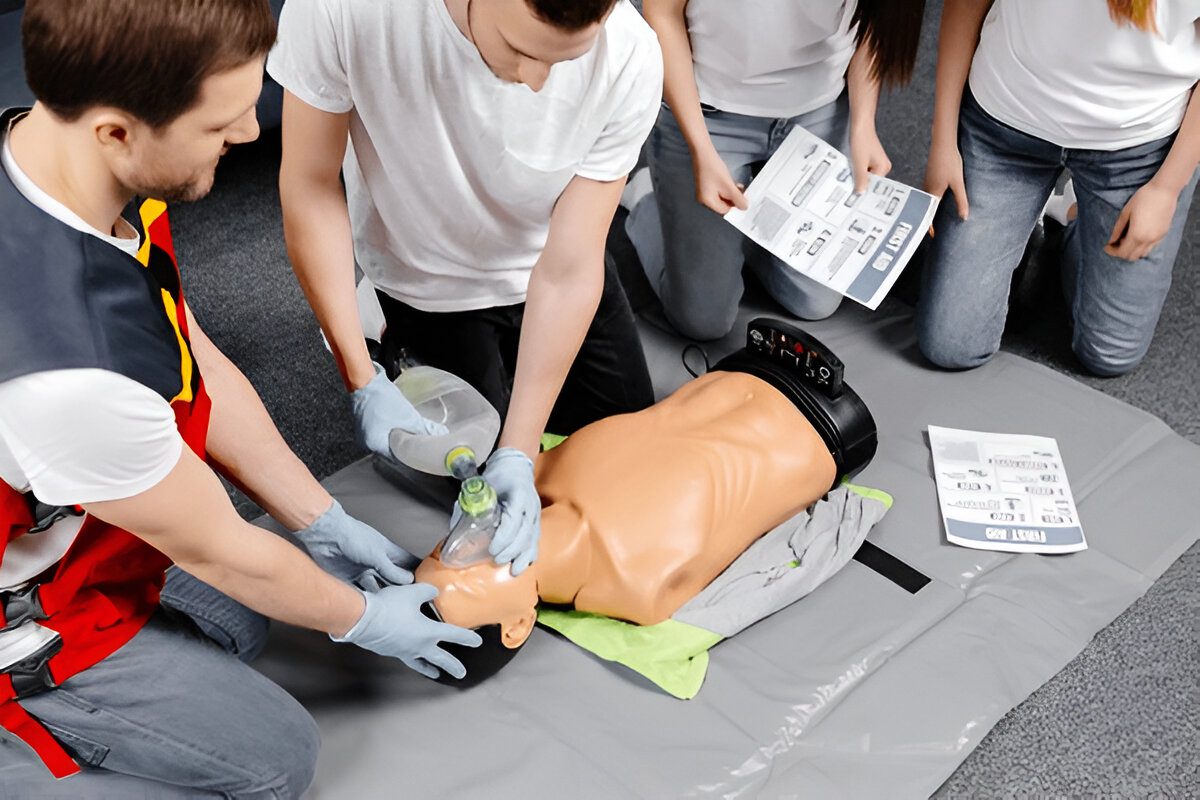
Cardiopulmonary resuscitation (CPR) is a first-aid technique that involves chest compressions and, in some cases, rescue breaths. It is used to help maintain blood circulation and breathing during certain medical emergencies. Over time, CPR methods have been refined and expanded to include a variety of approaches. Here’s more information on how CPR techniques have developed through the years:
Mouth-Mouth Rescue Breathing
In the 1740s, French physicians discovered that air could be forced into the lungs using repeated mouth-to-mouth resuscitation. As the method gained recognition, local health boards and city guards along the French canals began teaching the public how to perform it safely. Although early efforts often relied on tools like bellows to deliver air, physicians eventually adopted direct mouth-to-mouth breathing as a more effective approach. By the 1950s, the technique had become standardized, allowing rescuers to deliver enough oxygen to sustain life. Today, mouth-to-mouth resuscitation is a core component of CPR and is widely taught to first responders around the world.
Chest Compressions
In the 1950s, physicians discovered that rhythmic chest compressions could restore blood circulation to key organs. By combining mouth-to-mouth breathing and compressions, physicians could restart oxygen absorption and blood circulation. These two actions became the foundation of CPR as researchers identified the right amount of force that wouldn’t cause internal damage.
Maintaining a regular rhythm during chest compressions helps maximize cardiac output while minimizing rescuer fatigue. To offer effective blood circulation, emergency responders space the compressions appropriately, allowing the chest to fully recoil between each one. Through trial and error, researchers learned that proper hand placement can reduce the risk of rib fractures and lung injuries. CPR is generally more effective when multiple responders alternate performing compressions.
Formal Training
In the 1960s, organizations dedicated to teaching CPR techniques began to emerge across the United States, offering standardized training that aligned with national guidelines. Instruction expanded beyond healthcare professionals, as members of the general public were trained to improve community safety. Many companies also began incorporating CPR certification into employee safety programs to reduce liability and enhance workplace preparedness.
To make sure that individuals stayed up to date with evolving protocols, periodic certification renewals were introduced, requiring participants to demonstrate current knowledge and adherence to health standards. CPR training also advanced with the use of realistic manikins, which provided immediate feedback on compression rate and depth. Standardized certification enabled consistent instruction in community centers, clinics, and schools.
Automated External Defibrillators
In the 1970s, automated external defibrillators (AEDs) were introduced — devices capable of automatically delivering shocks to restore normal cardiac rhythms. These devices allowed untrained bystanders to provide emergency intervention in public places like airports while waiting for professional responders to arrive. In response, national and local governments began installing AEDs in public areas and offering training to the general public on their use. First responders also equipped rapid response vehicles with AEDs for use in emergencies.
Modern AEDs can now transmit patient data to hospitals, improving continuity of care. Non-medical personnel, including firefighters and police officers, have also been trained to operate these devices. By creating safer public environments, these prehospital care systems help reduce mortality rates, especially in locations far from hospitals. Some AEDs are equipped with GPS and mobile technology to aid coordination of emergency response in crowded or complex settings.
Join a CPR Course
Modern CPR training covers manual chest compressions, hands-only CPR, and the use of AEDs. Specific compression-to-ventilation ratios are taught to verify effective intervention during the first few minutes of a cardiac arrest. Many programs now incorporate hybrid and digital learning methods to improve the certification experience. Virtual simulations that mimic real-life stress also help trainees reduce errors during actual emergencies. Enroll in a CPR certification course to gain the skills needed to provide life-saving resuscitation.
- What Is the Difference Between an Orthopedist and an Orthopedic Surgeon?
- What Does an Orthopedic Traumatologist Do? Complete Guide
- What Is the Pathology of the Skin? A Complete Guide
- What Is Dermatology Practical and Conceptual? Everything You Need to Know
- How Can I Find Dermatologos Cerca de Mi Ubicación? Complete Guide