
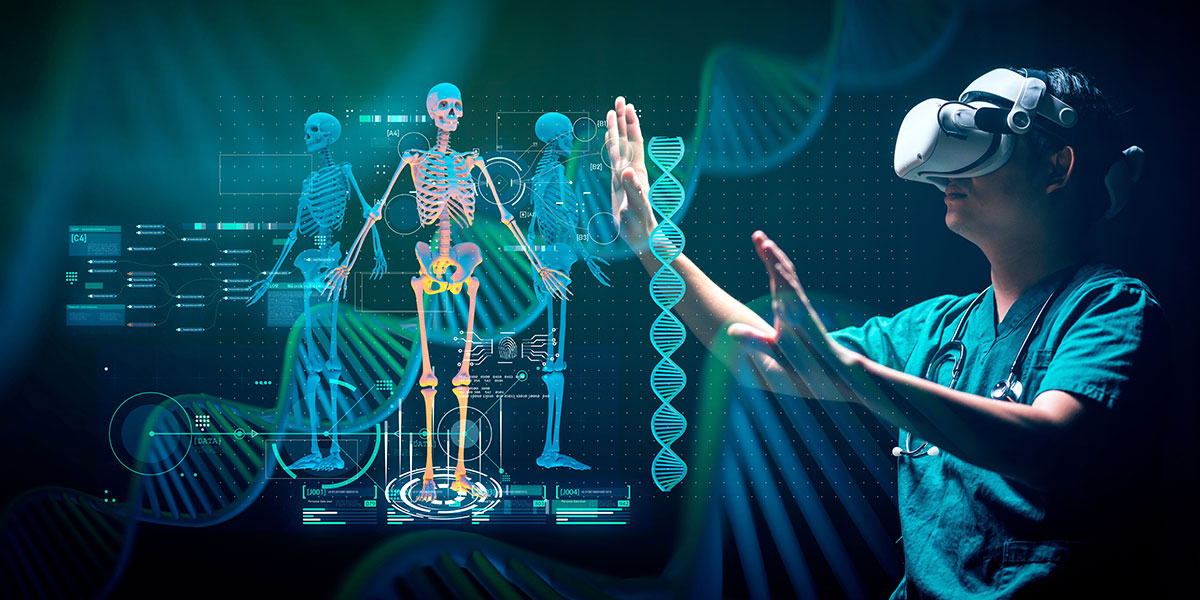
Online mental health care services provide a way for people to access psychiatric care remotely, and they use digital platforms to facilitate communication. Telehealth enables patients to connect with providers from home while participating in appointments online. Because these services integrate technology with professional support, they can help streamline scheduling, record-keeping, and follow-up interactions. Here are a few factors affecting the future of online mental health services:
Technology Expands Access
Technology enables mental health services to reach individuals in a broader range of locations. Telehealth platforms connect patients to psychiatric providers regardless of geographic location, and could be used by people who face mobility challenges. This approach facilitates access to care that might not be available locally and supports ongoing communication with providers.
Online mental health services also provide flexible scheduling options to accommodate different routines. Evening and weekend appointments are often available when traditional offices are closed, which can support people with work or caregiving responsibilities. By offering multiple ways to connect with providers, these services create adaptable options for participating in mental health care.
Improves Care Quality
Digital platforms organize the treatment process. Electronic health records give providers a way to review patient information, and they track progress over time. Because prescription management may be coordinated through digital ordering and pharmacy communication, administrative tasks are more streamlined.
Video consultations enable remote, face-to-face interactions. Providers can observe behavior and expressions during sessions while maintaining visual engagement with patients. Since these interactions include visual cues, they contribute to a personal connection that supports communication during appointments.
Comprehensive Services Available
Modern telehealth practices provide mental health services remotely. Video consultations enable psychiatric evaluations, and they allow providers to interact with patients without requiring office visits. Because these platforms offer a range of services, patients can access support for different needs from home. Some of the specialized services often include:
- PTSD treatment programs
- Bipolar disorder management
- Eating disorder support
- Substance use counseling
- Pediatric psychiatry services
Vulnerable Populations Benefit
Online mental care services reach underserved communities. Residents of group homes and transitional housing access specialized psychiatric care, and students in boarding schools can receive support away from home. Private video sessions create comfortable environments, which help encourage individuals to participate in sensitive discussions.
Integration with Traditional Care
Online services often complement existing healthcare systems. Electronic records integrate with primary care providers, and referrals between specialists occur seamlessly through digital platforms. Because these systems connect different providers, patient information can be shared efficiently across care teams.
Emergency protocols link patients to crisis resources when necessary. Telehealth platforms also maintain communication with local hospitals and urgent care facilities, providing additional support. This integration helps create safety nets for patients during acute mental health episodes.
Start with Online Mental Health Services
Artificial intelligence is being incorporated into telehealth platforms, and machine learning can analyze patterns in patient responses. Mobile health applications connect with these services, allowing users to record symptoms and track daily routines. Because real-time data provides additional information, providers can use it to support ongoing care more effectively. Explore online mental health care services today to learn how digital tools can assist with your overall well-being.