
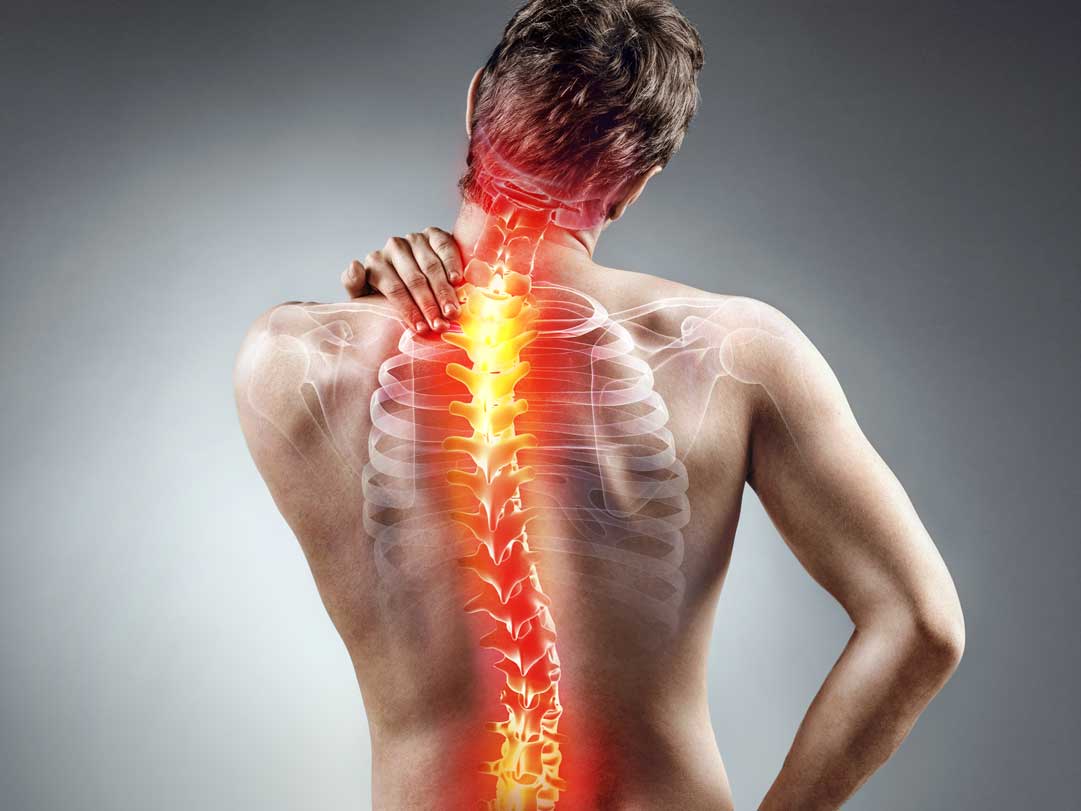
Spine surgery encompasses a range of procedures designed to address issues affecting the spinal column. These operations are typically reserved for severe back conditions when non-surgical treatments have not provided adequate relief. Here is some information about the role of spinal surgery in treating severe back conditions:
Restores Spinal Stability
Spinal instability occurs when vertebrae shift out of their normal alignment, which may happen due to injury, degenerative changes, or disease. This can lead to pain and put pressure on the spinal cord and nerves. It may also result in reduced mobility or difficulty with daily tasks.
A common surgical approach to addressing instability is spinal fusion. In this procedure, a surgeon joins two or more vertebrae together, creating a single, solid bone. This eliminates motion between the affected vertebrae, helping limit the progression of deformities. By stopping the movement, the fusion intends to prevent the vertebrae from shifting or moving abnormally.
Surgeons may use bone grafts, taken from the patient or a donor, along with plates, screws, or rods. This facilitates the fusion and holds the vertebrae in place. Someone with scoliosis, a condition that causes an abnormal curvature of the spine, may benefit from spinal fusion surgery to create a straighter, more stable spinal column.
Reduces Nerve Pain
Pain that radiates from the back into the arms or legs is often a result of nerve irritation. This type of pain can be sharp, shooting, or feel like an electric shock. When a spinal disc herniates or a bone spur develops, it may press on a nearby nerve and cause these symptoms. Spine surgery might be an option to relieve this pressure, especially if medications, physical therapy, and other conservative methods have not provided relief. Procedures such as a discectomy involve removing the part of the herniated disc that is compressing the nerve. A laminectomy creates more space for the nerves by removing a small portion of the vertebral bone. By directly addressing the source of the irritation, these operations help reduce the pain signals sent by the affected nerve.
Eliminates Nerve Root Compression
Nerve root compression happens when something physically presses on a nerve as it exits the spinal canal. Conditions like spinal stenosis, which is the narrowing of the spinal canal, are common causes of compression. Herniated discs and thickened ligaments can also cause nerve root compression. The pressure can lead to pain, numbness, tingling, sometimes affecting the arms, hands, legs, or feet.
Surgery aims to decompress the nerve root by removing anything causing the pressure, whether it is a bone spur, thickened ligament, or a portion of a bulging disc. By creating more room around the nerve, the procedure allows the nerve root to function without interference. This gives it a better opportunity to recover from the effects of long-term compression. Decompression surgeries are typically designed to restore nerve function and minimize the impact of chronic symptoms.
Learn More About Spine Surgery
Spine surgery targets specific structural problems in the spinal column that cause pain or limit function. These procedures may stabilize the spine, decrease nerve pain, and relieve pressure from compressed nerve roots. If you’re living with severe back pain or neurological symptoms that haven’t improved with conservative measures, seeking more information about spine surgery could be beneficial. Schedule a consultation with a spine doctor today to learn more about your treatment options.
- What Is the Difference Between an Orthopedist and an Orthopedic Surgeon?
- What Does an Orthopedic Traumatologist Do? Complete Guide
- What Is the Pathology of the Skin? A Complete Guide
- What Is Dermatology Practical and Conceptual? Everything You Need to Know
- How Can I Find Dermatologos Cerca de Mi Ubicación? Complete Guide