
Dermatology is a medical specialty dedicated to the diagnosis and treatment of conditions affecting the skin, hair, and nails. Within this field, various subspecialties address specific medical, surgical, and cosmetic concerns. Understanding the different specialties within dermatology helps individuals identify the appropriate type of care and make informed decisions about their skin health.
a. Medical Dermatology
Medical dermatology is the foundation of skin health services. This branch focuses on diagnosing and treating diseases of the skin, hair, and nails. Patients see dermatologists for common conditions such as acne, eczema, and psoriasis. They also visit for rosacea and fungal infections. These specialists are the main specialists for checking moles. They perform skin exams to detect skin cancer early.
Clinical dermatology uses physical exams and patient history. This helps determine the root cause of a symptom. Doctors in this field manage chronic conditions needing long-term care. They also handle acute issues like hives or infections. A key part of medical dermatology is patient education. Doctors teach patients how to care for their skin to prevent future flare-ups.
b. Cosmetic Dermatology
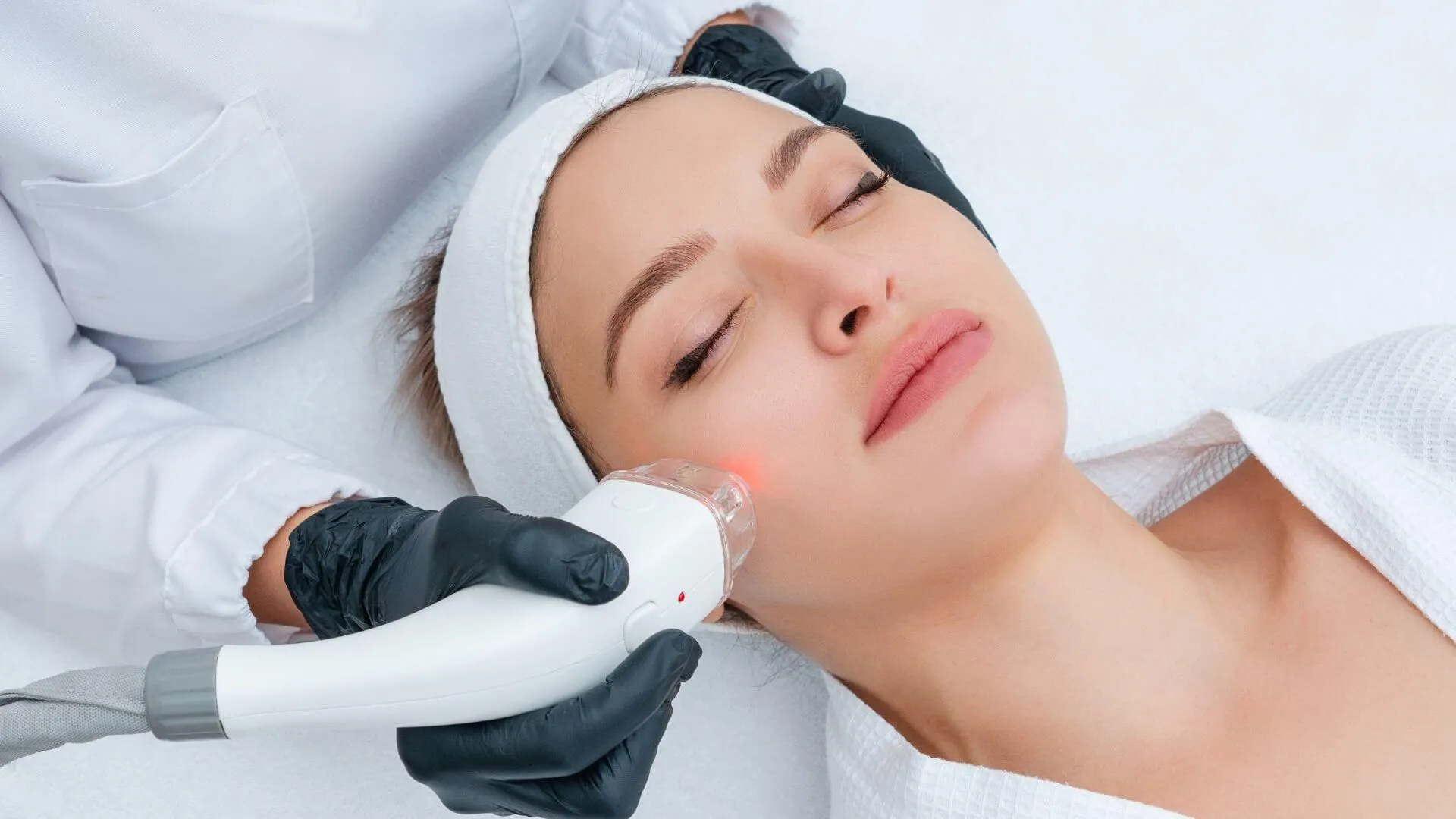
While medical dermatology focuses on health, cosmetic dermatology centers on improving the skin’s appearance. This specialty has grown in popularity due to new technologies. Non-invasive enhancements are now widely available. Patients seek these services to address wrinkles, volume loss, and sun spots. They also want to improve the uneven texture.
Cosmetic procedures include injectables like Botox and dermal fillers. They also involve treatments like laser hair removal and skin tightening. Doctors combine medical knowledge with an artistic eye. This helps them achieve natural-looking results. You might visit a specialist to smooth out fine lines. They also help with scarring from acne or surgery.
c. Surgical Dermatology
Surgical dermatology focuses on removing and repairing skin lesions. This field overlaps with medical dermatology but emphasizes procedural intervention. Surgeons in this specialty remove skin cancers, cysts, lipomas, and moles that are dangerous or irritating. It offers solutions for growths that creams or oral medications cannot treat.
Mohs surgery is a well-known procedure used to treat skin cancer while preserving healthy tissue. Surgical dermatologists are skilled in wound closure and reconstruction to reduce scarring after removing growths. If a biopsy shows malignancy needing wider excision, a surgical dermatologist can perform the procedure.
d. Pediatric Dermatology
Children are not miniature adults, and their skin behaves differently from adult skin. Pediatric dermatology diagnoses and treats skin conditions in infants, children, and teens. Common conditions include birthmarks, genetic skin disorders, warts, and severe diaper rashes. Pediatric dermatologists understand the unique physiology of young skin and use gentle, effective treatments.
Parents often seek these specialists for conditions that are hard to diagnose or manage. Severe eczema, for example, can disrupt a child’s sleep. Specialized care is often needed to relieve such conditions. Pediatric dermatologists use tools and techniques designed to reduce anxiety in children. They also work closely with families to understand how to administer treatments at home.
e. Dermatopathology
Dermatopathology is a specialty that works behind the scenes. It plays a significant role in skin care medicine. This field combines dermatology and pathology. It helps diagnose skin diseases at a microscopic level. A dermatologist may biopsy a suspicious mole or rash. They send the tissue sample to a dermatopathologist. These specialists examine cells to determine the nature of the condition. They can identify an inflammatory disease or a specific cancer.
A clinical dermatologist relies on the dermatopathologist’s report. This report helps determine the next steps in treatment. This microscopic analysis is necessary. It helps distinguish between conditions that look similar. These conditions may require vastly different treatments. Their collaboration is fundamental to an accurate diagnosis. You will likely not meet a dermatopathologist in person, but their expertise guides the course of your care.
Schedule a Dermatology Consultation Today
Navigating the various branches of dermatology makes sure that you find the right provider for your specific concerns. Whether you require a routine medical exam, a surgical procedure, or cosmetic skin treatment services, choosing a qualified team is key to achieving optimal skin health. Find a skin treatment service that offers a comprehensive range of services led by board-certified dermatologists who prioritize patients’ well-being.
- What Is the Difference Between an Orthopedist and an Orthopedic Surgeon?
- What Does an Orthopedic Traumatologist Do? Complete Guide
- What Is the Pathology of the Skin? A Complete Guide
- What Is Dermatology Practical and Conceptual? Everything You Need to Know
- How Can I Find Dermatologos Cerca de Mi Ubicación? Complete Guide