
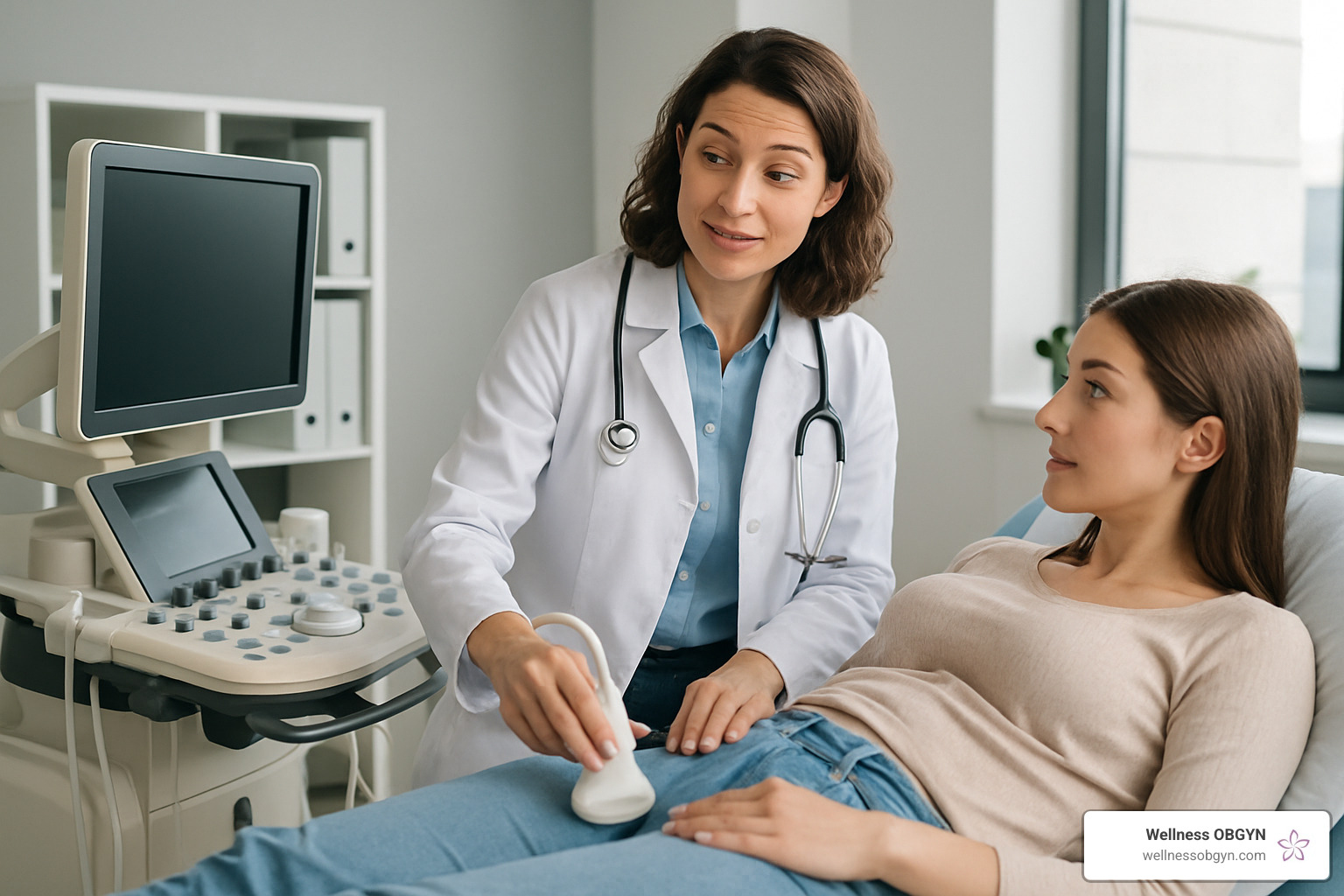
A gynecologist plays a significant role in supporting and maintaining women’s health through every life stage. From reproductive care to pregnancy support, gynecologists provide comprehensive care tailored to each patient’s unique needs. Here’s more information about the significant role of a gynecology doctor in women’s health:
What Does a Gynecologist Do?
A gynecologist has several fundamental responsibilities related to female reproductive health. They diagnose and treat conditions affecting the reproductive organs, including the uterus, ovaries, fallopian tubes, and breasts. Their duties involve performing physical examinations, such as pelvic exams and Pap smears, to screen for abnormalities.
These specialists also provide counseling on contraception, family planning, and sexual health. They manage menstrual disorders, address fertility issues, and guide patients through menopause. When necessary, these doctors perform surgical procedures, for instance, the removal of ovarian cysts.
When Should You Visit One?
There are several reasons to schedule an appointment with a gynecologist. Annual well-woman exams are recommended for preventive care, even if you have no specific concerns. These visits are an opportunity to screen for potential health issues before they become serious problems. You should visit a gynecologist if you experience certain symptoms. Contemplate scheduling an appointment for any of the following reasons:
- Irregular, painful, or heavy menstrual periods
- Unusual pelvic pain or discomfort
- Questions or concerns about birth control
- Symptoms of sexually transmitted infections (STIs)
- Issues related to pregnancy or fertility
- Changes in breast tissue or nipple discharge
- Symptoms associated with menopause
Addressing these concerns with a qualified gynecologist enables individuals to receive prompt management of their reproductive health and overall well-being.
Why Are Regular Checkups Necessary?
Regular gynecological check-ups are a key component of maintaining reproductive health and detecting potential issues early. Here are some of the key reasons why these appointments are necessary:
- Prevention and early detection: Regular exams can help identify conditions such as cervical cancer, ovarian cysts, or sexually transmitted infections in their early stages.
- Monitoring menstrual health: Assessments provide insights into irregular or heavy periods, which may indicate underlying issues.
- Family planning support: Gynecologists can offer guidance on birth control options, fertility concerns, and pregnancy planning.
- Menopause management: Routine visits help to address symptoms related to menopause, including hormonal changes and bone health concerns.
- Breast health evaluations: Gynecologists perform exams to detect changes in breast tissue or early signs of breast-related illnesses.
Attending regular visits with a gynecologist helps individuals take proactive steps in safeguarding their reproductive and overall health.
What Strengthens Doctor–patient Trust?
A trusting relationship with your gynecology doctor is helpful for receiving quality care. Open communication allows you to share your health concerns without hesitation, which helps your doctor make an accurate diagnosis. It is key to find a provider who listens to you and makes you feel comfortable. When you trust your gynecologist, you are more likely to follow their medical advice and attend regular appointments. Make sure to ask questions during your visit and provide honest feedback about your health.
Schedule your gynecologist appointment today
Establishing a trusting relationship with your gynecologist is fundamental for maintaining your overall health. Finding a provider who listens, values your concerns, and supports your comfort enables open communication and proactive healthcare decisions. Contact a trusted gynecologist in your area to schedule your appointment today.
- What Is the Difference Between an Orthopedist and an Orthopedic Surgeon?
- What Does an Orthopedic Traumatologist Do? Complete Guide
- What Is the Pathology of the Skin? A Complete Guide
- What Is Dermatology Practical and Conceptual? Everything You Need to Know
- How Can I Find Dermatologos Cerca de Mi Ubicación? Complete Guide