
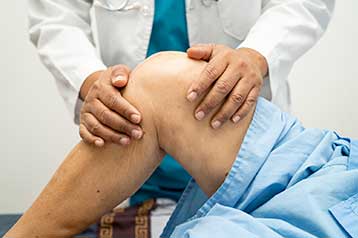
The field of orthopedics continuously evolves, seeking new ways to manage musculoskeletal conditions and injuries. One area of development is biologic therapy, which harnesses substances derived from the human body to support its natural healing mechanisms. This approach provides a distinct perspective on treating various orthopedic issues, moving beyond traditional methods by focusing on the body’s inherent potential for recovery.
What Is Biologic Therapy?
Biologic therapy involves using substances sourced directly from human tissues. The goal is to use these biological materials to potentially aid the body’s own healing and regenerative responses in areas affected by injury or disease. Unlike synthetic drugs or conventional surgical interventions, biologics are composed of products that originate from the body itself.
These substances can be obtained from several sources, each containing different components that may influence the healing environment. Common sources include:
- Blood: Platelet-rich plasma (PRP) is derived from a patient’s own blood. It contains a high concentration of platelets, which release growth factors that play a role in the body’s natural healing cascade.
- Bone Marrow: Bone marrow aspirate concentrate (BMAC) is taken from a patient’s bone marrow. This substance contains a variety of cells, including stem cells, that are involved in tissue repair.
- Amniotic and Umbilical Cord Tissues: Products derived from amniotic fluid, amniotic membrane, and umbilical cord tissue are also used. These materials may help manage inflammation and support tissue repair.
The specific composition of each biologic product guides its potential application in orthopedic care.
What Can It Treat?
Biologic therapies are being explored for a wide range of orthopedic conditions affecting various joints and soft tissues. Their use is based on the principle of supplementing the body’s natural repair processes, particularly in areas with limited blood flow or chronic inflammation. The application of these therapies is determined following a thorough evaluation by an orthopedic specialist.
Some conditions where biologic therapy may be applied include:
- Joint Conditions: Osteoarthritis is a primary area of investigation for biologics, particularly in the hip and knee.
- Tendon and Ligament Injuries: Chronic tendinitis, such as rotator cuff tendinitis in the shoulder or patellar tendinitis in the knee, may be managed with biologic treatments.
- Other Soft Tissue Conditions: Conditions such as bursitis, which is inflammation of the fluid-filled sacs that cushion joints, and meniscal or labral tears in the knee and hip may also be addressed.
Patient candidacy is a key factor. An orthopedic provider will assess the specific injury, its severity, the patient’s overall health, and previous treatments before recommending this course of action.
What Does It Involve?
The process for biologic therapy is typically performed in an outpatient setting and involves several distinct steps. If using the patient’s own tissue, such as for PRP or BMAC, a sample of blood or bone marrow is collected for processing. This sample is then processed, often using a centrifuge, to concentrate the desired cells and growth factors. Once the biologic product is ready, the orthopedic provider will administer it to the targeted area.
Following the injection, patients receive specific instructions for post-procedure care. Patients should maintain realistic expectations, as outcomes can vary. As with any medical procedure, there are potential risks, which a provider will discuss in detail.
Seek Professional Orthopedic Care
An accurate diagnosis from a qualified orthopedic specialist is the first step toward developing a suitable and effective care plan. These medical professionals have the experience to evaluate your condition and explain the potential benefits of each treatment option. If you are experiencing joint or soft tissue problems, scheduling a consultation with an orthopedic provider can help you receive a comprehensive assessment and personalized recommendations for your health.
- What Is the Difference Between an Orthopedist and an Orthopedic Surgeon?
- What Does an Orthopedic Traumatologist Do? Complete Guide
- What Is the Pathology of the Skin? A Complete Guide
- What Is Dermatology Practical and Conceptual? Everything You Need to Know
- How Can I Find Dermatologos Cerca de Mi Ubicación? Complete Guide