
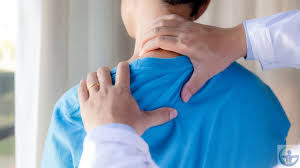
Pain management is a branch of medicine that uses a variety of approaches to ease discomfort and improve the quality of life for those living with chronic pain. It involves a multidisciplinary strategy tailored to a person’s specific needs. The goal is to help individuals manage their discomfort through different methods. Here is some information about the role of pain management techniques in daily life:
Decreases Medication Reliance
Incorporating non-pharmacological pain management techniques offers an alternative or supplement to traditional pain medications. This approach may reduce the need for certain drugs. Physical therapy strengthens muscles and improves flexibility, which might alleviate pain sources directly. Physical therapists create tailored programs that help individuals regain strength with gradual, manageable exercises. Over time, these regimens promote muscle stability and joint support, which may help address the root of discomfort.
Options that avoid traditional medication also include Platelet-Rich Plasma (PRP) therapy and Radiofrequency (RF) ablation. PRP uses your body’s own healing power; your blood is processed to concentrate beneficial growth factors, which are then injected into an injured area to encourage natural repair. RF ablation uses targeted heat to temporarily disrupt nerve pathways that transmit pain signals, providing longer-lasting relief for some types of chronic pain.
With these methods, individuals have more tools available to manage day-to-day discomfort. The diversification of treatment offers a more comprehensive approach to managing chronic pain conditions. It’s possible to support daily function while minimizing reliance on medications that may have side effects or risks with long-term use.
Enhances Long-Term Management
Chronic pain requires a sustainable, long-term approach rather than a temporary fix. Pain management techniques are designed to provide ongoing support for individuals with persistent discomfort. Advanced techniques like prolotherapy and neuromodulation offer focused strategies for long-term management. Prolotherapy involves injections designed to stimulate your body’s natural healing processes in damaged ligaments or tendons; this aims to strengthen these tissues and reduce persistent pain. Neuromodulation techniques, such as spinal cord stimulation, use mild electrical signals to modify nerve activity and interrupt pain signals to the brain. These treatments can be tailored to your needs, providing a personalized way to address chronic discomfort.
A continuous management plan also adapts over time. As a person’s condition changes, their pain management specialist can adjust the techniques and therapies to better suit their current needs. This promotes a consistent level of function and supports a stable daily routine.
Improves Mobility and Function
Persistent pain often limits a person’s ability to move freely and perform daily activities. Tasks like reaching overhead, gardening, or lifting groceries can become difficult because of discomfort or stiffness. A key objective of pain management is to restore mobility and improve physical function. Gentle exercises help build strength and increase the range of motion without straining the body. Aquatic therapy uses the buoyancy of water to reduce joint pressure, making movement less painful while offering effective resistance. Stretching routines support flexibility in muscles and joints, making daily tasks more comfortable. An increase in mobility allows for greater independence. Restoring minor aspects of movement creates more opportunities for social interaction and self-care. This has a positive effect on a person’s overall well-being and daily life.
Visit a Pain Management Specialist
A pain management specialist can perform a thorough evaluation to understand your specific condition. They will work with you to develop a personalized treatment plan that incorporates techniques suited to your needs and lifestyle. Taking active steps to address pain may help you maintain your independence and participate more fully in daily routines. Schedule a consultation with a specialist to discuss your goals and treatment options today.
- What Is the Difference Between an Orthopedist and an Orthopedic Surgeon?
- What Does an Orthopedic Traumatologist Do? Complete Guide
- What Is the Pathology of the Skin? A Complete Guide
- What Is Dermatology Practical and Conceptual? Everything You Need to Know
- How Can I Find Dermatologos Cerca de Mi Ubicación? Complete Guide