
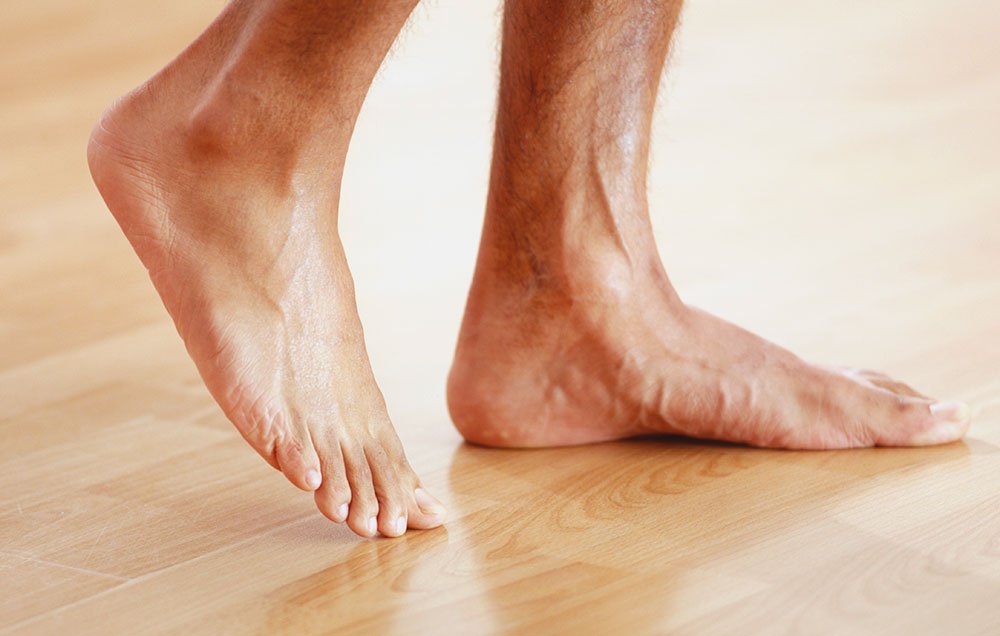
Living with flat feet, a condition where the arches of the feet are lower than typical, can sometimes lead to discomfort in the feet, ankles, and lower legs. Many people with flat feet experience no issues, but for those who do, several management options are available. These approaches aim to provide support and alleviate strain associated with the condition. Understanding these treatments can help you manage any related symptoms.
Orthotics
Orthotics are inserts placed inside shoes to help support the arch of the foot. They are a common starting point for managing discomfort from flat feet. These devices can help distribute pressure more evenly across the bottom of the foot while walking or standing.
You can find orthotics over the counter at many stores, or you can have them custom-made. Custom orthotics are designed from a mold of your feet, offering a precise fit and targeted support. While over-the-counter options are more accessible, custom devices may offer greater correction and comfort for some individuals. A specialist can help determine the most suitable type for your specific needs.
Physical Therapy
Physical therapy offers a structured approach to managing symptoms associated with flat feet. A physical therapist can guide you through specific exercises designed to stretch and strengthen the muscles and tendons in your feet and lower legs. This can improve foot mechanics and provide better arch support.
A therapist may recommend a variety of exercises tailored to your condition. Common exercises include:
- Heel cord stretching: This involves stretching the Achilles tendon and calf muscles, which can become tight.
- Towel curls: Sit with your foot flat on a towel, then use your toes to scrunch it toward you. This exercise strengthens the muscles on the bottom of your foot.
- Arch lifts: While keeping your toes and heel on the ground, you raise the arch of your foot. This exercise isolates and strengthens the muscles that support the arch.
These exercises, when performed regularly, can help improve foot function and reduce discomfort. A physical therapist will create a personalized plan and show you the correct way to perform each movement. This guidance helps you get the most benefit from your routine.
Surgery
When flat feet are caused by a specific structural issue, such as a torn tendon or a bone problem, surgery may be an option. Surgical procedures are generally reserved for situations where more conservative treatments have not provided relief and the condition significantly impacts daily life. The goal of surgery is to correct the underlying anatomical problem.
The type of surgical procedure depends on the cause and severity of the flat feet. Options can range from repairing a tendon to fusing certain joints in the foot to create a more stable arch. Recovery from surgery requires a period of rest and rehabilitation, often involving physical therapy to regain strength and mobility.
Consult a Flat Feet Specialist
A specialist, such as a podiatrist, can provide a thorough evaluation of your feet and walking pattern. They can accurately diagnose the cause of your discomfort and discuss a personalized management plan with you. If you are experiencing persistent discomfort from flat feet, seeking professional guidance is a proactive step toward finding relief. Schedule an appointment with a specialist to explore the best path forward for your foot health.
- What Is the Difference Between an Orthopedist and an Orthopedic Surgeon?
- What Does an Orthopedic Traumatologist Do? Complete Guide
- What Is the Pathology of the Skin? A Complete Guide
- What Is Dermatology Practical and Conceptual? Everything You Need to Know
- How Can I Find Dermatologos Cerca de Mi Ubicación? Complete Guide