
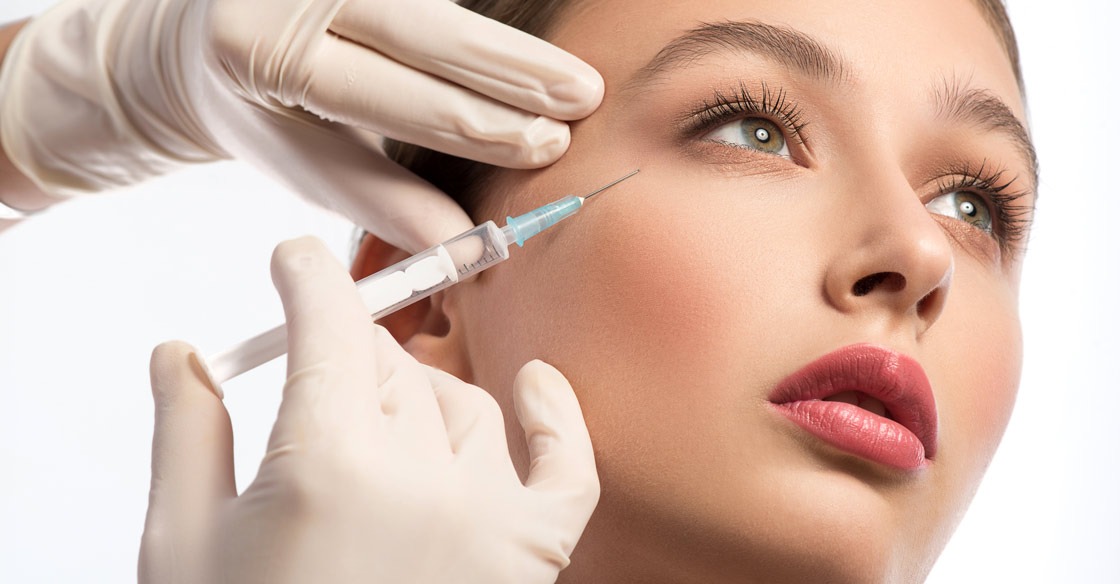
Botox is a substance used in small doses for cosmetic and medical purposes, serving both aesthetic and health benefits. When administered by a trained professional, it targets the nervous system, disrupting nerve signaling that stimulates muscle contraction. Here is what you need to know about this treatment method:
Relaxes Tissues
Botox injections block specific chemical signals from nerves, which cause muscles to contract. A typical use of these injections is to temporarily relax the facial muscles that cause wrinkles in the forehead and around the eyes. While the primary effect is muscle relaxation, this process occurs over several days following treatment. The targeted muscles move less, which makes the skin above appear smoother.
The neurotoxin achieves this effect by preventing the release of a neurotransmitter responsible for communication between nerve cells and muscles. This interruption is localized to the injection site, so it affects only the muscles that contribute to specific lines and wrinkles. The body naturally metabolizes the substance over time, so the muscle action gradually returns.
Stimulates Cell Growth
The effects of botulinum toxin are not limited to muscle relaxation alone. Some people use it repeatedly, which can alter the behavior of fibroblasts that produce collagen and elastin. Collagen provides skin with its firmness, while elastin provides it with its elasticity.
When botulinum toxin is injected, it relaxes the underlying muscle, and it may influence cell activity. This change may lead to increased production of these key structural proteins. The skin in the treated area becomes more flexible and resilient, as new collagen and elastin fibers provide improved support.
This stimulation of cellular activity contributes to the skin’s overall texture and appearance, complementing the effects of muscle relaxation. The skin is not just smoother due to reduced muscle movement; it also possesses an improved underlying structure. Over time, these cellular changes may help maintain the skin’s condition, even as the neurotoxin’s direct effects on the muscle wear off.
Reduces Lines
The reduction of lines is a direct result of the muscle relaxation that Botox induces. When facial muscles contract repeatedly, they form grooves beneath the skin’s surface, and these grooves eventually become wrinkles. Botulinum toxin works by temporarily paralyzing these muscles, which softens the appearance of existing lines and limits the formation of new ones. Typical areas for treatment include:
- Crow’s feet around the eyes
- Frown lines between the eyebrows
- Horizontal forehead lines
By limiting the muscle contractions that cause dynamic wrinkles, the skin has an opportunity to smooth out. The treatment is most effective on wrinkles that appear with facial expressions, although it may also soften static wrinkles present at rest. The process is gradual, and the full effect on lines is typically visible within one to two weeks.
Treats Migraines
Beyond cosmetic applications, botulinum toxin is used for chronic migraine headaches. This treatment is for adults who have multiple headaches that each last at least four hours.. The mechanism of migraine relief differs from its cosmetic use, although the exact process remains unclear. It is believed to work by blocking pain signals from reaching the brain.
Schedule Botox Treatment Today
Understanding the functions of botulinum toxin is the first step toward understanding its potential uses. A consultation with a qualified provider will offer personalized information based on your individual circumstances and health profile. Schedule a meeting with a medical center to discuss your questions and determine an appropriate course of action.
- What Is the Difference Between an Orthopedist and an Orthopedic Surgeon?
- What Does an Orthopedic Traumatologist Do? Complete Guide
- What Is the Pathology of the Skin? A Complete Guide
- What Is Dermatology Practical and Conceptual? Everything You Need to Know
- How Can I Find Dermatologos Cerca de Mi Ubicación? Complete Guide