
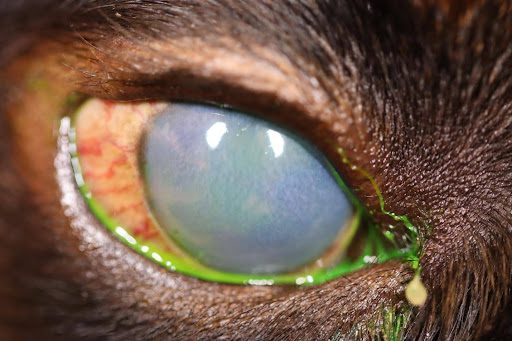
Glaucoma is an eye condition that damages the optic nerve due to increased eye pressure. Recognizing the warning signs and risk factors is key to early detection and prevention of vision loss. Here’s what you need to know about glaucoma symptoms and when to seek professional eye care:
Learning How Glaucoma Impacts Sight
Glaucoma refers to a group of eye conditions that damage the optic nerve, which connects your eye to your brain. This damage occurs when fluid builds up in the front part of the eye, increasing internal pressure. Without treatment, this eye condition gradually narrows your field of vision. You may not notice these changes at first because peripheral vision tends to go first. When central vision is affected, significant optic nerve damage has already taken place
Identifying the Early Warning Signs
Most forms of glaucoma don’t cause symptoms in the early stages. Open-angle glaucoma, the most common type, usually progresses slowly without pain or obvious vision changes until the disease is advanced. This makes regular eye exams helpful for detecting the condition early. Some types do produce noticeable symptoms, which include the following:
- Severe eye pain
- Intense headaches
- Blurred vision
- Seeing halos around lights
- Red eyes
- Nausea or vomiting
- Patchy blind spots in peripheral or central vision
- Tunnel vision in advanced stages
Any sudden vision changes or eye pain should prompt you to seek medical care right away.
Assessing Risk for Glaucoma Development
Certain populations are at a higher risk of developing glaucoma. These risk factors include the following:
- Age over 60, with risk increasing as you get older.
- A family history of glaucoma indicates a genetic predisposition.
- Being of African, Asian, or Hispanic descent, particularly for specific types of glaucoma.
- Pre-existing medical conditions, such as diabetes, high blood pressure, or heart disease.
- Previous eye injuries that may have damaged the optic nerve.
- Prolonged use of corticosteroids, especially in eye-drop form.
- Severe nearsightedness or farsightedness increases susceptibility.
- Thin corneas.
If you fall into one or more of these categories, it is fundamental to have regular eye examinations to detect early signs of glaucoma.
Exploring Diagnosis and Treatment Options
Diagnosing glaucoma involves several tests that measure different aspects of eye health. An eye pressure test (tonometry) measures the pressure inside your eye. A visual field test checks your peripheral vision to detect blind spots. Optical coherence tomography (OCT) uses light waves to create detailed images of your optic nerve, revealing damage or changes over time. A dilated eye exam allows your doctor to examine the optic nerve directly.
While glaucoma can’t be cured, several treatments can slow or stop its progression. Prescription eye drops can help fluid drain from your eye or reduce the amount of fluid your eye produces. Laser therapy offers another treatment approach. This procedure uses a focused beam of light to improve drainage in your eye, reducing pressure. When eye drops and laser therapy aren’t sufficient, surgery may be recommended. Surgical procedures create new drainage pathways or adjust existing ones to lower eye pressure more effectively.
Get Screened for Glaucoma Today
Early detection makes all the difference in glaucoma. Regular comprehensive eye exams can detect this eye condition in its earliest stages, when treatment is most effective at preserving your vision. Contact a qualified eye care specialist near you to schedule your consultation and get screened for glaucoma today.
- What Is the Difference Between an Orthopedist and an Orthopedic Surgeon?
- What Does an Orthopedic Traumatologist Do? Complete Guide
- What Is the Pathology of the Skin? A Complete Guide
- What Is Dermatology Practical and Conceptual? Everything You Need to Know
- How Can I Find Dermatologos Cerca de Mi Ubicación? Complete Guide