
Podiatrists are medical specialists who diagnose and treat conditions of the foot, ankle, and related leg structures. When foot issues arise, knowing when to seek their expertise is a key step toward addressing the problem. Here are several scenarios where a visit to a podiatrist may be recommended:
Pain That Worsens With Activity
Persistent foot pain that intensifies when you move is a clear signal to consult a specialist. This type of discomfort may indicate an underlying structural issue, or it could be related to inflammation. Conditions like stress fractures, plantar fasciitis, or tendonitis often present with pain that increases during physical activities.
Ignoring this pain might lead to further complications, so addressing it early is a practical approach. You might notice pain in specific areas, and it may feel sharp, dull, or aching. A podiatrist has the tools and training to accurately evaluate these symptoms. They will assess your foot’s mechanics while you are standing and walking to understand how your movement affects the pain.
Difficulty Walking
Changes in your ability to walk comfortably warrant a professional evaluation. You may find yourself altering your gait to avoid pain, which can lead to secondary problems in your knees, hips, or back. A podiatrist can evaluate the mechanics of your walk through gait analysis. This assessment helps pinpoint the root cause of your difficulty. Many conditions can affect your gait, and these might include:
- Arthritis
- Bunions
- Neuropathy
- Flat feet
A podiatrist will examine your feet, review your medical history, and observe how you walk. While you might try to manage on your own, a specialist can offer a more targeted approach. Getting a professional opinion provides clarity on what is causing the issue and what steps you can take.
Sports Injuries
Athletes frequently place immense stress on their feet and ankles, making them susceptible to a range of injuries. A podiatrist specializes in managing these types of conditions. Standard sports-related foot injuries include ankle sprains, Achilles tendonitis, and shin splints. These issues may result from overuse or improper foot mechanics during athletic activity, leading to injury.
A proper diagnosis is the first step toward recovery, and a podiatrist is equipped to provide one. They understand the specific demands that different sports place on the body. A specialist can evaluate your injury and biomechanics to identify the underlying cause.
After an evaluation, they can develop a plan tailored to your specific situation and sport. This might involve recommendations for specific footwear, taping techniques, or exercises. Working with a podiatrist helps athletes recover and understand how to maintain foot health.
Wounds That Don’t Heal
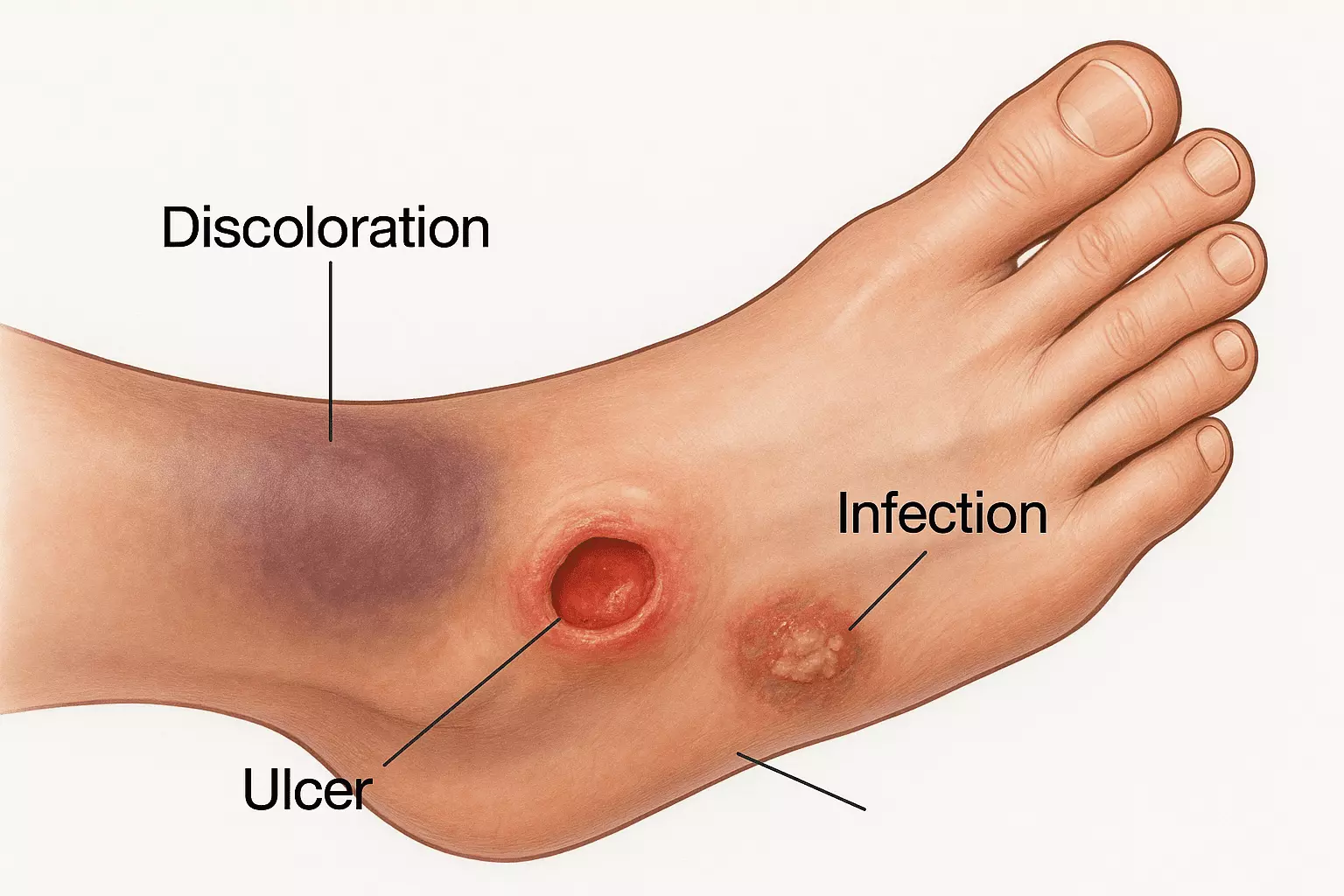
Any sore or wound on your foot that is slow to heal requires immediate medical attention, particularly for individuals with certain health conditions like diabetes. A non-healing wound is a sign that there may be an underlying issue with circulation or nerve function. Podiatrists are trained to manage and treat complex foot wounds to prevent infection and other serious complications. They can clean the wound, apply appropriate dressings, and determine the cause of the delayed healing.
Visit a Podiatrist
Recognizing the signs that indicate a need for specialized foot care is a proactive step for your overall well-being. From persistent pain and difficulty walking to sports injuries and slow-healing wounds, a podiatrist has the expertise to diagnose and manage a wide range of foot and ankle problems. Do not wait for a minor issue to become a major one. If you are experiencing any of the symptoms discussed, schedule an appointment with a podiatrist to get a professional evaluation.
- What Is the Difference Between an Orthopedist and an Orthopedic Surgeon?
- What Does an Orthopedic Traumatologist Do? Complete Guide
- What Is the Pathology of the Skin? A Complete Guide
- What Is Dermatology Practical and Conceptual? Everything You Need to Know
- How Can I Find Dermatologos Cerca de Mi Ubicación? Complete Guide