
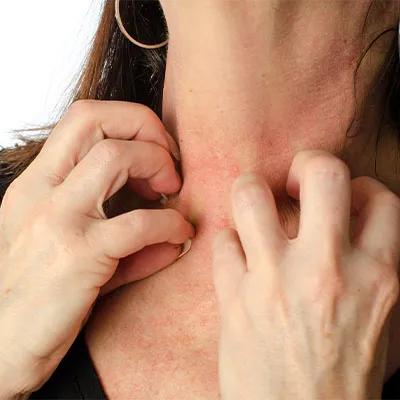
Allergies and skin reactions can range from minor irritations to serious medical issues. Knowing when to get professional help is key to managing your symptoms effectively and preventing complications. Some reactions may resolve on their own, while others need prompt medical attention at an urgent care facility. Here is some information to help you understand when your allergy or skin reaction needs urgent care, what to expect, and how to prepare.
Recognizing Severe Allergic Reactions
Severe allergic reactions, known as anaphylaxis, require immediate medical attention. These reactions can occur within minutes of exposure to an allergen and may be life-threatening if left untreated. Visit urgent care immediately if you experience any of these symptoms:
- Difficulty breathing or wheezing
- Swelling of the face, lips, tongue, or throat
- Dizziness or loss of consciousness
- Chest tightness or pain
- Nausea, vomiting, or diarrhea
- Widespread hives or rash
If you have a known severe allergy and carry an epinephrine auto-injector, use it right away and then seek emergency care. The medication provides temporary relief, but medical supervision is still necessary to monitor your condition and prevent a secondary reaction.
Identifying Concerning Skin Reactions
Not all skin reactions require urgent care, but some symptoms warrant professional evaluation. Blistering, peeling, or infection signs, like warmth, pus, or increasing redness, indicate a potentially serious reaction beyond simple irritation. Other red flags include severe itching disrupting daily life or sleep, a rapidly spreading rash, or an accompanying fever. These signs suggest a condition that may need prompt attention.
Serious skin issues like severe contact dermatitis, medication reactions, or cellulitis can present with these symptoms and often require medical treatment. Pain or tenderness in the affected area is another indicator that the reaction may require professional care. If you notice any of these signs, seeking urgent evaluation can help prevent complications and allow for proper treatment.
Understanding Common Triggers
Allergies and skin reactions can come from many different sources. Identifying what’s causing your symptoms is the first step toward preventing them in the future. Knowing the common triggers can help you connect your reaction to a specific cause, which is valuable information for your healthcare provider.
Many everyday things can cause an allergic reaction. If you notice symptoms after exposure to a new substance, it’s a good idea to keep a record of them. This can help you and your provider pinpoint the exact cause. Common allergens and skin irritants include:
- Foods: Peanuts, shellfish, eggs, and dairy are frequent culprits.
- Medications: Some people react to antibiotics or pain relievers.
- Environmental Factors: This includes insect stings, pollen, pet dander, and plants like poison ivy.
- Chemicals and Materials: Harsh cleaning products, cosmetics, fragrances, latex, or nickel in jewelry can cause skin reactions.
If you believe one of these triggers caused your symptoms, be sure to share this information during your urgent care visit. It will help your provider create the most effective treatment plan for you.
Know When to Visit Urgent Care
Urgent care facilities are well-equipped to handle many allergic reactions and skin conditions, providing treatments like antihistamines, corticosteroids, or topical creams to relieve your symptoms. They will also advise you on follow-up care and any warning signs that require immediate medical attention. Understanding when to seek help for allergies and skin reactions empowers you to make informed decisions and get the care you need without delay.
- What Is the Difference Between an Orthopedist and an Orthopedic Surgeon?
- What Does an Orthopedic Traumatologist Do? Complete Guide
- What Is the Pathology of the Skin? A Complete Guide
- What Is Dermatology Practical and Conceptual? Everything You Need to Know
- How Can I Find Dermatologos Cerca de Mi Ubicación? Complete Guide