
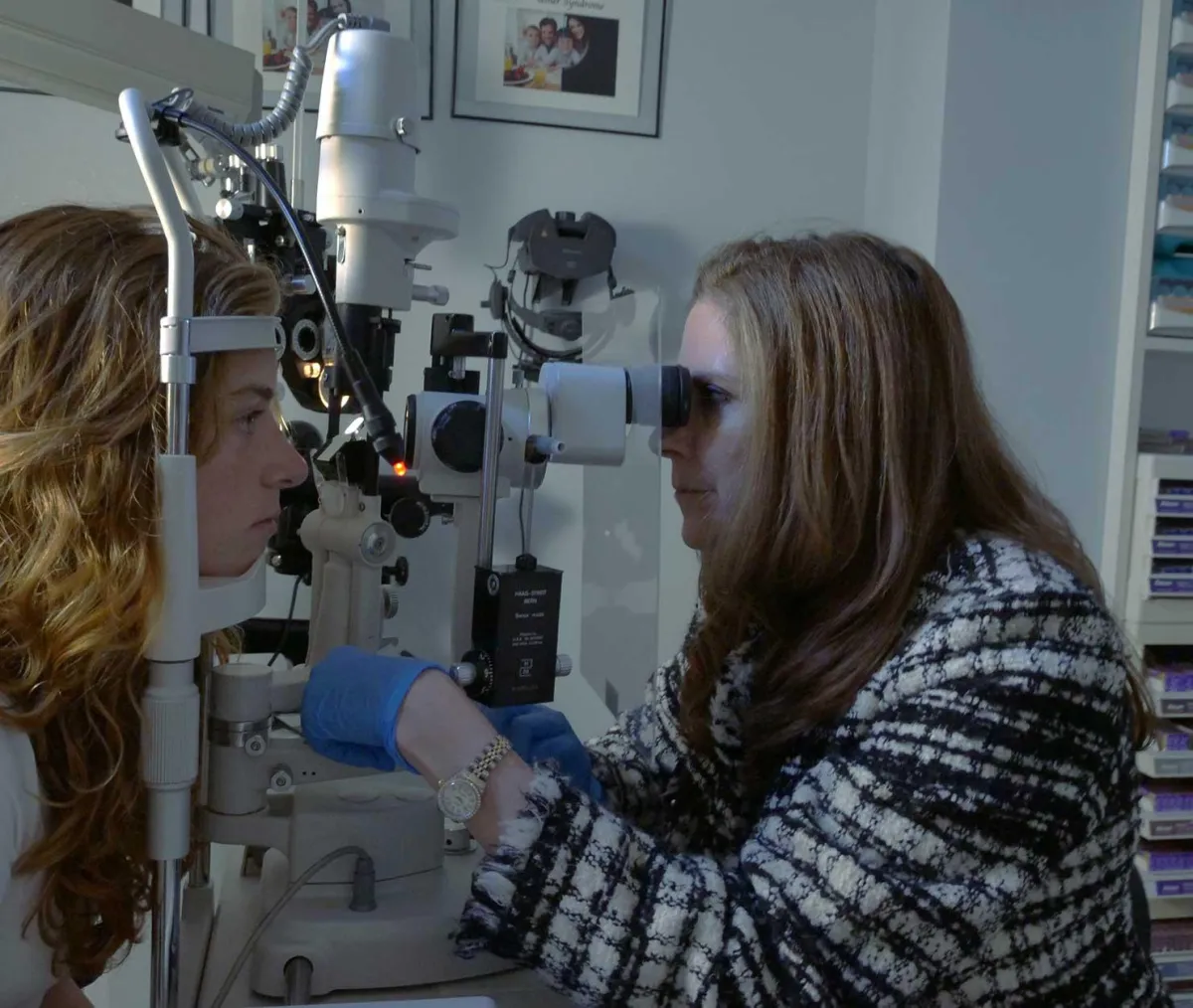
Creating a plan for your eye care helps organize your approach to vision health, and this involves several steps you can take. By developing a structured plan, you can find a clear path for managing your eye health over time. Taking care of your eyes is a continuous process. Here is more information about how to create an effective eye care plan:
Schedule Regular Checkups
Visiting an eye doctor for regular examinations is a key part of any eye care plan. These appointments allow a professional to assess your vision, and you typically receive a thorough evaluation during your visit. To check for changes in your eyesight and overall eye health, an eye doctor performs tests.
Your age and health profile will help determine how often you need to schedule these visits. While many people go annually, your doctor might suggest a different frequency. You should discuss your personal health history with your provider, and they will recommend a suitable schedule for you.
Follow the Doctor’s Guidance
After your appointment, it is beneficial to follow the recommendations from your eye doctor. Adhering to the treatment plan is part of managing your eye care. Your doctor gives you specific instructions based on your examination, so following them is a practical next step. This might include using prescribed eye drops, performing eye exercises, or getting new corrective lenses.
Eat a Balanced Diet
A balanced diet contributes to your overall well-being, and this includes your eyes. Adding certain nutrients to your meals is helpful, as many foods contain vitamins and minerals that support eye structures. You can incorporate these foods into your daily eating habits.
Some foods to include are:
- Leafy green vegetables like spinach and kale
- Oily fish such as salmon and tuna
- Healthy fruits and berries
To provide a range of nutrients, eat a variety of these foods. A healthy diet can make a difference, and it is a practical component of your comprehensive eye care plan.
Protect Your Eyes
Protecting your eyes from environmental factors is another part of a complete care plan. Since the sun emits ultraviolet (UV) rays, prolonged exposure can affect your eyes. You can wear sunglasses that block UV light when you are outdoors. This simple habit helps shield your eyes from the sun.
You also face potential eye strain from digital screens. Many people spend hours looking at computers, phones, and tablets, which can lead to pain. Following the 20-20-20 rule offers a break for your eyes. Every 20 minutes, you look at something 20 feet away for 20 seconds. This practice can reduce eye fatigue.
Workplace and home environments may present physical risks to your eyes. Activities like construction, yard work, or certain sports may require safety glasses or goggles. You wear protective eyewear to prevent injury from debris or impact. Taking these precautions is a direct way to protect your vision during various activities.
Schedule Eye Care Today
Taking action is the final step in creating your eye care plan, so you have the information to build a strategy that works for you. Start the process now, and take the first step by scheduling an eye exam. Contact an eye specialist to schedule your next appointment.
- What Is the Difference Between an Orthopedist and an Orthopedic Surgeon?
- What Does an Orthopedic Traumatologist Do? Complete Guide
- What Is the Pathology of the Skin? A Complete Guide
- What Is Dermatology Practical and Conceptual? Everything You Need to Know
- How Can I Find Dermatologos Cerca de Mi Ubicación? Complete Guide