
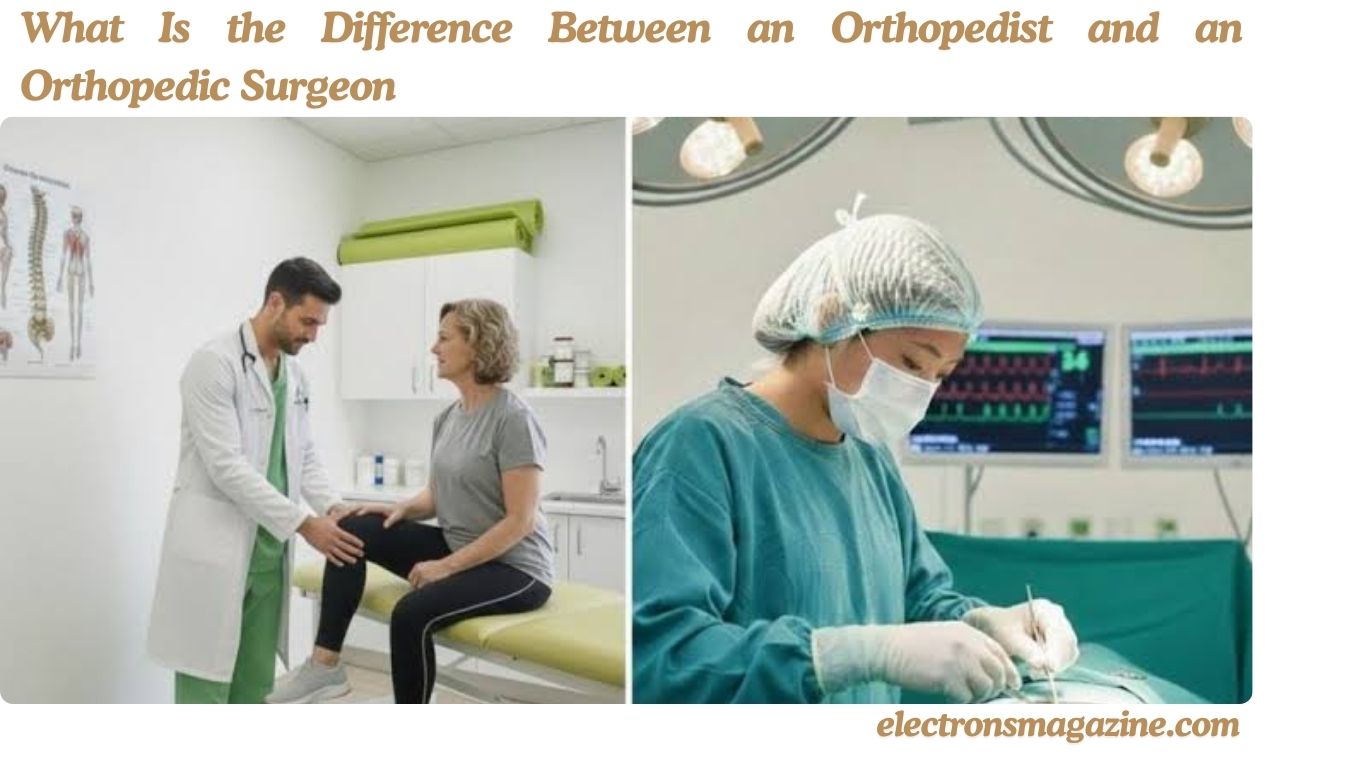
An orthopedic surgeon is a physician who specializes in the diagnosis and treatment of musculoskeletal conditions and has extensive training in orthopedic surgery.
An orthopedic surgeon is a physician who specializes in the diagnosis and treatment of musculoskeletal conditions and has extensive training in orthopedic surgery.
If you have bone, joint, muscle, or movement problems, you may come across the terms “orthopedist” and “orthopedic surgeon.” Many people assume these are two different types of doctors. In the United States, however, the terms usually refer to the same medical specialty.
An orthopedist is generally a physician who specializes in diagnosing and treating conditions affecting the musculoskeletal system. An orthopedic surgeon has the same specialty training and can provide both nonsurgical care and surgical treatment when needed.
The main difference is usually the wording, not the medical specialty. The term “orthopedic surgeon” highlights the physician’s surgical training, while “orthopedist” is a shorter term commonly used for the same specialist.
This guide explains what each term means, how orthopedic specialists are trained, what conditions they treat, when surgery may be needed, and how to choose the right orthopedic specialist in the United States.
What Is an Orthopedist?
An orthopedist is a medical doctor who specializes in the musculoskeletal system. This system includes the bones, joints, muscles, tendons, ligaments, cartilage, and other structures that help the body move and remain stable.
Orthopedists diagnose and treat many different conditions. These can include arthritis, fractures, sports injuries, tendon problems, ligament injuries, joint pain, and other conditions that affect movement.
An orthopedist may recommend either nonsurgical or surgical treatment. The choice depends on the patient’s diagnosis, symptoms, physical condition, previous treatment, and personal goals.
For example, a patient with mild knee pain may benefit from physical therapy, exercise, medication, or activity changes. Another patient with a serious fracture may need an operation.
Therefore, seeing an orthopedist does not automatically mean that surgery will be necessary.

What Is an Orthopedic Surgeon?
An orthopedic surgeon is a physician who specializes in the diagnosis and treatment of musculoskeletal conditions and has extensive training in orthopedic surgery.
Orthopedic surgeons treat problems involving bones, joints, muscles, tendons, ligaments, and related tissues. Their treatment can include both conservative care and surgical procedures.
The American Academy of Orthopaedic Surgeons explains that orthopedic surgeons diagnose, treat, and help prevent disorders and injuries involving the musculoskeletal system. Their treatment options can include nonsurgical care, surgery, and rehabilitation.
The word “surgeon” can sometimes create confusion. It does not mean that every patient who visits an orthopedic surgeon will have surgery. Instead, it means that the physician has surgical training and can perform orthopedic operations when they are medically appropriate.

Are an Orthopedist and an Orthopedic Surgeon the Same?
In the United States, an orthopedist and an orthopedic surgeon are generally the same type of specialist.
“Orthopedist” is commonly used as a shorter name for an orthopedic surgeon. Both terms can describe a physician who has completed specialized training in orthopedic surgery.
The important distinction is therefore not usually between the two titles. Instead, patients should consider the doctor’s specific area of expertise.
For example, one orthopedic surgeon may focus on knee and hip conditions, while another may specialize in sports injuries, hand surgery, spine conditions, or orthopedic trauma.
When choosing a specialist, it is more useful to ask whether the doctor regularly treats your particular condition than to focus only on the title.
Also Read: What Does an Orthopedic Traumatologist Do? Complete Guide
Orthopedist vs. Orthopedic Surgeon: What Is the Difference?
The difference between an orthopedist and an orthopedic surgeon is mainly terminology.
| Orthopedist | Orthopedic Surgeon |
| Common name for an orthopedic specialist | Formal description emphasizing surgical training |
| Diagnoses musculoskeletal conditions | Diagnoses musculoskeletal conditions |
| Can provide nonsurgical treatment | Can provide nonsurgical treatment |
| May perform orthopedic surgery | Performs orthopedic surgery when appropriate |
| Can specialize in a particular body area | Can specialize in a particular body area |
| May treat sports injuries, arthritis, and fractures | May treat sports injuries, arthritis, and fractures |
In everyday healthcare conversations in the U.S., these terms are often interchangeable.
The more important question is whether the physician has the right experience for your specific problem.
What Does an Orthopedic Specialist Treat?
Orthopedic specialists treat a wide variety of conditions affecting the musculoskeletal system.
Common problems include:
- Broken bones and fractures
- Arthritis
- Knee pain
- Hip pain
- Shoulder injuries
- Elbow problems
- Wrist and hand injuries
- Foot and ankle conditions
- Sports injuries
- Ligament tears
- Tendon injuries
- Cartilage problems
- Joint instability
- Spine conditions
- Orthopedic trauma
- Certain pediatric orthopedic conditions
Some orthopedic physicians develop advanced expertise in one particular area.
For example, a sports medicine specialist may frequently treat athletes with ligament and tendon injuries. A joint replacement specialist may focus on advanced hip and knee arthritis.
This makes subspecialty experience an important factor when selecting an orthopedic doctor.
What Treatments Does an Orthopedic Surgeon Provide?
Orthopedic surgeons can provide many types of treatment. Surgery is only one part of orthopedic care.
Depending on the condition, treatment may include:
- Physical therapy
- Exercise and rehabilitation
- Medication
- Bracing
- Splinting
- Casting
- Activity modification
- Injections
- Assistive devices
- Surgical procedures
The appropriate treatment depends on the patient’s condition.
For example, a person with a mild sprain may recover through rest, rehabilitation, and gradual return to activity. A patient with a complicated fracture may need surgical stabilization.
A qualified orthopedic surgeon should evaluate the condition and explain the available options rather than assuming that surgery is always necessary.
Does Seeing an Orthopedic Surgeon Mean You Need Surgery?
No. Seeing an orthopedic surgeon does not mean that you automatically need surgery.
Orthopedic surgeons evaluate both surgical and nonsurgical treatment options. In many situations, treatment may begin with conservative care.
Nonsurgical options can include physical therapy, medication, exercise, activity changes, braces, splints, and other treatments.
Surgery may be considered when conservative treatment does not provide enough improvement or when the injury or condition requires surgical correction.
The decision depends on factors such as the type and severity of the condition, symptoms, imaging results, overall health, previous treatment, and expected benefits and risks.
When Should You See an Orthopedist or Orthopedic Surgeon?
You may need an orthopedic evaluation when a musculoskeletal problem continues to affect your movement, comfort, or daily activities.
Common reasons to seek orthopedic care include:
- Persistent joint pain
- Repeated swelling
- Difficulty walking
- Limited range of motion
- Sports injuries
- Suspected fractures
- Joint instability
- Persistent shoulder or knee pain
- Hip problems
- Tendon or ligament injuries
- Pain that affects normal activities
- An orthopedic condition that is becoming worse
Not every musculoskeletal problem requires an orthopedic surgeon. A primary care physician, urgent care clinician, or physical therapist may be an appropriate first step depending on your symptoms.
However, persistent or significant problems may require evaluation by an orthopedic specialist.
What Are the Main Orthopedic Subspecialties?
Orthopedic surgery is a broad medical field with several subspecialties.
Common areas include:
Hip and Knee
These specialists treat arthritis, joint injuries, fractures, and other hip and knee conditions. Some focus on joint replacement and reconstruction.
Sports Medicine
Sports medicine specialists treat injuries related to exercise, athletics, and physical activity.
Shoulder and Elbow
These specialists treat shoulder and elbow injuries, arthritis, instability, tendon conditions, and certain fractures.
Hand and Upper Extremity
These specialists focus on conditions affecting the hand, wrist, forearm, and elbow.
Also Read:What Is the Pathology of the Skin? A Complete Guide
Foot and Ankle
Foot and ankle specialists treat injuries, arthritis, tendon problems, fractures, and structural conditions affecting these areas.
Spine
Orthopedic spine specialists treat certain conditions involving the spine. Some spine conditions may also be treated by neurosurgeons.

Orthopedic Trauma
Trauma specialists treat complex fractures and serious musculoskeletal injuries.
Pediatric Orthopedics
Pediatric orthopedic specialists treat bone, joint, muscle, and developmental conditions in children and teenagers.
Choosing a specialist whose practice matches your condition can be more important than choosing based on the general title “orthopedist” or “orthopedic surgeon.”
How Are Orthopedic Surgeons Trained in the United States?
Orthopedic surgeons complete many years of education and clinical training.
The typical pathway includes undergraduate education, medical school, orthopedic surgery residency, and sometimes additional fellowship training.
Orthopedic surgery residency generally provides extensive training in diagnosing and treating musculoskeletal conditions and performing orthopedic procedures.
The American Board of Orthopaedic Surgery requires physicians entering its certification process to complete an accredited medical school education and an accredited orthopedic surgery residency.
After residency, some physicians complete fellowship training to develop advanced skills in areas such as sports medicine, hand surgery, joint replacement, spine surgery, pediatric orthopedics, or trauma.
This extensive training is one reason orthopedic surgeons can manage both complex injuries and long-term musculoskeletal conditions.
What Is Board Certification in Orthopedic Surgery?
Board certification is one factor patients can consider when evaluating an orthopedic surgeon’s qualifications.
In the United States, the American Board of Orthopaedic Surgery is responsible for certification standards in orthopedic surgery.
Certification involves specific education, training, examination, and professional requirements.
Patients can consider whether a physician is board certified or board eligible, but credentials are only one part of choosing a doctor.
Experience with your specific condition is also important. A physician who frequently treats the same type of problem may have particularly relevant expertise.
Patients can also consider the doctor’s subspecialty, communication style, treatment approach, hospital affiliation, and insurance participation.
How Do You Choose the Right Orthopedic Surgeon?
Because an orthopedist and orthopedic surgeon generally refer to the same specialty, patients should look beyond the title when choosing a doctor.
Consider these factors:
- Experience with your specific condition
- Subspecialty training
- Board certification
- Years of clinical experience
- Hospital or medical center affiliation
- Available treatment options
- Communication style
- Insurance participation
- Location and appointment availability
You can also ask the physician how often they treat your specific condition.
For example, if you have advanced knee arthritis, you may want a specialist who frequently treats knee arthritis and performs knee replacement procedures if surgery becomes necessary.
If you have a complicated sports injury, a sports medicine specialist may be a better match.
The best orthopedic specialist is not necessarily the doctor with the most impressive title. It is the physician whose training and experience fit your healthcare needs.
What Happens During an Orthopedic Appointment?
An orthopedic appointment usually begins with a discussion about your symptoms and medical history.
The doctor may ask when the symptoms started, whether an injury caused them, what activities make them worse, and whether you have already tried treatment.
The physician may then perform a physical examination. This can involve checking movement, strength, stability, swelling, tenderness, and other physical signs.
Depending on your symptoms, the doctor may recommend imaging or other diagnostic tests.
Common imaging tests can include:
- X-rays
- MRI scans
- CT scans
- Ultrasound
The doctor will use your medical history, physical examination, and test results to develop a diagnosis and treatment plan.
You should have an opportunity to ask questions about your diagnosis, treatment choices, recovery, and expected results.
Orthopedist vs. Primary Care Doctor: Who Should You See?
Primary care doctors and orthopedic specialists have different roles.
A primary care physician provides broad medical care and can evaluate many common health problems. They may also perform an initial evaluation of muscle, bone, and joint symptoms.
An orthopedic specialist has more focused training in musculoskeletal conditions.
Your primary care doctor may recommend an orthopedic referral when your symptoms suggest a specialized orthopedic evaluation is needed.
For example, a primary care physician may initially evaluate persistent knee pain. If the symptoms continue or imaging shows a structural problem, the patient may be referred to an orthopedic specialist.
Both doctors can work together as part of a patient’s overall healthcare team.
What Questions Should You Ask an Orthopedic Surgeon?
Preparing questions before your appointment can help you understand your condition and treatment choices.
Useful questions include:
- What is causing my symptoms?
- What is my diagnosis?
- Do I need imaging or additional testing?
- What treatment options are available?
- Can my condition improve without surgery?
- Why are you recommending this treatment?
- What are the possible benefits and risks?
- How long might recovery take?
- Will physical therapy help?
- What happens if I wait?
- Should I consider a second opinion?
If surgery is recommended, you can also ask about the purpose of the procedure, expected recovery, possible complications, and alternative treatments.
You do not have to decide immediately in every situation. For non-emergency conditions, taking time to understand your options can help you make an informed decision with your healthcare team.
Also Read: What Is Dermatology Practical and Conceptual? Everything You Need to Know
Frequently Asked Questions About Orthopedists and Orthopedic Surgeons
Is an orthopedist a medical doctor?
Yes. An orthopedist in the United States is generally a physician specializing in orthopedic medicine and surgery. Orthopedic surgeons complete medical school followed by specialized orthopedic surgery training.
Can an orthopedist perform surgery?
Yes. In the U.S., an orthopedist who is an orthopedic surgeon has surgical training and may perform orthopedic procedures. However, the exact procedures performed depend on the physician’s training, subspecialty, and practice.
What is the difference between orthopedic and orthopaedic?
There is generally no difference in meaning. “Orthopedic” and “orthopaedic” are different spellings of the same specialty. “Orthopaedic” is commonly used in professional and organizational names, while “orthopedic” is widely used in American English.
Can I see an orthopedic surgeon without a referral?
It depends on your health insurance plan, healthcare system, and the physician’s practice. Some insurance plans may require a referral, while others allow patients to schedule directly with specialists.
Is an orthopedic surgeon the right doctor for chronic joint pain?
An orthopedic specialist may be appropriate for persistent joint pain, especially when symptoms interfere with movement or daily activities. A primary care physician can also help determine whether an orthopedic referral is appropriate.
Conclusion
The difference between an orthopedist and an orthopedic surgeon is usually very small in the United States. In most cases, both terms refer to physicians who specialize in diagnosing and treating conditions affecting the bones, joints, muscles, ligaments, tendons, and other parts of the musculoskeletal system.
An orthopedic surgeon can provide both nonsurgical and surgical treatment. Surgery is not automatically required simply because a doctor has the title “surgeon.” Treatment may include physical therapy, medication, rehabilitation, bracing, injections, activity changes, or surgery when appropriate.
When choosing an orthopedic specialist, focus less on the title and more on the doctor’s training, board certification, subspecialty, experience with your specific condition, and treatment approach. Whether you are dealing with arthritis, a sports injury, a fracture, joint pain, or another orthopedic problem, selecting a specialist with relevant experience can help you better understand your treatment options.
If you have ongoing or severe musculoskeletal symptoms, discuss them with a qualified healthcare professional to determine whether an orthopedic evaluation is appropriate.