
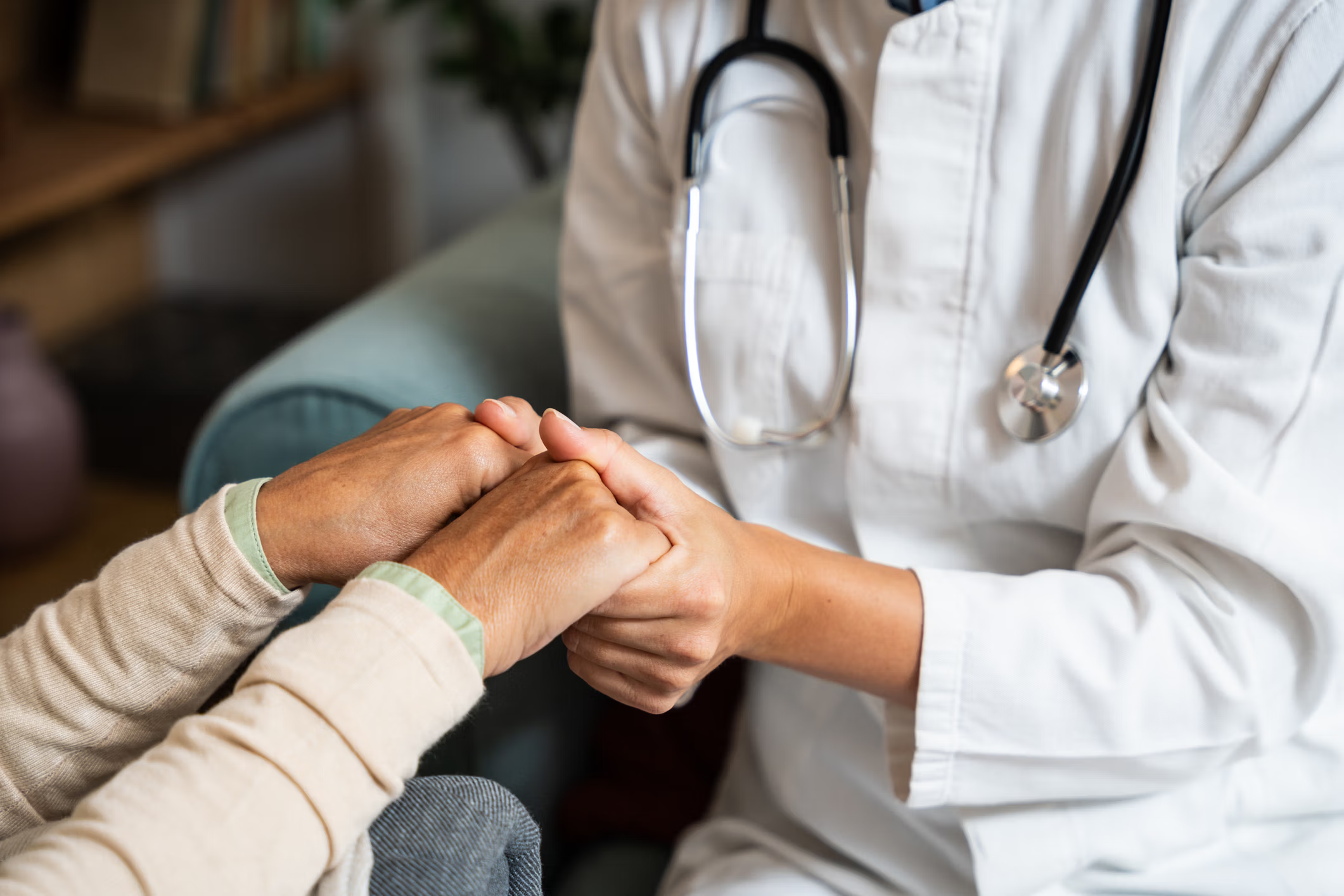
Modern healthcare offers various avenues for receiving medical attention. Between primary care physicians and hospital emergency rooms, another option exists that serves a specific role within the community. Urgent care centers provide a convenient and accessible choice for immediate, non-life-threatening medical needs. Their presence in a community enhances overall health and wellness by providing a reliable resource for medical issues that arise unexpectedly.
What Is Urgent Care?
Urgent care is a category of walk-in medical clinic focused on treating injuries and illnesses that require immediate attention but are not life-threatening. These centers are equipped to handle a broad spectrum of medical problems that do not necessitate a visit to an emergency room. They operate as a distinct point of care, complementing the services provided by both primary care doctors and hospitals.
These facilities are typically staffed by healthcare professionals who are trained to diagnose and treat a wide array of common ailments. The model is built on convenience and efficiency, allowing patients to receive care without an appointment. This accessibility is a key feature, as urgent care centers often operate with extended evening hours. This accommodates patients who cannot see their regular doctor or need care when other offices are closed.
What Does It Treat?
Urgent care centers are prepared to manage a diverse range of medical conditions. They offer diagnostic services, like X-rays and laboratory tests, to help in the prompt assessment of patient concerns. The scope of treatment is broad, addressing minor injuries.
For injuries, these care centers can address sprains, strains, and minor fractures. They are equipped to treat simple cuts that may require stitches and back pain. The ability to perform on-site X-rays means that providers can quickly determine the extent of an injury. This allows them to recommend the appropriate course of action. This may include splinting a broken bone or referring the patient for specialized follow-up care.
What Are the Benefits?
Urgent care centers offer several benefits to the communities they serve. One primary advantage is immediate access to care. Patients can walk in without an appointment and are typically seen much faster than they would be in a hospital emergency department for a non-emergency. This reduces wait times and allows for quicker relief from symptoms.
Another benefit is cost-effectiveness. Treatment at an urgent care facility can generally be less expensive than a visit to an emergency room for the same condition. This makes healthcare more affordable for individuals and can lead to lower costs for the healthcare system as a whole by diverting non-emergency cases away from more resource-intensive hospital settings.
Continuity of care is another positive aspect. Care providers can communicate with a patient’s primary care physician, sharing records of the visit and treatment plan. This collaboration helps maintain a comprehensive health record for the patient and allows for proper follow-up, supporting long-term health management.
Visit Your Local Clinic
Urgent care centers also provide a range of preventative services. Many locations can perform routine physicals for sports, school, or employment. By offering these services on a walk-in basis, they make it easier for community members to maintain their health. This proactive approach to health contributes to a healthier population overall. When a medical need arises that is prompt but not severe, your local care clinic stands ready to provide efficient and professional medical attention.
- What Is the Difference Between an Orthopedist and an Orthopedic Surgeon?
- What Does an Orthopedic Traumatologist Do? Complete Guide
- What Is the Pathology of the Skin? A Complete Guide
- What Is Dermatology Practical and Conceptual? Everything You Need to Know
- How Can I Find Dermatologos Cerca de Mi Ubicación? Complete Guide