
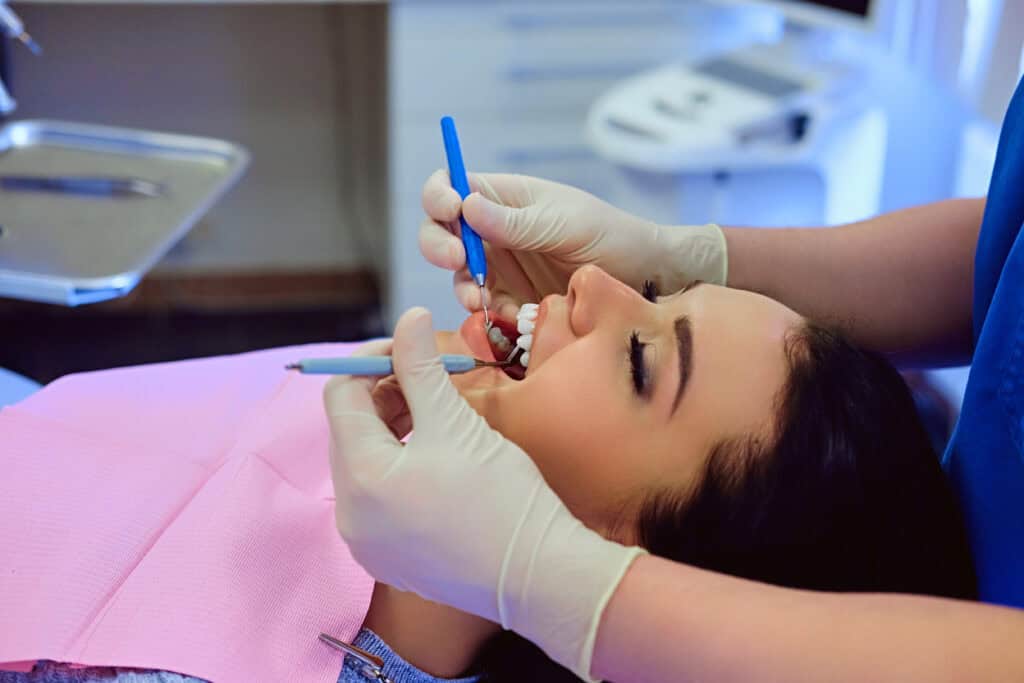
The mouth is the entry point to the digestive and respiratory tracts and is home to many bacteria. Most germs are harmless, and the body’s defenses and good daily care usually keep them under control. Without regular hygiene, however, bacteria can build up and lead to oral infections such as tooth decay and gum disease. This article describes how family dental care and preventive habits can stop serious oral health issues, explores how oral and general health are connected, and highlights the value of routine professional dental care.
Establishing Hygienic Habits
Good daily habits help protect teeth and gums from harmful bacteria. Guidelines for proper brushing include using a soft-bristled brush, holding it at a 45-degree angle to the gum line, and gently brushing all surfaces twice a day for two minutes. Toothbrushes should be replaced every three to four months as recommended. Brushing alone does not remove all debris, so it is recommended to floss daily. Flossing removes plaque between teeth, which a toothbrush cannot reach, thereby significantly reducing the risk of gum disease and tooth loss.
Healthy eating also supports oral care by influencing bacterial growth. Sugar is a primary food source for bacteria that cause cavities; reducing sugary snacks and drinks helps limit decay. Drinking water throughout the day supports the mouth’s own rinsing process, helping clear food particles and sugar from teeth. Combined, these simple habits strongly reduce the likelihood of developing dental problems. Family Dental can help your family learn more good habits during visits.
Understanding the Connection
Dental health and the body’s general health are closely related. Inflammation and harmful bacteria from the mouth are associated with gum disease, or periodontitis, which may contribute to other health issues. For instance, evidence suggests a link between gum disease, heart problems, and even stroke due to the spread of bacteria and inflammation. Germs from the mouth can also travel to the lungs and play a role in respiratory illnesses such as pneumonia.
Some medical conditions can directly affect oral health, deepening this connection. Diabetes, for example, lowers the body’s resistance to infection, increasing the risk of gum disease. Studies also show that gum disease can make controlling blood sugar more difficult, while routine dental care may help improve diabetes control. Other conditions also worsen oral health. Being aware of these connections supports a more proactive role in maintaining both dental and overall health.
Utilizing Family Dental
Regular visits to a dental professional are helpful for oral health. Dentists use special techniques during professional cleanings to remove plaque that daily brushing and flossing miss, especially below the gum line. Most people benefit from these cleanings at least twice a year. These visits allow dental professionals to spot and treat potential problems early, which helps avoid more serious and expensive issues later. Dental checkups also include valuable screenings and practical advice. Dentists check for signs of oral cancer and offer personalized guidance to improve daily routines. Patients should inform their dentist about any medications being taken, as some can reduce saliva production, raising the risk of decay. Continued professional care helps patients adapt their oral hygiene in response to changing health needs.
Find a Dentist
Maintaining oral health depends on a blend of daily habits and regular dental visits. Brushing, flossing, and limiting sugar protect teeth from harmful bacteria, while the ties between oral health and broader medical issues highlight the need for preventive care. Professional checkups and cleanings provide early intervention that cannot be achieved through home care alone. By following these practices, individuals can prevent severe oral health problems and support lasting overall health. Find a dentist in your area for oral health needs.
- What Is the Difference Between an Orthopedist and an Orthopedic Surgeon?
- What Does an Orthopedic Traumatologist Do? Complete Guide
- What Is the Pathology of the Skin? A Complete Guide
- What Is Dermatology Practical and Conceptual? Everything You Need to Know
- How Can I Find Dermatologos Cerca de Mi Ubicación? Complete Guide