
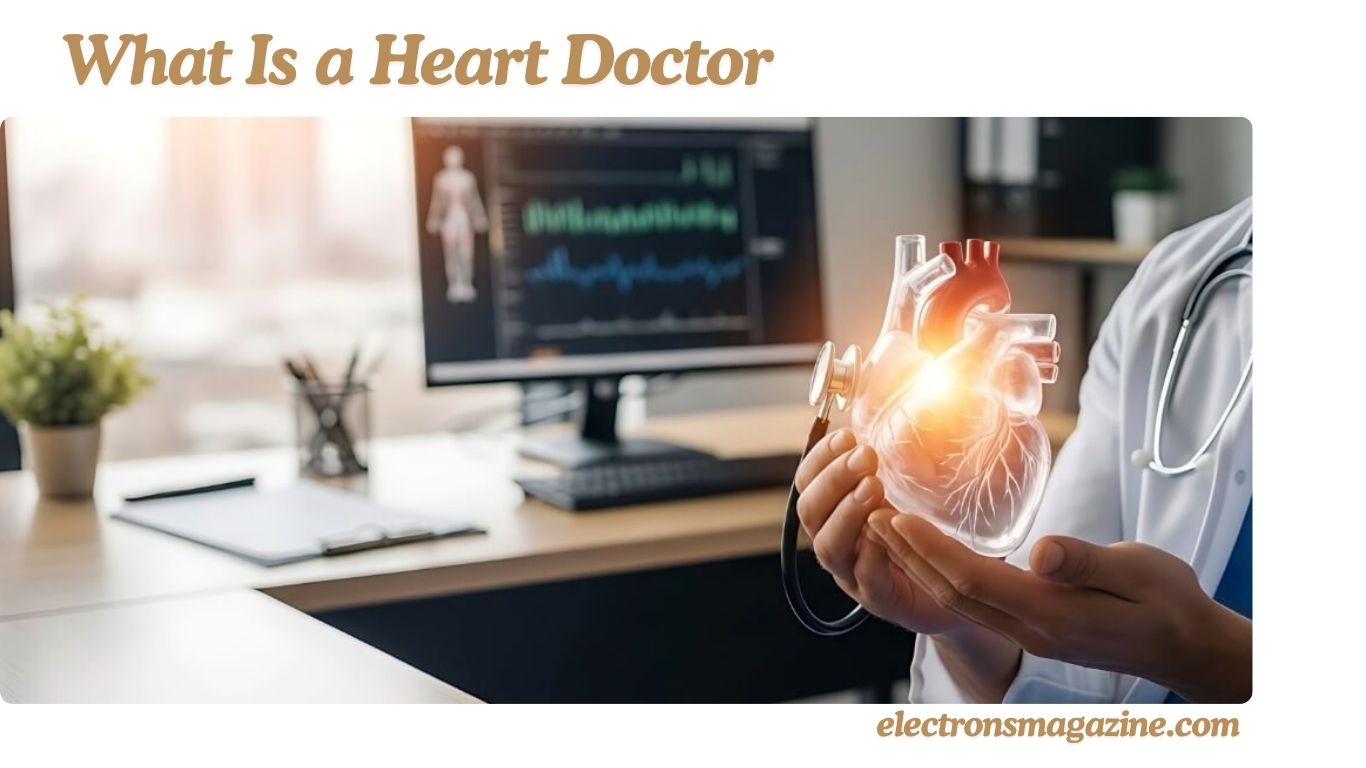
If you have ever wondered, “what is a heart doctor?” the simple answer is that a heart doctor is a medical professional who specializes in the heart and, in many cases, the blood vessels connected to it.
The most common type of heart doctor is called a cardiologist. Cardiologists are specially trained to diagnose, treat, and help prevent diseases affecting the cardiovascular system. They may care for people with chest pain, high blood pressure, heart rhythm problems, heart failure, heart valve disease, coronary artery disease, and many other conditions.
However, “heart doctor” is a general term. Not every heart specialist does the same type of work. Some cardiologists focus on heart rhythms, while others specialize in blocked arteries, heart failure, imaging, preventive care, congenital heart disease, or procedures performed with catheters.
This guide explains what a heart doctor does, when you may need one, what happens during a heart appointment, which tests may be used, and how different heart specialists fit into modern cardiovascular care. It is written for readers in the United States and is intended for general education, not personal medical diagnosis or treatment.
What Is a Heart Doctor?
A heart doctor is a physician who has specialized training in conditions involving the heart and cardiovascular system.
In everyday conversation, the term usually refers to a cardiologist. The American College of Cardiology describes a cardiologist as a doctor with special training in finding, treating, and preventing diseases of the heart and blood vessels.
The heart is part of the cardiovascular system. This system includes the heart, blood, arteries, veins, and other blood vessels. The heart’s main job is to pump blood through the body and lungs.
A cardiologist may help answer questions such as:
- Why am I having chest pain?
- Why is my heart beating irregularly?
- Why am I short of breath?
- Is my blood pressure affecting my heart?
- What caused an abnormal ECG?
- Do I have a heart valve problem?
- What is causing my heart failure?
- Am I at high risk for heart disease?
- Do I need additional heart tests?
- Would medication, lifestyle changes, or a procedure be appropriate?
A heart doctor does not necessarily perform surgery. In fact, cardiologists and heart surgeons have different roles, although they often work together.
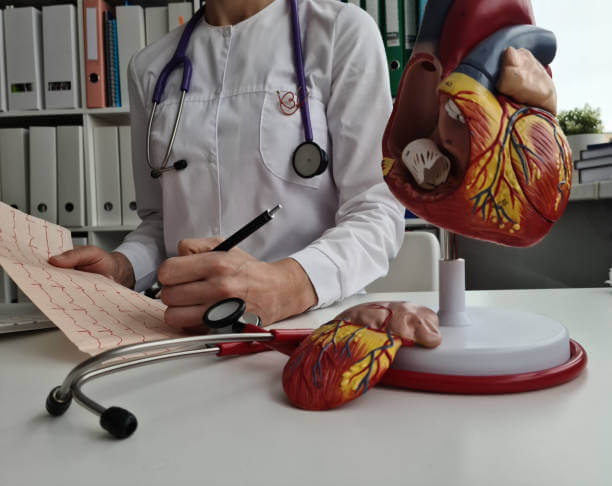
Source: Advanced Heart And Vascular Institute
What Does a Cardiologist Do?
A cardiologist evaluates the patient’s symptoms, medical history, risk factors, physical examination findings, and test results. Based on this information, the cardiologist can help determine whether a heart or blood vessel problem is present and what type of care may be appropriate.
A cardiologist may:
- Review symptoms and medical history
- Perform a cardiovascular examination
- Check blood pressure and other measurements
- Review cholesterol and blood glucose information
- Order heart tests
- Diagnose cardiovascular conditions
- Prescribe or adjust medications
- Recommend lifestyle changes
- Monitor an existing heart condition
- Perform certain catheter-based procedures
- Refer patients to other specialists when needed
- Work with surgeons and other members of a healthcare team
For example, a person with an abnormal heartbeat may need an electrophysiology specialist. Someone with a blocked coronary artery may be evaluated by an interventional cardiologist. A person who needs open-heart surgery may be referred to a cardiac surgeon.
The goal is not simply to identify a disease. Good cardiovascular care also considers risk reduction, long-term monitoring, treatment choices, and the patient’s overall health.
What Conditions Does a Heart Doctor Treat?
Heart doctors can manage many different cardiovascular conditions.
Common examples include coronary artery disease, high blood pressure, heart failure, heart attacks, heart rhythm disorders, heart valve disease, cardiomyopathy, congenital heart conditions, and certain diseases affecting the arteries and blood vessels.
Coronary artery disease
Coronary artery disease occurs when the arteries that supply the heart become narrowed or blocked, often because of plaque buildup.
A cardiologist may evaluate symptoms, assess risk factors, order testing, and recommend appropriate treatment.
High blood pressure
High blood pressure can place additional stress on the cardiovascular system. When it remains uncontrolled for a long time, it can contribute to blood vessel damage and increase cardiovascular risk.
Heart failure
Heart failure does not mean that the heart has completely stopped working. It means the heart is unable to pump blood as effectively as the body needs.
Cardiologists may help determine the cause, assess heart function, prescribe medications, and monitor the condition over time.
Arrhythmias
Arrhythmias are abnormal heart rhythms. They can include rhythms that are too fast, too slow, or irregular.
Some patients with complex rhythm conditions may be referred to a cardiac electrophysiologist, a cardiologist with advanced expertise in the heart’s electrical system.
Heart valve disease
The heart contains valves that help blood move through the chambers in the correct direction. A damaged or narrowed valve can affect blood flow.
A general cardiologist may monitor valve disease, while specialized cardiologists and cardiac surgeons may become involved when a procedure is necessary.
Cardiomyopathy
Cardiomyopathy refers to diseases of the heart muscle. Some forms can affect how strongly the heart pumps or how the heart responds to physical activity.
Specialized cardiology care may be needed depending on the type and severity.
When Should You See a Heart Doctor?
Not everyone needs to see a cardiologist regularly. Many people receive routine cardiovascular care from a primary care doctor.
A primary care provider may refer someone to a cardiologist when symptoms, test results, medical history, or risk factors suggest that specialist evaluation could be useful.
Reasons for a cardiology appointment can include:
- Chest pain or pressure
- Shortness of breath
- Unexplained dizziness
- Heart palpitations
- An abnormal ECG or EKG
- An unusual heart murmur
- High cardiovascular risk
- Known coronary artery disease
- Heart failure
- A previous heart attack
- An irregular heartbeat
- Heart valve problems
- Certain congenital heart conditions
- A strong family history of cardiovascular disease
The need for a cardiologist depends on the individual situation. A symptom does not automatically mean that a person has heart disease.
For example, chest discomfort can have many causes. Some are related to the heart, while others may involve the lungs, muscles, digestive system, or other parts of the body. Because some heart-related causes can be serious, new or concerning chest symptoms should not simply be dismissed.
What Is the Difference Between a Cardiologist and a Primary Care Doctor?
A primary care doctor provides broad medical care. This can include preventive care, routine checkups, vaccinations, common illnesses, chronic conditions, and basic cardiovascular risk management.
A cardiologist has additional specialized training focused on the cardiovascular system.
The two doctors often work together rather than replacing one another.
For example, a primary care doctor may notice that a patient has several cardiovascular risk factors. The doctor may manage blood pressure and cholesterol while deciding whether a cardiology consultation is appropriate.
If a cardiologist identifies a specific heart condition, the cardiologist may provide specialized treatment while the primary care doctor continues managing the patient’s other health needs.
This team-based approach can be particularly helpful for people with multiple medical conditions.
What Types of Heart Doctors Are There?
“Heart doctor” can refer to several types of cardiovascular specialists.
General cardiologist
A general or clinical cardiologist evaluates and manages many common heart conditions. This can include chest pain, coronary artery disease, high blood pressure, heart failure, valve disease, and abnormal heart rhythms.
Interventional cardiologist
An interventional cardiologist uses catheter-based techniques to diagnose and treat certain cardiovascular problems.
Catheters are thin tubes that can be guided through blood vessels. Interventional cardiology can be used for procedures involving blocked arteries and some structural heart conditions.
Electrophysiologist
A cardiac electrophysiologist specializes in the electrical system of the heart and abnormal heart rhythms.
These specialists may evaluate conditions such as atrial fibrillation and other arrhythmias and can perform specialized procedures when appropriate.
Heart failure specialist
Some cardiologists focus on heart failure and advanced heart muscle disorders.
These specialists may help patients with complicated or advanced cases and coordinate treatment with other members of the cardiovascular team.
Preventive cardiologist
Preventive cardiology focuses on reducing the risk of cardiovascular disease before or while it becomes a major problem.
Preventive care may include risk assessment, lifestyle changes, screening, and medications when appropriate.
Pediatric cardiologist
A pediatric cardiologist specializes in heart conditions affecting infants, children, and adolescents.
Children with congenital heart problems may require specialized cardiovascular care that differs from typical adult cardiology.
Adult congenital heart specialist
Some people are born with heart conditions and continue to need specialized care as adults.
The 2025 ACC/AHA guideline emphasizes specialized and coordinated care for adults with moderate or complex congenital heart disease.
Cardiac imaging specialist
Some cardiologists focus on advanced imaging techniques that help doctors understand the heart’s structure and function.
Imaging may include echocardiography, cardiac CT, cardiac MRI, or nuclear imaging.
How Is a Heart Doctor Trained?
Becoming a cardiologist requires many years of education and clinical training.
In the United States, the typical pathway includes medical school followed by residency training in internal medicine and additional specialized cardiology training.
The American College of Cardiology explains that cardiologists receive four years of medical school education, three years of general internal medicine training, and at least three additional years of specialized cardiology training.
Some cardiologists complete even more training in a specific subspecialty.
For example, advanced training may focus on:
- Interventional cardiology
- Electrophysiology
- Heart failure
- Adult congenital heart disease
- Cardiac imaging
- Preventive cardiology
This long training process is important because cardiovascular medicine involves complex anatomy, physiology, diagnostic testing, medications, procedures, and rapidly changing medical evidence.
What Happens During a Cardiology Appointment?
A first visit with a cardiologist often begins with a discussion.
The doctor may ask about:
- Your current symptoms
- When symptoms started
- How often they happen
- What makes them better or worse
- Previous medical conditions
- Previous heart problems
- Current medications
- Family history
- Smoking or tobacco use
- Physical activity
- Diet
- Blood pressure history
- Cholesterol
- Blood sugar or diabetes
The cardiologist may then perform a physical examination.
Depending on the reason for the visit, additional testing may be recommended.
It is useful to bring a current medication list and any relevant medical records or previous test results. Patients can also prepare questions before the appointment.
A useful question might be: “What are you trying to rule out with this test?”
Understanding the reason for a test can make the visit less confusing and help patients participate in decisions about their care.
What Tests Can a Heart Doctor Order?
A cardiologist may use several types of tests depending on the patient’s symptoms and medical history.
Electrocardiogram
An electrocardiogram, commonly called an ECG or EKG, records the heart’s electrical activity.
It can provide information about heart rate, rhythm, and electrical patterns.
Echocardiogram
An echocardiogram uses sound waves to create images of the heart.
It can help doctors evaluate heart chambers, pumping function, valves, and other structural features.
Stress testing
A stress test evaluates how the heart responds to physical activity or another form of controlled stress.
The specific type of stress test depends on the clinical question.
Holter monitor
A Holter monitor is a portable device that records the heart rhythm for an extended period.
It can be useful when symptoms such as palpitations do not occur during a short office ECG.
Event or loop monitor
Longer-term monitoring may be useful when symptoms happen less often.
The exact device and monitoring period depend on the patient’s situation.
Cardiac CT
Cardiac computed tomography can provide detailed images of the heart and blood vessels.
Cardiac MRI
Cardiac magnetic resonance imaging can provide detailed information about heart structure, tissue, and function.
Cardiac catheterization
Cardiac catheterization uses a thin tube inserted into a blood vessel to reach the heart or related blood vessels.
It may be used for diagnosis or treatment, depending on the patient’s condition.
Blood tests
Blood tests may provide information about cholesterol, blood sugar, inflammation, kidney function, or markers associated with heart injury.
For example, troponin is commonly used when doctors are evaluating a possible heart attack.
Not every patient needs every test. Good medical care uses testing based on the patient’s symptoms, history, examination, and clinical question.
How Does a Heart Doctor Treat Heart Problems?
Treatment depends on the condition.
A cardiologist may recommend one or more of the following:
Lifestyle changes
Lifestyle changes can be an important part of cardiovascular care.
Depending on the person’s health, a doctor may discuss:
- Physical activity
- Healthy eating
- Weight management
- Tobacco cessation
- Sleep
- Stress management
- Alcohol use
- Blood pressure control
- Cholesterol management
- Blood sugar management
Lifestyle recommendations should be personalized. A person with an existing heart condition should ask their healthcare professional what types and levels of exercise are appropriate.
Medications
Cardiologists may prescribe medications to manage blood pressure, cholesterol, heart rhythm, blood clots, heart failure, or other cardiovascular problems.
The correct medication depends on the diagnosis and the patient’s overall health.
Patients should not start, stop, or change prescription heart medicines without discussing the decision with their healthcare professional.
Catheter-based procedures
Some cardiovascular conditions can be treated with minimally invasive catheter procedures.
Interventional cardiology uses catheter techniques for certain blocked arteries and other cardiovascular conditions.
Surgery referral
Some heart conditions require surgery.
A cardiologist may work with a cardiothoracic or cardiac surgeon when an operation is the appropriate treatment.
This distinction is important because a cardiologist and cardiac surgeon are not the same type of specialist.
What Is the Difference Between a Cardiologist and a Heart Surgeon?
A cardiologist specializes in diagnosing and managing cardiovascular disease. A cardiac surgeon performs operations to repair or treat certain heart and chest conditions.
For example, cardiac surgeons may perform procedures such as coronary artery bypass surgery or certain heart valve operations.
The two specialists often work together.
A patient might first see a cardiologist because of chest pain or an abnormal test. If testing shows a condition that would benefit from surgery, the cardiologist may refer the patient to a cardiac surgeon.
Some conditions can be treated by catheter-based procedures rather than open surgery. The best option depends on the patient’s specific anatomy, diagnosis, risks, and available treatments.
Heart Doctor vs. Cardiovascular Specialist: Are They the Same?
These terms can overlap, but “heart doctor” is informal.
“Cardiologist” is the more precise medical term for a physician specializing in cardiovascular disease.
“Cardiovascular specialist” can be broader because cardiovascular care involves multiple types of doctors and healthcare professionals.
For example, a cardiovascular team can include:
- Cardiologists
- Electrophysiologists
- Interventional cardiologists
- Cardiac surgeons
- Vascular specialists
- Cardiac imaging specialists
- Cardiac rehabilitation professionals
- Nurses
- Pharmacists
- Dietitians
- Other healthcare professionals
Modern cardiovascular care is often collaborative rather than based on one doctor working alone.
How Can You Find the Right Heart Doctor in the United States?
Finding a cardiologist is not simply about choosing the doctor with the highest online rating.
A better approach is to consider whether the specialist’s training and services match your needs.
Important questions include:
- Does the doctor treat your specific condition?
- Does the doctor have the appropriate specialty training?
- Is the doctor accepting new patients?
- Does the doctor’s office accept your health insurance?
- Is the hospital or medical center in your insurance network?
- Will you need a referral?
- Is the location practical for follow-up visits?
- Can the office provide the tests you may need?
- Do you feel comfortable asking questions?
Insurance rules vary in the United States. Some insurance plans may require a referral before seeing a specialist, while others may not. Checking directly with your insurance company can help prevent unexpected costs.
For complex cardiovascular problems, the appropriate specialist may matter more than simply choosing a general cardiologist.
For example, someone with a complex rhythm disorder may benefit from electrophysiology expertise, while a person with advanced congenital heart disease may need an adult congenital heart disease center.
What Symptoms Should Never Be Ignored?
Some symptoms require urgent medical attention rather than a routine cardiology appointment.
Possible heart attack warning signs include:
- Chest pressure, discomfort, squeezing, fullness, or pain
- Pain or discomfort in one or both arms
- Back, neck, jaw, or stomach discomfort
- Shortness of breath
- Cold sweating
- Nausea
- Lightheadedness
- Unusual tiredness
Symptoms can vary between people. Women may experience symptoms such as shortness of breath, nausea, unusual tiredness, or pain in the back, shoulder, or arm in addition to or instead of typical chest discomfort.
If you think you may be having a heart attack, call 911 immediately. The American Heart Association recommends calling emergency medical services even when you are uncertain because EMS can begin care during transport.
A heart attack and cardiac arrest are also different emergencies.
A heart attack is primarily a circulation problem caused by reduced or blocked blood flow to heart muscle. Cardiac arrest is an electrical problem in which the heart suddenly stops pumping effectively. A heart attack can sometimes lead to cardiac arrest.
If someone suddenly becomes unresponsive and is not breathing normally, call 911, begin CPR, and use an automated external defibrillator if one is available.
How Can You Prepare for a Heart Doctor Appointment?
A little preparation can make a cardiology appointment more useful.
Before the appointment, consider writing down:
- Your main symptoms
- When they began
- How often they occur
- What you were doing when they happened
- Current medications and doses
- Allergies
- Previous diagnoses
- Previous heart tests
- Family history of heart disease
- Questions you want to ask
If you use a smartwatch or another device that records heart rate or rhythm, you can ask your healthcare professional whether the information is useful.
Consumer health devices can provide helpful information in some situations, but they do not replace professional evaluation. A device reading should be interpreted in the context of symptoms, medical history, and appropriate clinical testing.
You can also ask the cardiologist to explain unfamiliar terms. It is reasonable to ask:
“What does this result mean?”
“What are the possible causes?”
“What treatment options do I have?”
“What happens if we monitor the condition instead?”
“Do I need a specialist?”
“Which symptoms mean I should seek emergency care?”
Clear communication is an important part of good healthcare.
How Can You Protect Your Heart Health?
A heart doctor does more than treat established disease. Cardiovascular medicine also includes prevention.
Preventive cardiology focuses on understanding a person’s cardiovascular risk and taking appropriate steps to lower that risk. These steps can include lifestyle changes, screening, and medications when indicated.
Basic heart-health habits can include:
- Staying physically active as appropriate for your health
- Eating a balanced diet
- Avoiding tobacco products
- Managing blood pressure
- Monitoring cholesterol
- Managing diabetes when present
- Maintaining a healthy weight
- Getting appropriate sleep
- Managing stress
- Attending recommended medical appointments
- Taking prescribed medications as directed
Heart health is not based on one number or one habit. Risk can be influenced by age, family history, blood pressure, cholesterol, diabetes, tobacco exposure, physical activity, diet, and other factors.
That is why a personalized risk assessment can be more useful than relying on a single online health claim.
Frequently Asked Questions About What Is a Heart Doctor
1. What is a heart doctor called?
A heart doctor is commonly called a cardiologist. A cardiologist is a physician specially trained to diagnose, treat, and help prevent diseases involving the heart and blood vessels.
Some cardiologists receive additional training in areas such as electrophysiology, interventional cardiology, heart failure, preventive cardiology, or congenital heart disease.
2. Can a heart doctor treat high blood pressure?
Yes. Cardiologists can evaluate and help manage high blood pressure, particularly when blood pressure is difficult to control or when there are concerns about cardiovascular complications. Primary care doctors also commonly manage high blood pressure.
3. Does a heart doctor perform surgery?
A cardiologist generally does not perform traditional open-heart surgery. Some cardiologists perform catheter-based procedures, while cardiac surgeons perform operations such as bypass surgery and certain valve procedures.
Cardiologists and cardiac surgeons often work together when surgery is needed.
4. What should I bring to my first cardiologist appointment?
Bring a list of your medications, information about allergies, relevant medical records, previous test results if available, and a list of your symptoms and questions.
If another doctor referred you, confirm that relevant records have been sent to the cardiology office.
5. Can a cardiologist tell if chest pain is caused by the heart?
A cardiologist can evaluate chest pain using your symptoms, medical history, physical examination, and appropriate testing. However, chest pain can have many causes, and a person should not attempt to diagnose the cause independently.
If chest discomfort may represent a heart attack, call 911 rather than waiting for a routine appointment.
Conclusion
In most cases, a heart doctor is a cardiologist, a physician with specialized training in diseases of the heart and blood vessels. Cardiologists diagnose and manage many conditions, including coronary artery disease, high blood pressure, heart failure, abnormal heart rhythms, heart valve disease, cardiomyopathy, and other cardiovascular problems.
There is not just one type of heart doctor. General cardiologists provide broad cardiovascular care, while specialists such as electrophysiologists, interventional cardiologists, heart failure specialists, preventive cardiologists, and congenital heart specialists focus on particular areas.
A cardiologist may use tests such as an ECG, echocardiogram, stress test, heart monitor, CT, MRI, blood tests, or cardiac catheterization to understand a patient’s condition. Treatment can involve lifestyle changes, medications, monitoring, catheter-based procedures, or referral to a cardiac surgeon when surgery is appropriate.
Most importantly, a cardiologist is part of a larger healthcare team. Primary care doctors, specialists, nurses, surgeons, pharmacists, rehabilitation professionals, and patients can all contribute to better cardiovascular care.
If you experience possible heart attack symptoms such as significant chest discomfort, shortness of breath, or discomfort spreading to the arm, back, neck, jaw, or stomach, do not wait for a routine cardiology appointment. Call 911 immediately.
For everyday heart health, the best approach is to understand your personal risk factors, attend appropriate medical checkups, follow evidence-based recommendations, and discuss concerning symptoms with a qualified healthcare professional.