
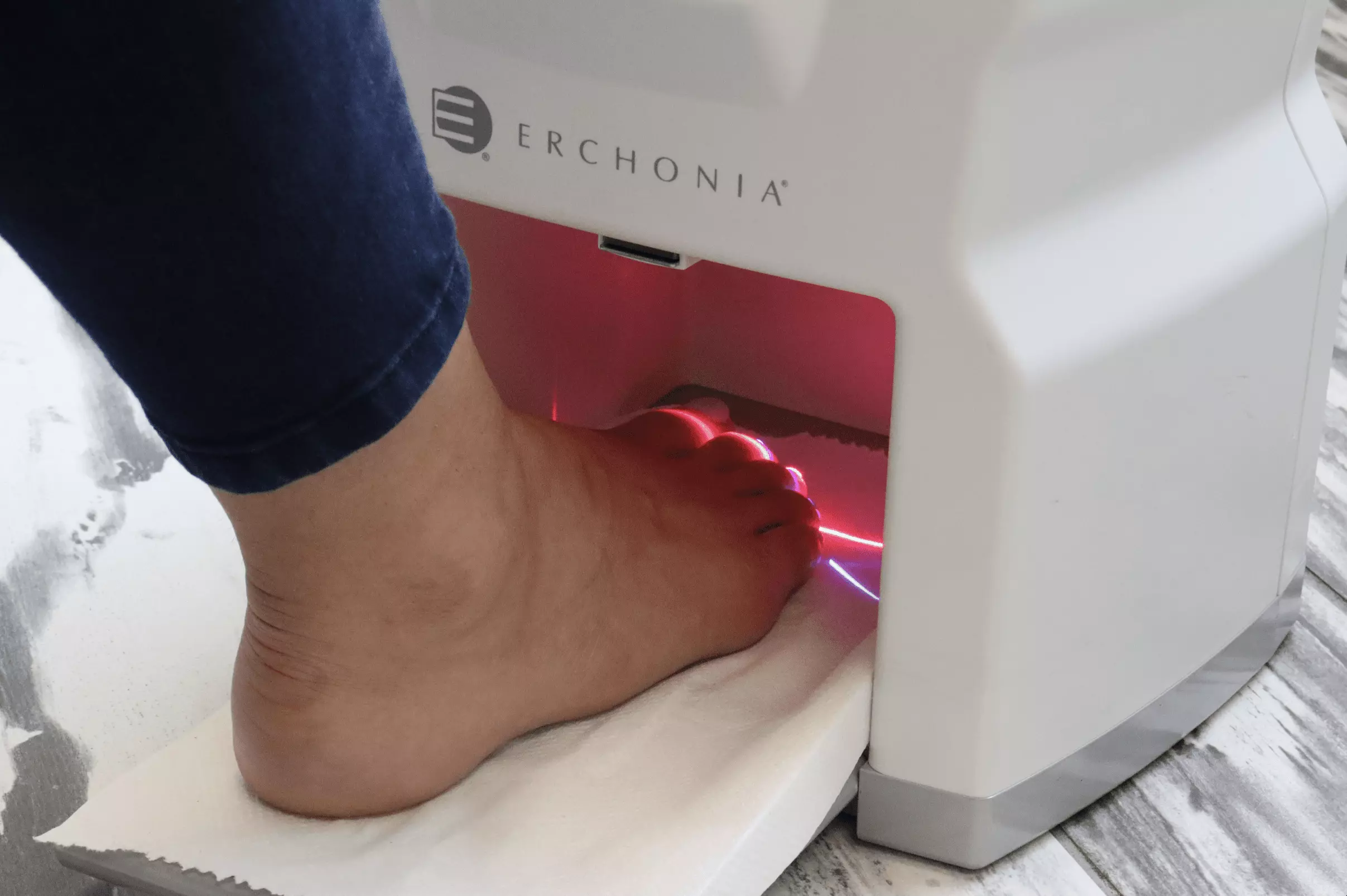
Taking care of your feet is a daily practice. Many products are available to help maintain foot health, from inserts and shoes to specific grooming tools. Understanding these items can help you make informed choices for your personal care routine. A podiatrist can offer guidance on products that align with your specific foot structure and needs.
How Do Orthotic Inserts Help?
Orthotic inserts are designed to be placed inside your shoes to support the structure of your feet. They can help redistribute pressure across the foot during activities like walking or standing. This redistribution can provide stability and support proper foot alignment. Different types of orthotics exist, ranging from over-the-counter options to custom-molded devices.
The materials and design of an orthotic determine its function. Some are rigid to control motion, while others are softer to offer cushioning. A podiatrist may suggest an orthotic to help manage foot mechanics. The right insert depends on your foot type, the shoes you wear, and your daily activities. They work by altering the forces acting on your feet with every step.
What Makes Good Supportive Shoes?
Supportive footwear offers a foundation for foot comfort and function. Professionals often look for specific features when suggesting shoes. These characteristics contribute to a shoe’s ability to support your feet throughout the day.
- Adequate Arch Support: This feature helps maintain your foot’s natural arch, distributing pressure evenly.
- A Firm Heel Counter: The part of the shoe that cups the heel should be rigid to prevent excessive side-to-side motion.
- Sufficient Toe Box Room: Your toes need space to move freely without being cramped, which prevents pressure points.
- A Flexible Sole: The shoe should bend at the ball of the foot, mirroring your foot’s natural movement.
Selecting shoes with these qualities can contribute to overall foot comfort. The right pair will accommodate your foot shape and provide a stable base for movement. When you try on shoes, it is best to do so later in the day, as feet can swell slightly.
What Tools Aid Nail Care?
Proper nail care tools help maintain toenails and prevent common issues. Using the right instruments allows for precise and clean trimming. A podiatrist might recommend specific tools for safe and effective nail maintenance at home.
- Toenail Clippers: Choose clippers that are sharp and have a straight edge to cut nails straight across.
- Nail File or Emery Board: These tools are used to smooth the edges of the nail after trimming, preventing snagging.
- Nail Brush: A small brush can clean under and around the nails, removing debris and buildup.
Regular use of these tools can help keep your toenails in good condition. Keeping your tools clean is also a key part of the routine. Proper technique, like cutting nails straight across, is just as relevant as the tools you use.
Consult a Podiatrist
Understanding your foot health is a step toward overall well-being. A podiatrist is a specialist who diagnoses and treats conditions of the foot, ankle, and related structures of the leg. They can provide personalized advice on footwear, orthotics, and proper care routines tailored to your individual needs. If you have questions about which products are right for you, scheduling a consultation can provide clarity.
- What Is the Difference Between an Orthopedist and an Orthopedic Surgeon?
- What Does an Orthopedic Traumatologist Do? Complete Guide
- What Is the Pathology of the Skin? A Complete Guide
- What Is Dermatology Practical and Conceptual? Everything You Need to Know
- How Can I Find Dermatologos Cerca de Mi Ubicación? Complete Guide