
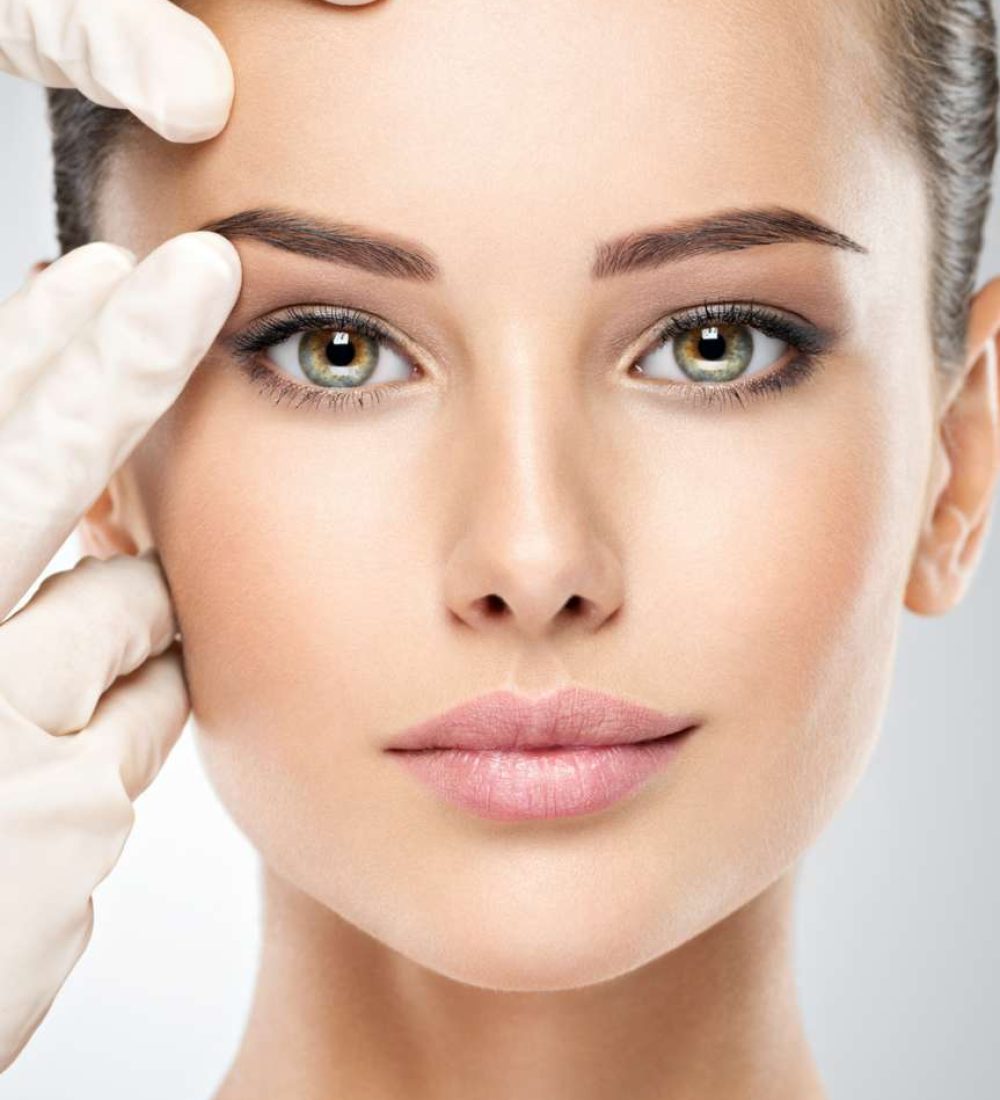
A facelift is a surgical procedure designed to address visible signs of aging in the face and neck. People seek this procedure for various personal reasons, often related to changes in their facial appearance over time. The goal of a modern facelift is typically to produce a refreshed look that aligns with a person’s aesthetic objectives while maintaining a natural appearance.
What Is a Facelift Used For?
A facelift is a surgical procedure that primarily targets the lower face and neck. One common reason individuals pursue this procedure is to address sagging skin. The loss of skin elasticity can lead to a less defined facial contour. A facelift can tighten underlying tissues and help restore a smoother, more youthful contour to the face and jawline.
Another area of focus is the formation of jowls, which occur when fat and skin descend to the lower jaw. This can create a heavy appearance along the jawline. The procedure can reposition the underlying fat and tissue to reduce the appearance of jowls and create a more defined transition from the face to the neck.
Deep creases between the nose and mouth can also be softened during a facelift. While the procedure does not eliminate these lines completely, it can lessen their depth. The techniques used aim to lift and support the facial foundation for a more refreshed appearance.
Who Is It For?
Determining suitability for a facelift extends beyond a person’s age. While many candidates are middle-aged or older, the decision is based more on an individual’s specific facial anatomy, skin condition, and overall health. A suitable candidate is often someone with moderate to significant signs of facial aging, such as skin laxity and volume loss in the mid-to-lower face.
Good general health is a primary factor for any surgical procedure. Individuals should be non-smokers or willing to cease smoking well before and after the operation, as smoking can affect circulation and the body’s ability to heal. A prospective candidate should also be free from medical conditions that could impair healing or increase surgical risks.
What Should You Expect After?
The recovery period following a facelift varies from person to person. The initial downtime allows the body to begin its healing process. During this time, swelling and bruising are common and will gradually subside. Following the surgeon’s post-operative instructions is fundamental to a smooth recovery. Patients are typically advised to keep their head elevated and avoid strenuous activity for a prescribed period. As the initial healing progresses, people may feel comfortable returning to light daily activities. The complete resolution of swelling and the settling of tissues into their final position can take several months.
Seek Professional Plastic Surgery
The most direct way to get personalized information is to schedule a consultation with a plastic surgeon. A qualified professional can assess your unique facial structure, listen to your aesthetic goals, and discuss which techniques might be appropriate for you. This is also the time to ask questions about the recovery process and how to best prepare for your procedure.
- What Is the Difference Between an Orthopedist and an Orthopedic Surgeon?
- What Does an Orthopedic Traumatologist Do? Complete Guide
- What Is the Pathology of the Skin? A Complete Guide
- What Is Dermatology Practical and Conceptual? Everything You Need to Know
- How Can I Find Dermatologos Cerca de Mi Ubicación? Complete Guide