
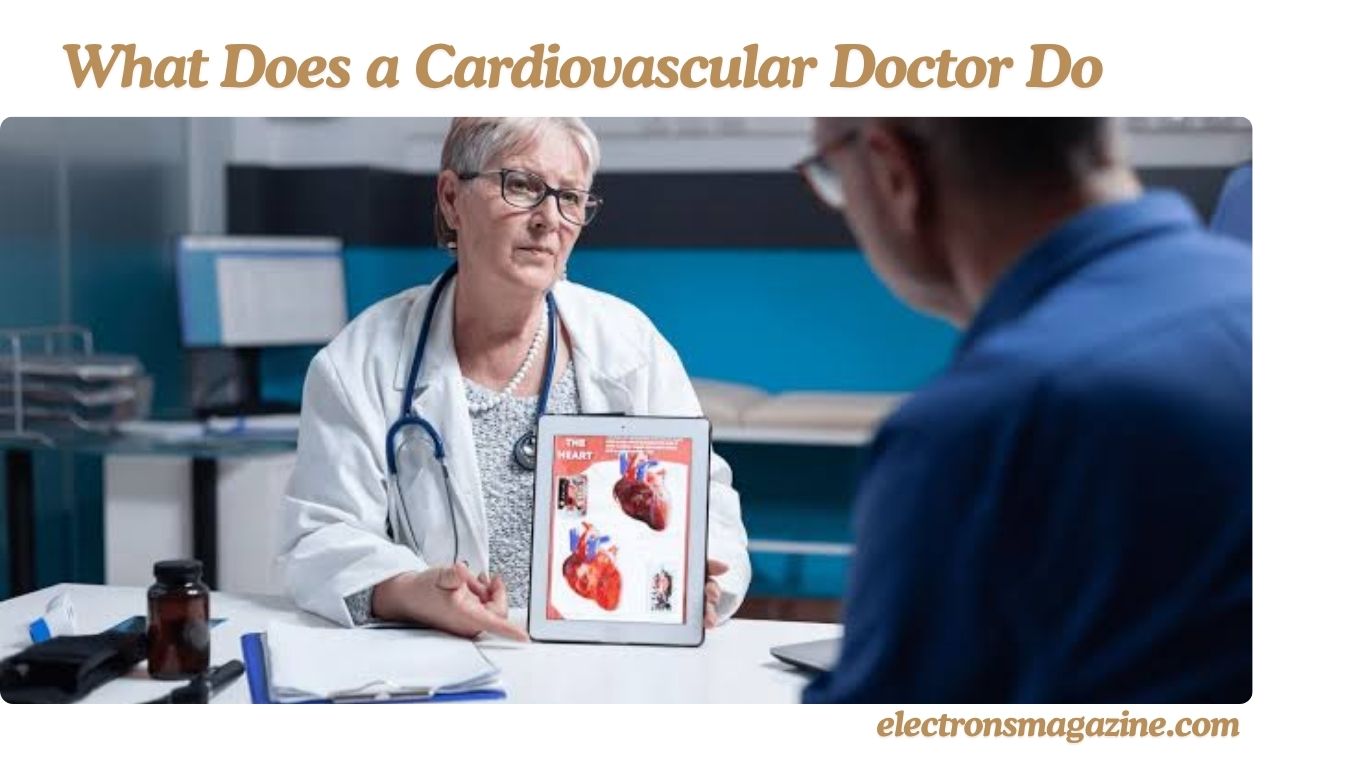
If you have ever wondered, “what does a cardiovascular doctor do?” the simple answer is that a cardiovascular doctor, usually called a cardiologist, diagnoses, treats, and helps prevent diseases affecting the heart and blood vessels.
Cardiologists do much more than treat heart attacks. They evaluate symptoms such as chest discomfort, shortness of breath, dizziness, fainting, and irregular heartbeats. They also manage conditions such as high blood pressure, coronary artery disease, heart failure, abnormal heart rhythms, valve disease, and some forms of congenital heart disease.
A major part of modern cardiology is prevention. A cardiologist may identify cardiovascular risk early, review cholesterol and blood pressure, recommend lifestyle changes, prescribe medications when appropriate, and work with other healthcare professionals to reduce the chance of serious heart problems in the future.
Cardiology is also a broad medical field. Some cardiologists focus on general cardiovascular care, while others specialize in procedures, heart rhythm disorders, advanced heart failure, imaging, or other areas.
This guide explains what cardiovascular doctors do, when you may need one, what happens during an appointment, which tests they use, how treatment works, and how cardiologists fit into the larger U.S. healthcare system.
What Is a Cardiovascular Doctor?
A cardiovascular doctor is a physician who specializes in the heart and circulatory system. In everyday language, this doctor is usually called a cardiologist.
The American College of Cardiology describes cardiology as the medical specialty concerned with the structure, function, prevention, and treatment of disorders involving the heart and vascular system. This includes coronary artery disease, vascular disease, heart rhythm problems, heart failure, and congenital heart conditions.
The term “cardiovascular” is important because the heart does not work alone. Blood vessels carry blood throughout the body, so problems involving arteries and circulation can also be part of cardiovascular medicine.
A cardiologist may therefore care for someone with:
- Chest pain
- Coronary artery disease
- High blood pressure
- High cholesterol
- Heart failure
- Abnormal heart rhythms
- Heart valve disease
- Heart muscle disease
- Peripheral vascular disease
- Certain congenital heart conditions
- Palpitations
- Fainting related to possible cardiovascular causes
- Shortness of breath suspected to be heart-related
Not every person with these symptoms necessarily has heart disease. One important job of the cardiologist is to determine whether the heart or blood vessels are actually responsible for the problem.
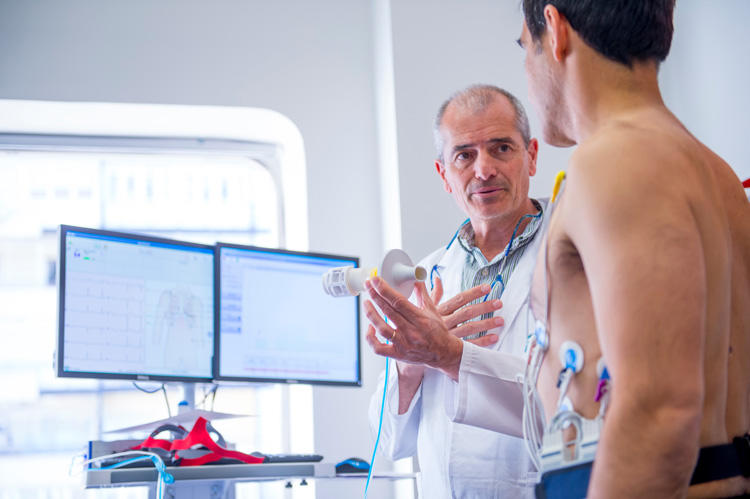
Source: American University of the Caribbean
What Does a Cardiovascular Doctor Do?
The answer to “what does a cardiovascular doctor do” can be divided into several major responsibilities: evaluating patients, diagnosing cardiovascular conditions, treating existing disease, preventing future problems, monitoring long-term health, and coordinating care.
A cardiologist first tries to understand what is happening inside the patient’s cardiovascular system.
This usually begins with a medical history and physical examination. The doctor may ask about symptoms, medications, previous medical conditions, family history, smoking, physical activity, diet, blood pressure, cholesterol, diabetes, and other factors that can affect cardiovascular health.
The cardiologist may then order specific tests based on the patient’s symptoms and risk level.
If a cardiovascular condition is found, treatment depends on the diagnosis. Treatment may include lifestyle changes, medications, monitoring, procedures, or referral to another specialist.
The role does not end after the diagnosis. Many cardiovascular conditions require long-term follow-up. A cardiologist may repeatedly review symptoms, blood pressure, cholesterol, heart function, medications, and test results.
Modern cardiology also emphasizes teamwork. Cardiovascular care can involve primary care doctors, nurses, pharmacists, dietitians, exercise professionals, surgeons, and other specialists. The ACC specifically identifies consultation, acute cardiac care, chronic disease management, appropriate cardiovascular testing, prevention, risk-factor control, and team-based care as important cardiovascular competencies.
Which Heart Conditions Do Cardiologists Treat?
Cardiologists treat a wide range of cardiovascular conditions. Some are common, while others require highly specialized care.
Coronary Artery Disease
Coronary artery disease develops when the arteries supplying blood to the heart become narrowed or blocked, often because of plaque buildup.
A cardiologist may evaluate symptoms such as chest pressure or discomfort, especially when they occur during physical activity. Depending on the situation, the doctor may recommend medications, lifestyle changes, imaging, or procedures.
Coronary artery disease can be chronic and manageable for many patients, but it can also lead to serious events such as a heart attack.
High Blood Pressure
High blood pressure, or hypertension, is one of the most important cardiovascular risk factors.
It often does not cause noticeable symptoms, which is why regular blood pressure measurement matters. The CDC identifies high blood pressure, high cholesterol, and smoking as major risk factors for heart disease.
A cardiologist may help determine whether blood pressure is adequately controlled and whether medication or additional evaluation is appropriate.
High Cholesterol
High cholesterol can contribute to plaque formation inside arteries.
Also Read:What Do Cardiologists Treat? A Complete Guide to Heart and Cardiovascular Care
A cardiologist may review a patient’s lipid profile and overall cardiovascular risk rather than looking at one cholesterol number in isolation.
Lifestyle changes can be important, but some people also need cholesterol-lowering medication. The American Heart Association notes that lifestyle measures do not always lower cholesterol enough and that medication may be needed for some patients.
Heart Failure
Heart failure occurs when the heart cannot pump or fill with blood effectively enough to meet the body’s needs.
Symptoms may include shortness of breath, tiredness, and swelling. Treatment can involve several types of medications, lifestyle measures, monitoring, devices, and specialized care depending on the type and severity of heart failure.
Advanced heart failure may require evaluation by a specialist in advanced heart failure and transplant cardiology.
Abnormal Heart Rhythms
Arrhythmias are problems with the heart’s rhythm.
Some are harmless, while others can increase the risk of complications.
Patients may notice:
- Racing heartbeat
- Fluttering
- Skipped beats
- Slow heartbeat
- Dizziness
- Fainting
- Weakness
Cardiologists can investigate these symptoms using tests such as an electrocardiogram and ambulatory heart monitoring. Patients with more complex rhythm disorders may be referred to a cardiac electrophysiologist.
Heart Valve Disease
The heart contains valves that help blood move in the correct direction.
A valve can become narrowed or fail to close properly. These problems can affect how efficiently the heart works.
Cardiologists may monitor valve disease through physical examinations and imaging, particularly echocardiography. More serious cases may require specialized procedures or surgical evaluation.
Heart Muscle Disease
Cardiomyopathies affect the heart muscle itself.
Some forms are inherited, while others may be associated with infections, medications, metabolic conditions, pregnancy, or other causes.
Because some cardiomyopathies can run in families, a cardiologist may consider family history and recommend additional evaluation when appropriate.
Congenital Heart Conditions
Congenital heart disease refers to heart abnormalities that are present from birth.
Some people have relatively simple conditions, while others require lifelong specialist care.
Adults with complex congenital heart disease may benefit from care from a cardiologist who has specific training in adult congenital heart disease.
How Does a Cardiologist Diagnose Heart Problems?
Diagnosis is one of the most important parts of cardiovascular medicine.
A cardiologist does not automatically order every possible heart test. Instead, the goal is to select tests that answer a specific clinical question.
The process often starts with the patient’s story.
For example, chest discomfort during exercise may lead the physician to consider coronary disease. Repeated episodes of a racing heartbeat may raise concern about an arrhythmia. Shortness of breath and leg swelling may prompt an evaluation for heart failure.
The doctor combines symptoms, medical history, physical examination, risk factors, and test results.
This approach is important because the same symptom can have many possible causes.
For example, shortness of breath can result from cardiovascular disease, lung disease, anemia, physical deconditioning, medication effects, or other conditions. A cardiologist’s job is not simply to find something abnormal but to determine whether that finding explains the patient’s symptoms.
What Tests Does a Cardiovascular Doctor Use?
Cardiologists have access to many diagnostic tools. The appropriate test depends on the patient’s situation.
Electrocardiogram
An electrocardiogram, commonly called an ECG or EKG, records the electrical activity of the heart.
It can provide information about heart rhythm and other electrical patterns.
An ECG is often one of the first tests used when a patient has symptoms such as chest discomfort, palpitations, dizziness, or fainting.
Echocardiogram
An echocardiogram uses ultrasound to create images of the heart.
It can help doctors evaluate heart chambers, valves, pumping function, and blood flow.
An echocardiogram is particularly useful when a doctor suspects heart failure, valve disease, structural heart problems, or other abnormalities.
Stress Testing
A stress test evaluates how the cardiovascular system responds to increased physical demand.
Depending on the patient’s condition, exercise may be performed on a treadmill or stationary bicycle. In some situations, medication is used to increase the workload on the heart when a patient cannot exercise adequately.
Additional imaging may be combined with stress testing when clinically appropriate.
Holter and Ambulatory Heart Monitoring
Some rhythm problems come and go.
A short ECG may look normal even when a patient experiences intermittent palpitations.
Ambulatory monitors can record the heart’s rhythm over a longer period, making them useful for identifying intermittent arrhythmias.
Cardiac Imaging
Cardiologists may use several imaging technologies to examine the heart and blood vessels.
Depending on the clinical question, these can include:
- Echocardiography
- Cardiac CT
- Cardiac MRI
- Nuclear cardiac imaging
The purpose is not simply to produce pictures. Imaging helps answer specific questions about anatomy, blood flow, heart muscle, valves, or other cardiovascular structures.
Cardiac Catheterization
Cardiac catheterization is an invasive procedure that allows doctors to examine certain aspects of cardiovascular function and anatomy.
During coronary angiography, contrast material can be used to visualize coronary arteries.
Cardiac catheterization may also be part of treatment, particularly in interventional cardiology.
The exact procedure and risks depend on the patient’s condition and the type of catheter-based evaluation or treatment being performed.
Does a Cardiologist Treat Heart Attacks?
Yes, cardiologists can be involved in the treatment of heart attacks, particularly in hospital settings.
A heart attack is an emergency caused by reduced or blocked blood flow to part of the heart muscle.
Depending on the type of heart attack and the patient’s condition, treatment can include medications and urgent procedures to restore blood flow.
Interventional cardiologists have specialized training in catheter-based cardiovascular procedures. According to ABIM requirements, interventional cardiology requires additional fellowship training after cardiovascular disease training.
If someone has possible heart attack symptoms, they should not wait for a routine cardiology appointment. Emergency medical care is appropriate.
Do Cardiologists Help Prevent Heart Disease?
Yes. Prevention is a major part of modern cardiology.
This is one of the most important points when explaining what a cardiovascular doctor does.
A cardiologist may care for a patient who has never had a heart attack or major cardiovascular event but has several risk factors.
For example, a person may have:
- High blood pressure
- High LDL cholesterol
- Diabetes
- A strong family history
- Smoking exposure
- Excess body weight
- Low physical activity
The cardiologist can assess the overall picture and determine which risks deserve attention.
The CDC states that healthy lifestyle choices and management of medical conditions can help lower the risk of heart disease.
Prevention is not simply about telling someone to “eat better.” Good preventive cardiology considers the patient’s circumstances, preferences, medical conditions, medications, family history, and ability to make sustainable changes.
How Cardiologists Help With Lifestyle Changes
Lifestyle counseling is an important part of cardiovascular prevention.
A cardiologist may discuss physical activity, nutrition, tobacco use, sleep, weight management, blood pressure, cholesterol, and blood glucose.
The American Heart Association’s Life’s Essential 8 framework includes diet, physical activity, nicotine exposure, sleep, body weight, blood lipids, blood glucose, and blood pressure as major components of cardiovascular health.
The goal should be realistic rather than extreme.
For example, someone who rarely exercises may benefit more from gradually increasing activity than from being told to begin an unrealistic workout routine.
Likewise, heart-healthy eating does not have to mean following a complicated diet.
Updated AHA dietary guidance emphasizes vegetables and fruits, whole grains, healthy protein sources, unsaturated fats instead of saturated fats, minimally processed foods, less added sugar, and lower sodium intake.
This practical approach can make cardiovascular prevention easier to maintain over time.
What Medications Can Cardiologists Prescribe?
Cardiologists may prescribe different medications depending on the patient’s condition.
Examples include medications used to manage:
- Blood pressure
- Cholesterol
- Abnormal heart rhythms
- Heart failure
- Blood clots
- Coronary artery disease
The specific medication depends on the diagnosis, age, kidney function, other medical conditions, current medications, possible side effects, and overall cardiovascular risk.
For example, a cholesterol-lowering medication may be appropriate for someone at sufficiently high cardiovascular risk, while another person with similar cholesterol numbers may not have the same treatment plan.
This is why patients should not start, stop, or change cardiovascular medication without discussing it with their healthcare professional.
What Happens During a Cardiology Appointment?
A first cardiology appointment usually begins with a conversation.
The doctor may ask:
- What symptoms are you experiencing?
- When did they begin?
- How often do they occur?
- What makes them better or worse?
- Do they happen during exercise?
- Do you have chest discomfort?
- Have you experienced dizziness or fainting?
- Do you have shortness of breath?
- What medications do you take?
- Do you have high blood pressure or cholesterol?
- Do you have diabetes?
- Does heart disease run in your family?
- Do you smoke or use nicotine?
- What is your usual level of physical activity?
The cardiologist may then perform a physical examination.
Depending on the situation, the doctor may order an ECG, blood tests, imaging, or another cardiovascular test.
Importantly, not every patient needs extensive testing.
Good medical care involves matching the evaluation to the patient’s symptoms and risk.
Why Would a Primary Care Doctor Refer Someone to a Cardiologist?
Primary care doctors manage many cardiovascular risk factors and conditions.
Also Read:What Does a Heart Doctor Do? Guide to Heart Health and Care
A referral may be appropriate when symptoms or test results suggest that specialized cardiovascular evaluation would be useful.
For example, a primary care doctor may refer someone because of:
- Persistent chest symptoms
- Abnormal ECG results
- Unexplained palpitations
- Fainting
- Difficult-to-control blood pressure
- Significant cholesterol problems
- Suspected heart failure
- Heart murmur
- Known coronary artery disease
- Family history suggesting increased cardiovascular risk
A referral does not necessarily mean that a serious heart problem has been found.
Sometimes the purpose is simply to rule out a cardiovascular cause or obtain a specialist opinion.
Cardiologist vs. Primary Care Doctor
The two doctors have different but overlapping roles.
A primary care doctor often provides broad medical care, including preventive care and management of common conditions such as high blood pressure, diabetes, and high cholesterol.
A cardiologist has specialized training focused on cardiovascular disease.
In many cases, the best approach is not to choose one doctor over the other. Instead, the two professionals work together.
For example, a primary care doctor may identify elevated cardiovascular risk and refer the patient to a cardiologist. The cardiologist may provide specialized testing and recommendations, while the primary care doctor continues managing other aspects of the patient’s health.
This team-based approach can make care more coordinated.
Cardiologist vs. Cardiovascular Surgeon
A cardiologist and a cardiovascular surgeon are not the same type of specialist.
A cardiologist generally diagnoses and medically manages cardiovascular disease and may perform certain catheter-based procedures depending on their subspecialty.
A cardiovascular or cardiothoracic surgeon performs operations involving the heart, chest, and related structures.
For example, some patients with severe coronary artery disease may eventually require coronary artery bypass surgery. A cardiologist and cardiac surgeon may work together to determine the best treatment approach.
Interventional cardiologists, meanwhile, perform minimally invasive catheter-based procedures rather than traditional open-heart surgery.
Understanding this difference can help patients know why they may see several specialists during cardiovascular treatment.
What Are the Different Types of Cardiologists?
Cardiology contains several subspecialties.
General Cardiologist
A general cardiologist evaluates and treats many common cardiovascular conditions.
This may include coronary disease, hypertension, valve problems, heart failure, and rhythm disorders.
Interventional Cardiologist
An interventional cardiologist specializes in catheter-based procedures.
These physicians may treat certain blocked coronary arteries and perform other minimally invasive cardiovascular procedures.
Electrophysiologist
A cardiac electrophysiologist focuses on electrical problems of the heart.
These specialists diagnose and treat arrhythmias and may perform procedures such as catheter ablation or implant devices such as pacemakers and implantable cardioverter-defibrillators when appropriate.
Heart Failure Specialist
Advanced heart failure cardiologists care for patients with complex or severe heart failure.
Some patients may need specialized evaluation for advanced therapies or heart transplantation.
ABIM recognizes advanced heart failure and transplant cardiology as an additional cardiovascular subspecialty.
Adult Congenital Heart Disease Specialist
Some adults have complex heart conditions that began at birth.
Adult congenital heart disease specialists have additional training to care for these patients.
Preventive Cardiologist
Preventive cardiology focuses heavily on reducing cardiovascular risk before serious events occur.
This may involve cholesterol management, blood pressure control, lifestyle counseling, risk assessment, and other preventive strategies.
How Long Does It Take to Become a Cardiologist?
Becoming a cardiologist requires extensive medical education and clinical training.
In the United States, cardiovascular disease is a subspecialty of internal medicine.
ABIM states that physicians seeking certification in cardiovascular disease must already be certified in internal medicine, complete required fellowship training, demonstrate clinical competence and procedural skills, hold an appropriate medical license, and pass the cardiovascular disease certification examination.
The standard cardiovascular disease fellowship pathway includes 36 months of training, with specified clinical and procedural requirements.
Some cardiologists then complete additional training in areas such as interventional cardiology, electrophysiology, adult congenital heart disease, or advanced heart failure and transplant cardiology.
This extensive training is one reason cardiologists are equipped to manage complicated cardiovascular problems.
What Does a Cardiovascular Doctor Do for Prevention?
Preventive cardiovascular care can begin before a person develops obvious heart disease.
A cardiologist may review the patient’s complete cardiovascular risk profile rather than focusing on one isolated measurement.
Important areas include:
- Blood pressure
- Cholesterol
- Blood glucose
- Smoking or nicotine exposure
- Physical activity
- Nutrition
- Weight
- Sleep
- Family history
- Age
- Existing medical conditions
Some risk factors cannot be changed, such as age and family history. However, many others can be addressed.
The CDC identifies high blood pressure, high cholesterol, smoking, diabetes, obesity, physical inactivity, unhealthy diet, and excessive alcohol use among factors associated with cardiovascular risk.
The practical lesson is important: cardiovascular prevention is not about achieving perfect health. It is about identifying meaningful risks and reducing them over time.
When Should You See a Cardiologist?
There is no single rule that says everyone needs to see a cardiologist at a particular age.
Many people can receive routine cardiovascular prevention through primary care.
A cardiologist may become particularly useful when symptoms, medical history, risk factors, or test results suggest a need for specialized care.
You may be referred if you have unexplained chest discomfort, abnormal heart rhythms, fainting, persistent shortness of breath, a heart murmur, known heart disease, difficult-to-control cardiovascular risk factors, or an abnormal cardiac test.
People with a strong family history of certain cardiovascular diseases may also benefit from discussing whether specialized evaluation is appropriate.
The important point is that a cardiology referral does not automatically mean that you have serious heart disease.
What Symptoms Should Never Be Ignored?
Some cardiovascular symptoms require urgent attention.
Chest pressure or discomfort, especially when associated with shortness of breath, sweating, nausea, weakness, or pain spreading to the arm, back, neck, jaw, or shoulder, can be a warning sign of a heart attack.
Sudden severe shortness of breath, fainting, or other serious symptoms may also require emergency evaluation.
Do not wait for a routine cardiology appointment if you believe you may be having a heart attack or another cardiovascular emergency. Call 911 in the United States.
It is safer to have emergency symptoms evaluated promptly than to assume they are harmless.
How Cardiologists Work With Other Healthcare Professionals
Cardiovascular medicine is increasingly team-based.
A patient with heart disease may interact with a cardiologist, primary care physician, nurse, pharmacist, dietitian, cardiac rehabilitation professional, surgeon, and other specialists.
For example, a patient recovering from a heart attack may need medication management from a cardiologist, general preventive care from a primary care physician, nutritional support, and cardiac rehabilitation.
The cardiologist’s role is therefore often broader than simply interpreting tests.
They help connect information from different parts of the patient’s healthcare.
This is especially important for patients with multiple chronic conditions.
What Is Cardiac Rehabilitation?
Cardiac rehabilitation is a structured program designed to help certain patients recover after cardiovascular events or procedures and improve their long-term cardiovascular health.
It may include supervised physical activity, education, nutrition guidance, risk-factor management, and support for healthy lifestyle changes.
The goal is not simply to make someone exercise.
A good cardiac rehabilitation program helps patients understand how to safely become more active while addressing cardiovascular risk factors.
For eligible patients, cardiac rehabilitation can become an important part of recovery and long-term prevention.
How Can You Prepare for a Cardiologist Appointment?
A little preparation can make the appointment more useful.
Bring a current list of medications, including doses if possible.
Also bring information about:
- Previous heart tests
- Recent laboratory results
- Previous hospitalizations
- Current symptoms
- Family history
- Blood pressure readings if you monitor them at home
- Questions about your diagnosis or treatment
Write down when symptoms occur.
Also Read:What Is a Heart Doctor? Complete Guide to Cardiologists
For example, saying “I sometimes have chest discomfort” is useful, but explaining that it happens after walking for 10 minutes and improves after resting provides more clinical information.
You can also ask:
- What could be causing my symptoms?
- Which tests do I need?
- What do my results mean?
- What is my cardiovascular risk?
- What lifestyle changes would help me most?
- Do I need medication?
- What side effects should I watch for?
- When should I return?
- Which symptoms require emergency care?
Good communication can improve the quality of a medical visit.
Frequently Asked Questions About What Does a Cardiovascular Doctor Do?
Can a cardiologist treat high blood pressure?
Yes. Cardiologists can evaluate and treat high blood pressure, particularly when it is difficult to control, associated with cardiovascular disease, or accompanied by other concerns. Primary care doctors also commonly manage high blood pressure.
Do cardiologists treat cholesterol problems?
Yes. Cardiologists may evaluate cholesterol levels as part of cardiovascular risk assessment and recommend lifestyle changes or cholesterol-lowering medication when appropriate. The treatment decision depends on the patient’s overall risk rather than cholesterol alone.
Can a cardiologist diagnose anxiety-related chest pain?
A cardiologist can evaluate chest pain and determine whether there are signs suggesting a cardiovascular cause. If the evaluation does not indicate a heart problem, the doctor may recommend follow-up with a primary care or mental health professional when appropriate. Chest pain should not automatically be assumed to be anxiety without proper evaluation.
Do cardiologists perform surgery?
Most cardiologists are not surgeons. Some cardiologists, particularly interventional cardiologists, perform minimally invasive catheter-based procedures. Open-heart operations are performed by cardiothoracic surgeons.
Can a cardiologist help someone who has no heart disease?
Yes. Prevention is an important part of cardiology. A cardiologist may evaluate cardiovascular risk and provide guidance about cholesterol, blood pressure, physical activity, nutrition, tobacco exposure, and other factors that influence long-term heart health. The American Heart Association emphasizes lifestyle and risk-factor management as central components of cardiovascular prevention.
Conclusion
So, what does a cardiovascular doctor do?
A cardiovascular doctor, usually called a cardiologist, specializes in preventing, diagnosing, and treating conditions involving the heart and blood vessels. Their work can range from evaluating chest pain and abnormal heart rhythms to managing coronary artery disease, high blood pressure, high cholesterol, heart failure, valve disease, and other cardiovascular conditions.
Cardiologists also play an important role in prevention. They can help patients understand cardiovascular risk, improve lifestyle habits, manage blood pressure and cholesterol, use medications when appropriate, and monitor existing heart conditions over time.
Modern cardiology is not limited to treating emergencies. It increasingly focuses on early detection, personalized risk assessment, evidence-based treatment, minimally invasive procedures, and coordinated care.
For patients, one of the most useful lessons is that cardiovascular health is a long-term process. Healthy eating, regular physical activity, avoiding tobacco, adequate sleep, and proper management of blood pressure, cholesterol, and blood sugar can all contribute to better cardiovascular health. Current U.S. public-health and cardiology guidance continues to emphasize these areas.
If you have concerning cardiovascular symptoms or have been referred to a cardiologist, the purpose of the visit is not necessarily to confirm that something is seriously wrong. Often, it is to understand what is happening, identify or rule out important problems, and create a sensible plan for protecting your heart in the years ahead.