
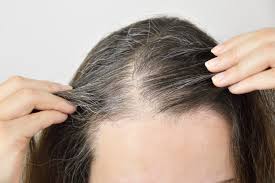
Hair loss affects many individuals, and the gradual thinning or sudden shedding of hair can be concerning for both men and women. Scientific advancements have led to more effective and varied treatment options. Here are some reasons why hair loss treatments are more effective than ever:
Regenerative Therapy Availability
Regenerative therapies for hair loss treatment use your body’s own biological materials to support hair growth. Procedures like Platelet-Rich Plasma (PRP) therapy involve drawing a small amount of your blood, processing it to concentrate the platelets, and then injecting this solution into the scalp. The goal is to stimulate dormant hair follicles and encourage new growth. The concentrated platelets release growth factors that may help repair damaged follicles and improve blood flow to the area.
ACell therapy utilizes natural materials to aid in tissue healing and growth, and can be combined with PRP to further enhance results. When it is applied to the scalp, the therapy activates the body’s natural ability to repair damaged tissue. This may help rejuvenate hair follicles and promote new growth.
Hair Transplant Options
Hair transplantation techniques have also seen substantial refinement. These methods are designed to provide lasting solutions by moving healthy hair follicles to where they are needed. Transplant options include:
- Follicular Unit Transplantation: The FUT method involves removing a small strip of tissue from the donor area. Individual follicular units are separated from this tissue and prepared for transplantation. This technique may leave a linear scar, but it allows a large number of grafts to be transplanted in a single session.
- Follicular Unit Extraction: In an FUE procedure, individual hair follicles are taken directly from a donor area on your scalp and then implanted into the balding or thinning areas. This leaves minimal scarring and creates a natural-looking hairline.
Some clinics also offer body hair transplants, which can be a solution for individuals with insufficient donor hair on their scalp. This technique uses hair follicles from other parts of the body, such as the chest, beard, or legs. Body hair follicles differ in texture, growth patterns, and cycles compared to scalp hair, so they are typically used to complement scalp grafts rather than as the sole donor source. This option can be beneficial for patients with advanced hair loss or when previous transplants have depleted traditional donor areas.
Medication Improvements
Pharmaceutical treatments for hair loss have also improved. Medications like minoxidil remain a foundational treatment for managing hair loss. It is a topical solution or foam, available over-the-counter, that you can apply directly to the scalp. It is designed to increase blood flow to the hair follicles and prolong the growth phase of the hair cycle. Some specialists also offer customized products, such as hair oils, shampoos, and conditioners. These are formulated to support scalp and hair health, which may influence growth over time.
Work With a Hair Loss Specialist
The field of hair restoration has evolved, offering a wider range of effective solutions than before. From regenerative therapies that use your body’s own healing abilities to advanced surgical techniques and proven medications, there are many paths to explore. These treatments can be tailored to fit your specific pattern of hair loss and personal goals. A specialist can assess your situation, explain the available options, and help you create a personalized treatment plan. If you are ready to explore what modern hair restoration has to offer, schedule a consultation with a specialist today.
- What Is the Difference Between an Orthopedist and an Orthopedic Surgeon?
- What Does an Orthopedic Traumatologist Do? Complete Guide
- What Is the Pathology of the Skin? A Complete Guide
- What Is Dermatology Practical and Conceptual? Everything You Need to Know
- How Can I Find Dermatologos Cerca de Mi Ubicación? Complete Guide