
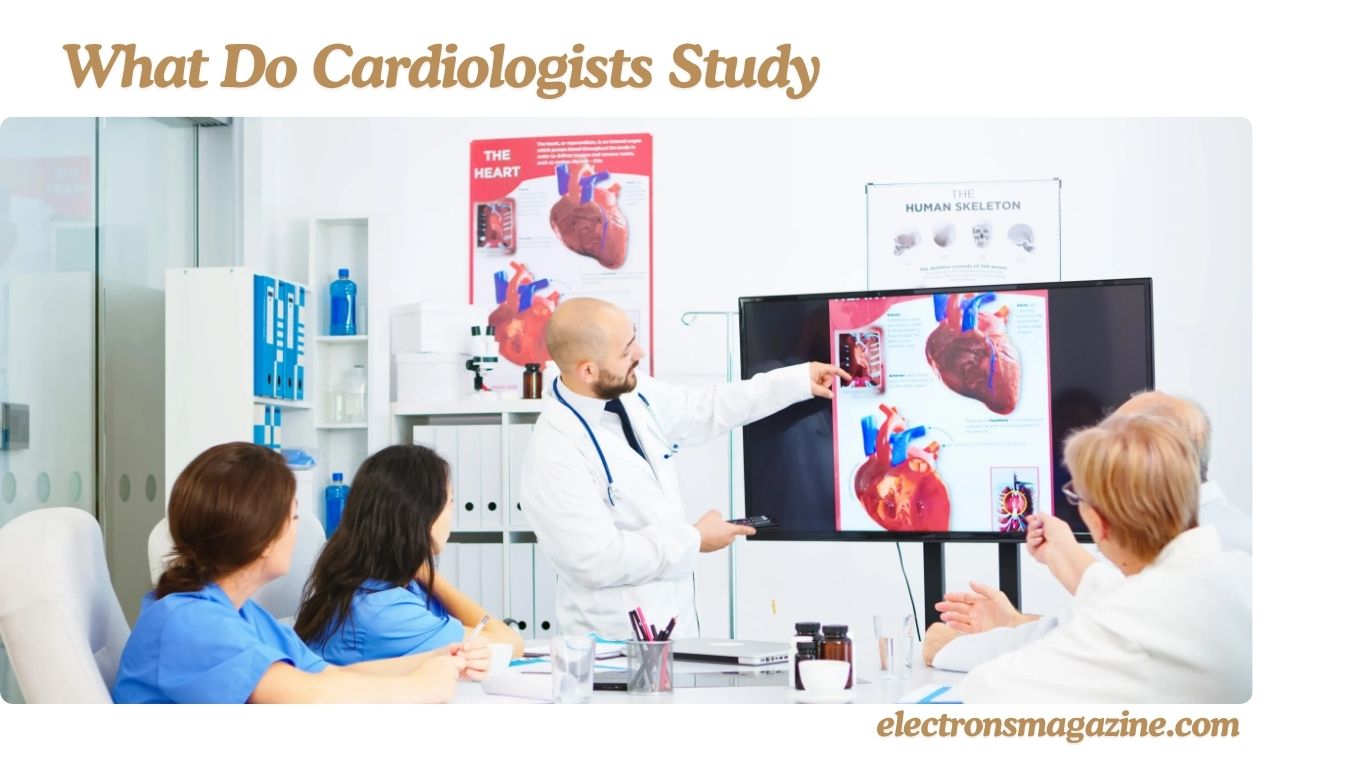
Cardiology is the branch of medicine that focuses on the heart and blood vessels. Cardiologists study how the cardiovascular system works, what can cause it to become unhealthy, how heart and blood vessel diseases are diagnosed, and how these conditions can be treated or prevented.
If you are wondering, “What do cardiologists study?” the short answer is that they study the heart, blood vessels, circulation, cardiovascular diseases, diagnostic tests, medications, procedures, and ways to reduce the risk of heart problems.
Becoming a cardiologist requires many years of education and clinical training. A physician first learns broad areas of medicine before receiving specialized training in cardiology. During this process, doctors study subjects such as anatomy, physiology, pharmacology, pathology, medical imaging, heart rhythm disorders, coronary artery disease, heart failure, valve disease, and many other cardiovascular conditions.
Cardiology is also a rapidly changing field. Modern cardiologists may use advanced imaging, catheter-based procedures, wearable monitoring, genetic information, and other technologies to understand and manage cardiovascular disease.
This guide explains what cardiologists study, how they are trained, what subjects are covered during cardiology education, and how their knowledge is used in patient care in the United States.
What Do Cardiologists Study?
Cardiologists study the cardiovascular system, which includes the heart and the network of blood vessels that carries blood throughout the body.
Their studies generally cover several major areas:
- Heart anatomy and structure
- Heart function and physiology
- Blood vessels and circulation
- Blood pressure
- Heart electrical activity and rhythm
- Coronary artery disease
- Heart failure
- Heart valve disorders
- Congenital heart conditions
- Cardiomyopathies
- Vascular diseases
- Cardiovascular risk factors
- Diagnostic testing
- Cardiovascular medications
- Interventional procedures
- Disease prevention
- Long-term cardiovascular care
A cardiologist does not simply study the heart as an isolated organ. The cardiovascular system interacts closely with the lungs, kidneys, brain, blood, hormones, metabolism, and other body systems.
For this reason, cardiology requires a strong understanding of the entire human body.
Cardiologists also study how factors such as high blood pressure, high cholesterol, diabetes, smoking, obesity, physical inactivity, age, family history, and other factors can affect cardiovascular health.
Source: Apollo 247
What Subjects Do Cardiologists Study in Medical School?
Before becoming cardiologists, physicians attend medical school and study a broad range of medical subjects.
Medical school education usually includes foundational sciences followed by clinical education. The exact curriculum varies among U.S. medical schools, but students commonly study subjects such as anatomy, physiology, biochemistry, microbiology, pathology, pharmacology, immunology, genetics, and neuroscience.
Students also learn how to evaluate patients and recognize diseases.
For future cardiologists, some particularly important subjects include anatomy and physiology because these provide the foundation for understanding how the heart and circulation work.
For example, a medical student needs to understand the chambers of the heart, the heart valves, coronary arteries, electrical conduction system, and major blood vessels.
Students also learn how blood moves through the heart and how the heart responds to changes in oxygen demand, blood pressure, exercise, and other conditions.
Clinical rotations then allow students to apply this knowledge to real patients under supervision.
During clinical training, students may encounter people with chest pain, high blood pressure, abnormal heart rhythms, heart failure, heart attacks, heart valve problems, and other cardiovascular conditions.
What Do Cardiologists Study About the Heart?
One of the most important areas cardiologists study is the structure and function of the heart.
The human heart is a muscular organ that pumps blood throughout the body. It contains four chambers: two atria and two ventricles.
The right side of the heart receives blood returning from the body and sends it toward the lungs. The left side receives oxygen-rich blood from the lungs and pumps it to the rest of the body.
Cardiologists study how these chambers work together and how problems in one part of the heart can affect the entire cardiovascular system.
They also study the four major heart valves:
- Tricuspid valve
- Pulmonary valve
- Mitral valve
- Aortic valve
These valves help control the direction of blood flow.
Also Read:What Is a Heart Doctor Called? A Complete Guide to Cardiologists and Heart Care
A cardiologist must understand what happens when a valve becomes narrowed, which is called stenosis, or when it does not close properly, which can cause regurgitation.
Cardiologists also study the heart muscle, coronary arteries, pericardium, electrical conduction system, and other structures.
This detailed knowledge helps them identify whether symptoms are caused by a cardiovascular problem and determine which tests or treatments may be appropriate.
What Do Cardiologists Study About the Cardiovascular System?
Cardiologists study more than the heart itself. They also study blood vessels and circulation.
Arteries carry blood away from the heart, while veins return blood toward the heart. Smaller vessels, including arterioles and capillaries, help deliver oxygen and nutrients to tissues.
A problem in the blood vessels can affect many organs.
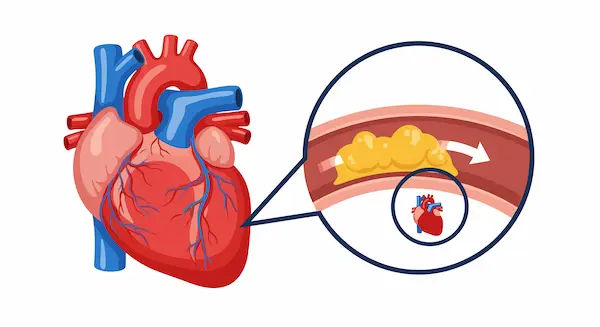
For example, plaque buildup in arteries can reduce blood flow and contribute to coronary artery disease. Similar processes can affect arteries supplying the brain or legs.
Cardiologists therefore study vascular health, blood pressure, blood flow, inflammation, cholesterol, blood clotting, and other factors that can influence circulation.
They also learn how cardiovascular disease can affect organs throughout the body.
This is one reason cardiology overlaps with other medical specialties.
What Do Cardiologists Study About Heart Disease?
Cardiologists study many different types of heart disease.
Some of the major conditions include:
- Coronary artery disease
- Heart attack
- Heart failure
- Arrhythmias
- Atrial fibrillation
- Heart valve disease
- Cardiomyopathy
- Congenital heart disease
- Pericardial disease
- Pulmonary hypertension
- Aortic disease
- Peripheral artery disease
Each condition can have different causes, symptoms, risks, and treatment options.
For example, coronary artery disease can develop when plaque builds up inside the coronary arteries. Cardiologists study how this process develops, how it affects blood flow, and how it can be diagnosed and managed.
They also study heart attacks, including how blocked blood flow can damage heart muscle and why rapid treatment matters.
What Do Cardiologists Study About Heart Rhythm?
The electrical system of the heart is another major area of cardiology.
A healthy heart normally follows an organized electrical pattern that causes the heart chambers to contract in the proper sequence.
Cardiologists study how electrical signals begin and travel through the heart.
They also study arrhythmias, which are abnormal heart rhythms.
These can include:
- Atrial fibrillation
- Atrial flutter
- Supraventricular tachycardia
- Ventricular tachycardia
- Bradycardia
- Certain conduction disorders
Cardiologists learn how these conditions are identified using tests such as an electrocardiogram, commonly called an ECG or EKG.
Some cardiologists receive additional training in electrophysiology, a subspecialty focused on the heart’s electrical system and rhythm disorders.
What Do Cardiologists Study About Blood Pressure?
Blood pressure is another important subject in cardiology.
Cardiologists study how the heart pumps blood and how blood vessels respond to that pressure.
They learn about hypertension, or high blood pressure, as well as factors that can contribute to abnormal blood pressure.
These may include genetics, diet, kidney disease, medications, obesity, sleep disorders, stress, and other health factors.
Cardiologists also study how uncontrolled high blood pressure can contribute to cardiovascular complications.
These can include heart disease, stroke, kidney problems, and damage to blood vessels.
Understanding blood pressure is therefore an important part of cardiovascular medicine.
What Do Cardiologists Study About Heart Failure?
Heart failure is another major area of cardiology education.
Heart failure does not mean that the heart has completely stopped working. It means the heart cannot pump or fill with blood adequately enough to meet the body’s needs.
Cardiologists study the different types and causes of heart failure.
For example, some patients have reduced pumping strength, while others have problems with how the heart relaxes and fills.
Doctors study conditions that can contribute to heart failure, including coronary artery disease, high blood pressure, valve disease, cardiomyopathy, and certain rhythm disorders.
They also study medications, lifestyle approaches, devices, procedures, and advanced therapies that may be used in appropriate patients.
Because heart failure is often a long-term condition, cardiologists also study ongoing monitoring and disease management.
What Do Cardiologists Study About Heart Valves?
Heart valve disease is another important subject.
Cardiologists study how healthy valves open and close and how valve abnormalities change blood flow.
Common valve problems include:
- Aortic stenosis
- Aortic regurgitation
- Mitral stenosis
- Mitral regurgitation
- Tricuspid valve disease
Echocardiography is particularly important for evaluating heart valves.
Cardiologists learn how to interpret echocardiogram findings and determine whether a valve problem is mild, moderate, or severe.
Some patients can be monitored over time, while others may eventually need a procedure or surgery.
Cardiologists may work closely with cardiac surgeons and other specialists when valve intervention is being considered.
What Do Cardiologists Study About Cardiovascular Risk Factors?
Cardiologists also study why cardiovascular disease develops and how its risk can be reduced.
Important risk factors include:
- High blood pressure
- High LDL cholesterol
- Diabetes
- Smoking
- Obesity
- Physical inactivity
- Unhealthy dietary patterns
- Family history
- Increasing age
- Certain chronic conditions
Some risk factors cannot be changed. Age and family history are examples.
Others can often be modified through medical treatment and lifestyle changes.
Cardiologists learn how to evaluate a person’s overall cardiovascular risk rather than looking at one factor in isolation.
This approach is important because heart disease usually develops through multiple interacting factors rather than a single cause.
What Diagnostic Tests Do Cardiologists Study?
Cardiologists receive extensive education in cardiovascular diagnostic testing.
Different tests provide different types of information.
Common cardiovascular tests include:
Electrocardiogram
An electrocardiogram records the heart’s electrical activity.
It can provide information about heart rhythm and may show certain patterns associated with heart damage or other cardiac conditions.
Echocardiogram
An echocardiogram uses ultrasound to create images of the heart.
It can show heart structure, pumping function, valves, and blood flow.
Stress Testing
Stress tests evaluate how the cardiovascular system responds to exercise or other forms of increased workload.
Depending on the test, doctors may monitor the ECG, heart rate, blood pressure, and imaging findings.
Holter and Ambulatory Monitoring
These devices can record heart rhythms over an extended period.
They may help identify intermittent rhythm abnormalities that are not present during a short office ECG.
Cardiac CT and MRI
Cardiac imaging can provide detailed information about heart structures, blood vessels, and tissue.
Cardiologists may work with radiologists and other specialists when interpreting advanced cardiovascular imaging.
Cardiac Catheterization
Cardiac catheterization allows doctors to evaluate certain aspects of the heart and blood vessels using a thin tube called a catheter.
It can also be part of interventional procedures.
Learning how to choose and interpret these tests is an important part of cardiology training.
What Medications Do Cardiologists Study?
Cardiologists study medications used to prevent and treat cardiovascular disease.
The appropriate medication depends on the patient’s condition, medical history, other medications, kidney function, age, and many other factors.
Examples of medication categories studied in cardiology include:
- Blood pressure medicines
- Cholesterol-lowering medicines
- Antiplatelet medicines
- Anticoagulants
- Diuretics
- Certain medicines for heart rhythm disorders
- Medicines used in heart failure
- Medicines used to treat angina
Cardiologists also study how these medicines work, potential side effects, drug interactions, appropriate dosing, and monitoring.
Medication decisions are individualized. A medicine that is useful for one patient may not be appropriate for another.
Do Cardiologists Study Heart Procedures?
Yes. Cardiologists study a range of procedures and treatments.
Also Read:What Does a Cardiovascular Doctor Do? Complete Guide to Cardiology Care
The type of procedure a cardiologist performs depends on their specialty and training.
General cardiologists primarily diagnose and manage cardiovascular conditions. Some receive additional training in interventional cardiology, electrophysiology, advanced heart failure, imaging, or other areas.
Interventional cardiologists may perform catheter-based procedures.
These can include procedures used to open blocked coronary arteries or treat certain structural heart problems.
Electrophysiologists focus on heart rhythm disorders and may perform procedures such as catheter ablation and implantation or management of certain cardiac devices.
Cardiologists also understand when a patient may need cardiac surgery and coordinate care with cardiovascular surgeons when appropriate.
How Many Years Does It Take to Study Cardiology?
Becoming a cardiologist in the United States takes many years.
A typical pathway includes:
- Undergraduate education
- Medical school
- Internal medicine residency
- Cardiovascular disease fellowship
- Additional fellowship training for some subspecialties
After completing an undergraduate degree, a student generally attends medical school for about four years.
Medical school is followed by internal medicine residency, which commonly lasts three years.
A cardiovascular disease fellowship typically takes another three years.
Therefore, after college, a physician commonly spends about ten years in medical school, internal medicine residency, and general cardiology fellowship.
Some cardiologists continue with additional subspecialty training.
For example, advanced training in interventional cardiology or cardiac electrophysiology adds further years.
The exact training pathway can vary based on the specialty and program.
What Do Cardiology Fellows Study?
Cardiology fellowship is where physicians receive intensive specialized education in cardiovascular medicine.
Fellows study cardiovascular diseases while caring for patients under supervision.
Their education can include:
- Coronary artery disease
- Acute coronary syndromes
- Heart failure
- Arrhythmias
- Heart valve disease
- Cardiomyopathies
- Congenital heart disease
- Hypertension
- Pulmonary hypertension
- Pericardial disease
- Vascular disease
- Preventive cardiology
- Cardiovascular imaging
- Critical care
- Cardiac procedures
They also learn how to interpret cardiovascular tests and make evidence-based clinical decisions.
Training often includes inpatient care, outpatient clinics, emergency cardiovascular care, imaging, catheterization laboratory experiences, and other clinical settings.
This combination of scientific education and hands-on training is essential.
What Is the Difference Between a Cardiologist and a Cardiac Surgeon?
A cardiologist and a cardiac surgeon both care for people with cardiovascular conditions, but their training and roles are different.
A cardiologist is a physician specializing in diagnosing and medically managing diseases of the heart and cardiovascular system.
Some cardiologists also perform catheter-based procedures.
A cardiac surgeon, sometimes called a cardiothoracic or cardiovascular surgeon depending on training and practice, is trained to perform surgery involving the heart and related structures.
For example, coronary artery bypass surgery is performed by cardiac surgeons.
The two specialties often work together.
A patient with severe coronary artery disease may be evaluated by a cardiologist and, when appropriate, referred to a cardiac surgeon for surgical treatment.
The best approach depends on the patient’s specific condition.
What Are the Main Cardiology Subspecialties?
Cardiology includes several areas of advanced training.
Interventional Cardiology
Interventional cardiologists use catheter-based techniques to diagnose and treat certain cardiovascular problems.
They commonly work with coronary artery disease and other structural or vascular conditions.
Cardiac Electrophysiology
Electrophysiologists specialize in abnormal heart rhythms and the electrical system of the heart.
They may treat conditions such as atrial fibrillation and other arrhythmias.
Advanced Heart Failure and Transplant Cardiology
These specialists care for patients with complex or advanced heart failure.
Some patients may require specialized therapies, mechanical circulatory support, or evaluation for heart transplantation.
Preventive Cardiology
Preventive cardiology focuses heavily on reducing cardiovascular risk.
Doctors in this area may concentrate on cholesterol, blood pressure, lifestyle factors, diabetes, obesity, smoking cessation, and other risk factors.
Cardiovascular Imaging
Some cardiologists develop advanced expertise in echocardiography, cardiac CT, cardiac MRI, nuclear cardiology, or other imaging methods.
Adult Congenital Heart Disease
These specialists care for adults who were born with heart defects.
Some congenital heart conditions require lifelong cardiovascular follow-up.
How Do Cardiologists Keep Studying After Training?
Cardiology does not stop being a learning profession after fellowship.
Medical knowledge changes as researchers conduct clinical trials, discover new therapies, improve diagnostic technology, and develop better approaches to prevention.
Cardiologists therefore continue professional education throughout their careers.
They may study:
- New clinical guidelines
- New medications
- New medical devices
- New diagnostic techniques
- Clinical research
- Updated treatment recommendations
- Emerging cardiovascular technologies
Continuing medical education helps physicians keep their knowledge current.
This is particularly important in cardiology because treatments and technologies can change significantly over time.
Why Is Cardiology Such a Broad Field of Study?
The cardiovascular system is connected to nearly every part of the body.
The heart supplies oxygen and nutrients through blood circulation. When cardiovascular function changes, other organs can be affected.
For example, cardiovascular disease can influence the brain, kidneys, lungs, and muscles.
Cardiologists also need to understand metabolic conditions such as diabetes and lipid disorders because they can affect cardiovascular risk.
This interconnected nature makes cardiology both challenging and broad.
It also explains why cardiologists frequently collaborate with primary care physicians, endocrinologists, nephrologists, neurologists, pulmonologists, surgeons, pharmacists, dietitians, and other healthcare professionals.
What Do Cardiologists Study in Research?
Cardiology research covers a very large range of topics.
Researchers study why cardiovascular disease develops, how it can be detected earlier, and how treatments can be improved.
Research may examine:
- Heart disease prevention
- Genetics
- Cholesterol
- Blood pressure
- Inflammation
- Heart failure
- Arrhythmias
- Cardiovascular imaging
- Medical devices
- Catheter-based treatments
- Artificial intelligence
- Wearable health technology
- Regenerative medicine
- Cardiovascular outcomes
Clinical trials are particularly important because they help researchers determine whether new treatments are safe and effective.
Cardiologists may participate in research directly or use research findings to guide patient care.
This is an important part of evidence-based medicine.
Also Read:What Do Cardiologists Treat? A Complete Guide to Heart and Cardiovascular Care
When Should Someone See a Cardiologist?
A primary care clinician may recommend a cardiologist when there are symptoms, test results, risk factors, or known cardiovascular conditions that require specialized evaluation.
Reasons for referral can include:
- Chest pain
- Shortness of breath
- Fainting
- Palpitations
- Abnormal ECG results
- Heart murmurs
- High cardiovascular risk
- Known coronary artery disease
- Heart failure
- Abnormal heart rhythm
- Heart valve disease
- Certain congenital heart conditions
Not every symptom means a person has heart disease.
However, some symptoms can represent an emergency.
For example, sudden severe chest pressure, difficulty breathing, fainting, or other concerning symptoms may require immediate emergency medical evaluation rather than waiting for a routine cardiology appointment.
Frequently Asked Questions About What Cardiologists Study
1. Do cardiologists study the whole body or only the heart?
Cardiologists specialize in the cardiovascular system, but they must understand the whole body. The heart and blood vessels interact with organs such as the kidneys, lungs, brain, and endocrine system, so cardiologists study how other health conditions can affect cardiovascular health.
2. Do cardiologists study nutrition and exercise?
Yes. Cardiologists learn about lifestyle factors that influence cardiovascular risk, including diet, physical activity, body weight, smoking, and other behaviors. However, recommendations are individualized based on a person’s health and medical circumstances.
3. Do cardiologists study genetics?
Yes. Genetics is relevant to several cardiovascular conditions. Some forms of cardiomyopathy, inherited rhythm disorders, congenital heart disease, and cholesterol disorders can have genetic components. Cardiologists may work with genetic specialists when inherited cardiovascular disease is suspected.
4. Do cardiologists study children’s heart problems?
General adult cardiologists usually focus on adults. Children’s heart conditions are generally handled by pediatric cardiologists, who receive specialized training in cardiovascular problems affecting infants, children, and adolescents.
5. Can cardiologists perform surgery?
Most cardiologists are not cardiac surgeons. Cardiologists may perform certain catheter-based procedures depending on their subspecialty and training, while cardiac surgeons perform open and other surgical procedures involving the heart and chest. These specialists often work together when a patient needs complex cardiovascular care.
Conclusion
So, what do cardiologists study?
Cardiologists study the heart, blood vessels, circulation, cardiovascular diseases, diagnostic tests, medications, procedures, and methods for preventing heart problems. Their education begins with broad medical training and continues through specialized cardiology fellowship and, for some physicians, additional subspecialty training.
They study conditions such as coronary artery disease, heart failure, arrhythmias, valve disease, cardiomyopathy, hypertension, and congenital heart conditions. They also learn how to interpret ECGs, echocardiograms, stress tests, cardiac imaging, and other cardiovascular evaluations.
Modern cardiology goes beyond treating established disease. Cardiologists also study prevention, risk assessment, new technologies, clinical research, genetics, and long-term cardiovascular health.
For patients, understanding what cardiologists study can make it easier to understand their role in healthcare. A cardiologist’s training is designed to help diagnose cardiovascular problems, guide treatment, reduce future risk, and coordinate care when specialized procedures or other medical expertise are needed.
Because cardiovascular medicine continues to evolve, cardiologists remain lifelong learners. New research, medications, diagnostic tools, procedures, and technologies continue to shape how heart disease is prevented, detected, and treated in the United States.